
turtle dock floating platforms sound simple until you watch your turtle hesitate at the ramp, slip on the surface, or abandon basking because the dock wobbles. If your setup feels “almost right,” it usually comes down to a few practical details: stability, traction, and a climb angle your turtle actually likes.
This matters more than people think because basking is not just “sun time.” It supports thermoregulation and shell health, and a dock that’s annoying to use often becomes a dock your turtle avoids. The good news is that most issues are fixable without replacing the whole habitat.
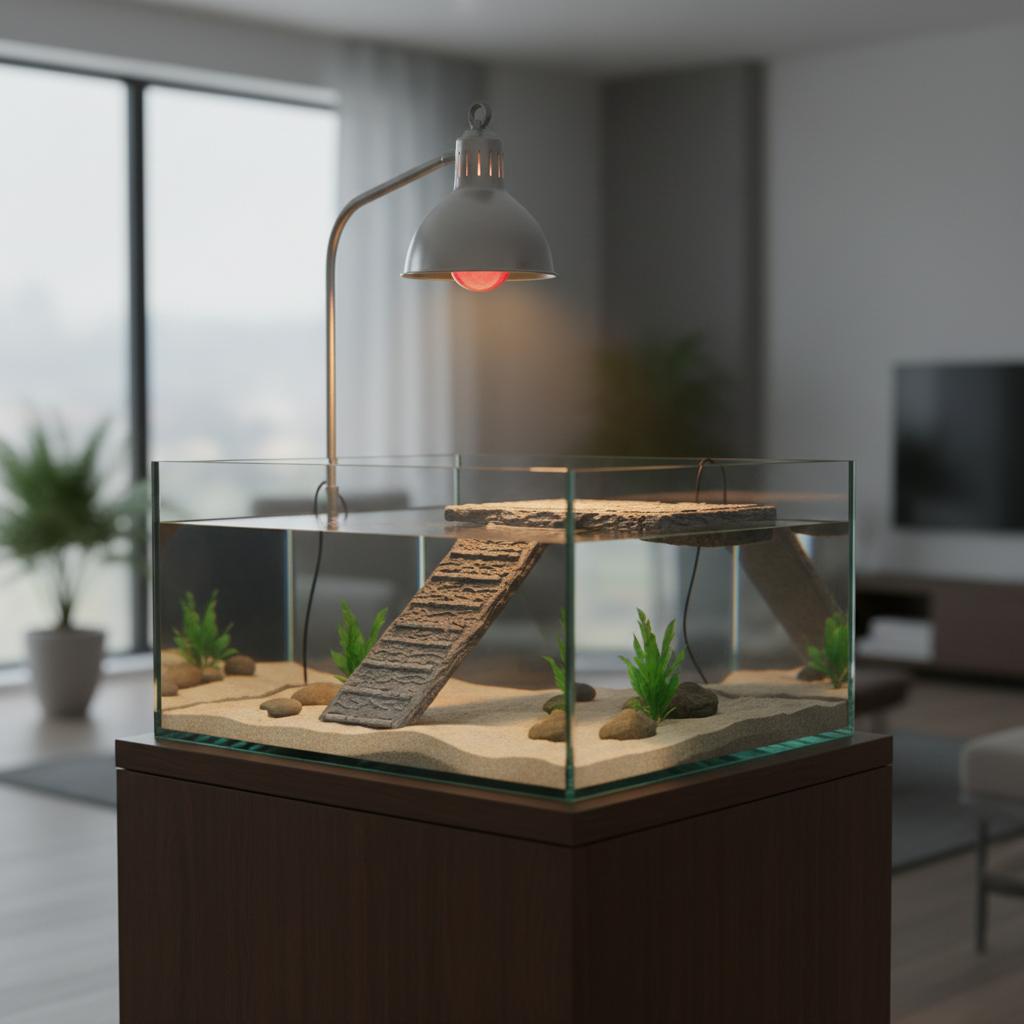
Below is a realistic way to evaluate an “easy climb” floating dock, choose the right size, and dial in the setup so your turtle can get up, dry off, and stay put. I’ll also call out the common mistakes that make a good product look bad.
What “easy climb” really means for a floating dock
When brands say “easy climb,” they usually mean the ramp has enough grip and the platform floats high enough to stay dry. But turtles care about a few extra things that don’t show up on the packaging.
- Ramp angle: If the dock sits too high, the ramp can become steep. Many turtles can do it, but they may avoid it if it feels unstable.
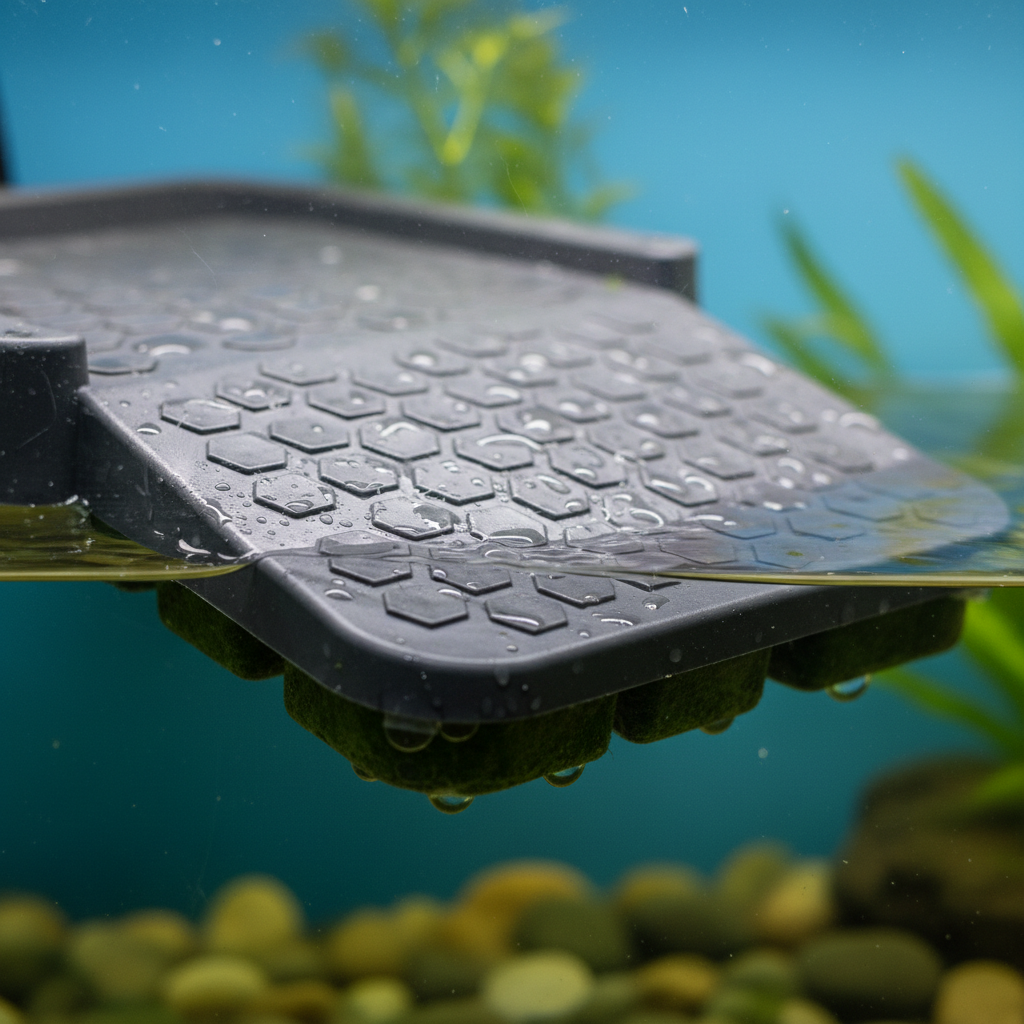
- Surface traction: “Textured” can still be slick once algae films build up. Traction has to hold up in real water, not just out of the box.
- Dock stability: A platform that twists when they step on it teaches them not to try again.
- Enough dry area: If the top stays damp, basking becomes less effective and some turtles simply don’t bother.
According to the American Veterinary Medical Association (AVMA), proper husbandry plays a major role in reptile health; in plain terms, your equipment either supports normal behavior or quietly pushes turtles into bad routines.
Why a floating dock becomes hard to use (even if it looks fine)
Most complaints about a turtle dock floating setup aren’t because the dock is “bad,” they’re because something in the environment amplifies its weak points.
Water level changes and buoyancy mismatch
If you top off water frequently or run strong filtration, the dock may ride differently day to day. Some docks also float best in a narrow range of water depth, so the ramp angle changes more than you expect.
Current from filters creates sideways wobble
A hang-on-back filter or powerhead can push the dock, especially if it’s mounted near the outflow. That wobble feels small to you, but to a turtle climbing one-handed, it can feel like a moving ladder.
Biofilm and algae turn “grippy” into “slick”
Even a decent textured ramp can get slippery once it develops a thin film. If your turtle slides on the first step, it may “learn” the dock is not worth the effort.
Size and weight rating don’t match your turtle
Many turtles grow fast, and a dock that worked last year can become cramped or too low in the water now. When the platform sinks slightly, the “dry zone” disappears and the turtle ends up half-submerged.
Quick self-check: are you dealing with traction, angle, or stability?
If you only change one thing, you want to change the right thing. Use this quick checklist while you watch your turtle approach the dock.
- Slips on the ramp: likely traction or biofilm issue, sometimes a too-steep angle.
- Gets halfway up, then backs down: often stability wobble or a sharp lip at the platform edge.
- Climbs up but doesn’t stay: platform may be damp, too small, or too close to the glass/objects that feel unsafe.
- Never attempts: ramp entry point may be awkward, water flow may be pushing them off line, or the dock sits in a “busy” corner.
One more practical tell: if your turtle can climb other hardscape (rocks, driftwood) but avoids the dock, it’s rarely “laziness.” It’s the dock’s feel.
Choosing the right turtle dock floating design: a comparison table
Different tanks and turtles favor different dock styles. Here’s a plain-language comparison you can use while shopping or troubleshooting what you already own.
| Dock type | Where it works well | Common drawback | What to look for |
|---|---|---|---|
| Foam floating platform with ramp | Medium tanks, steady water levels | Surface can get slick over time | Replaceable/cleanable texture, stable mounts |
| Magnetic side-mounted basking loft | Strong climbers, space-saving setups | Can sit too high, ramp gets steep | Adjustable height, wide ramp, strong magnet rating |
| Suction-cup plastic dock | Temporary use, very small turtles | Suction can fail, wobble increases | Fresh cups, clean glass, backup support plan |
| DIY above-tank basking area + ramp | Large turtles, long-term setups | More work to build and secure | Non-slip ramp material, easy access for cleaning |
Setup steps that make an “easy climb” dock actually easy
This is the part people skip because it feels like “fussing,” but it’s usually where the win is. Aim for a dock that feels predictable every time your turtle approaches it.
1) Place the dock away from strong flow
Keep it out of the filter outflow path. If your tank only has one good spot, consider redirecting the outflow so the surface current doesn’t hit the ramp entry.
2) Tune water level for a friendly ramp angle
Many docks climb best when the ramp starts slightly submerged but not buried. If the ramp entry sits too deep, turtles can’t “find” the first grip point; too shallow and it becomes a steep step.
3) Make traction reliable, not just “textured”
If the ramp is borderline slick, you can often improve grip with aquarium-safe options, but be careful with adhesives and materials that can leach chemicals. In many cases, consistent cleaning does more than adding stuff.
- Lightly scrub the ramp during routine maintenance to break up biofilm.
- Keep the basking area dry enough that algae doesn’t take over the top.
- If you add a mat or grip tape, confirm it’s aquarium-safe and won’t fray into ingestible bits.
4) Stabilize the dock so it doesn’t twist
Even with a good turtle dock floating platform, a little sideways roll can ruin confidence. If the design allows, use both mounting points, level it, and avoid letting it bump the glass lid or decor.
5) Dial in the basking “comfort zone”
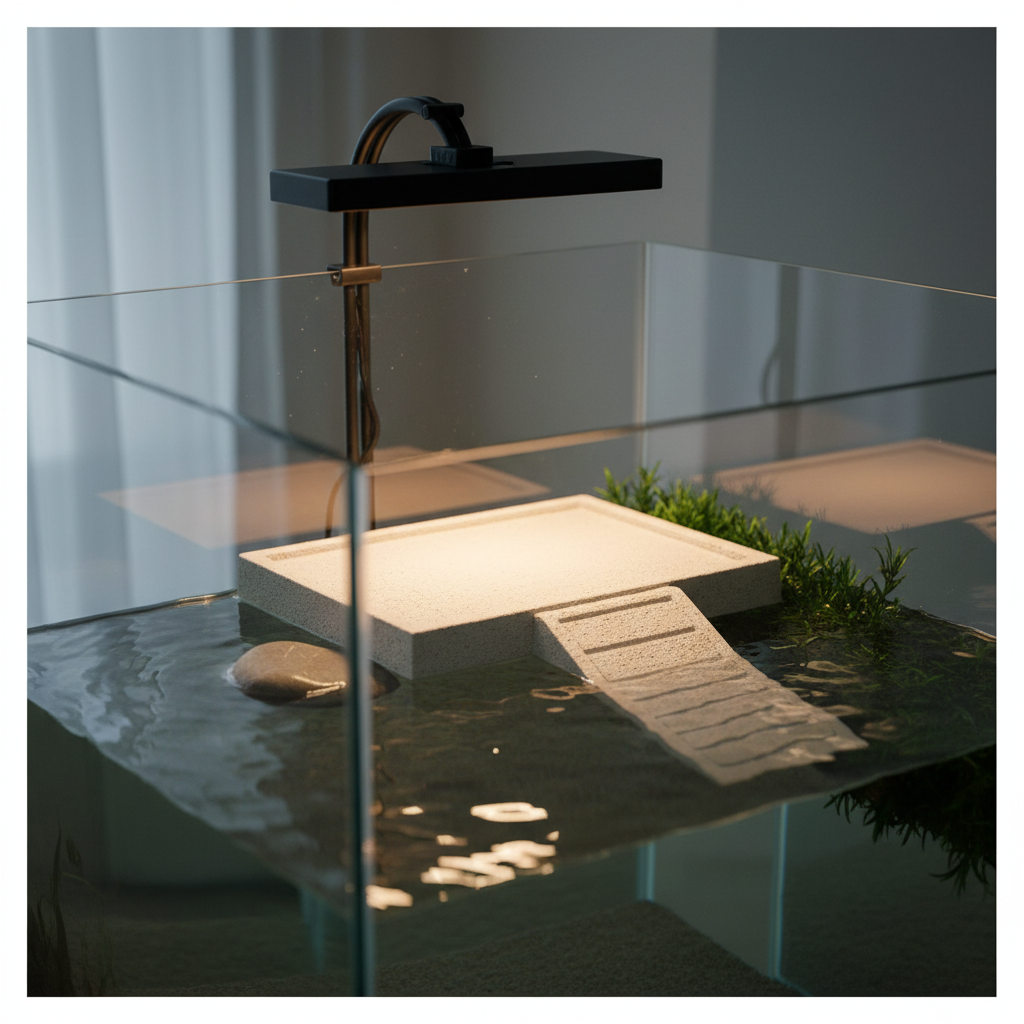
Some turtles climb up, then immediately leave because the basking spot feels exposed or the temperature gradient feels off. According to the ASPCA, reptiles need species-appropriate environmental conditions; if you’re unsure about temperatures and lighting, it’s worth verifying with a reptile-savvy veterinarian or credible care sheets for your exact species.
- Provide a predictable basking zone under the heat source.
- Avoid placing the dock where people or pets constantly pass by.
- Make sure the turtle can fully get out of the water to dry.
Common mistakes that waste money (and how to avoid them)
These are the patterns that show up over and over when someone says a dock “doesn’t work.”
- Buying for today’s turtle, not next season: if your turtle is still growing, choose a platform that won’t become cramped quickly.
- Assuming one-size-fits-all traction: smooth-shelled sliders and softshells can behave differently than rougher-clawed species, and individuals vary too.
- Ignoring maintenance: a ramp that worked in week one can fail in week six if you never scrub the film off.
- Chasing “higher is better”: a very high platform often creates a steeper ramp, and steep ramps expose weak traction fast.
- Setting it and forgetting it: after filter changes or decor moves, re-check wobble and angle.
When to ask a professional (and what to mention)
If your turtle repeatedly fails to climb, stops basking, or shows signs like lethargy, loss of appetite, or buoyancy problems in the water, it’s smart to consult a reptile-experienced veterinarian. The issue may be husbandry, but it can also be health-related, and guessing can drag things out.
When you reach out, it helps to share the tank size, water depth, dock style, lighting details, and what you’ve observed during climb attempts. Small details like “slips at the first third of the ramp” can be surprisingly useful.
Conclusion: a better climb is usually a better setup
A turtle dock floating platform becomes “easy climb” when the ramp entry is easy to find, the surface stays grippy in real conditions, and the dock doesn’t wobble under weight. If you only do two things this week, move the dock out of the current and clean the ramp texture thoroughly, then watch how your turtle reacts over the next few days.
If you want a faster path, take a short video of a climb attempt and compare it to the checklist above, it’s often obvious what’s off once you see the moment they hesitate.
Key takeaways
- Stability beats height: a steady platform usually gets used more than a taller, wobbly one.
- Traction changes over time: biofilm can undo “grippy” surfaces, so plan for cleaning.
- Angle matters: water level and mounting position can make the same dock feel completely different.
- Behavior is feedback: avoidance often points to a fixable setup issue, not stubbornness.
FAQ
Why won’t my turtle use a floating basking dock?
Most often it’s wobble, slick traction, or a ramp angle that feels awkward. Try relocating the dock away from filter flow and scrubbing the ramp surface, then re-check whether the platform stays dry enough to be rewarding.
How high should a floating turtle dock sit above the water?
High enough to let the turtle get fully out and dry, but not so high the ramp becomes steep. Many setups improve when the ramp’s bottom section is slightly submerged so the first “step” is easy to grab.
Do suction cups hold a turtle dock securely?
They can, but reliability varies with cup quality, glass cleanliness, and turtle size. If you notice gradual sagging or sudden detachment, consider a design with stronger mounting or add a secondary support so a slip doesn’t become a fall.
What can I do if the ramp is too slippery?
Start by removing biofilm with regular cleaning, since that’s a common hidden cause. If it’s still slick, look for aquarium-safe grip solutions that won’t shed fibers or adhesives into the water, and monitor closely.
Is it okay if the basking platform is a little wet?
A small damp edge happens, but if the top stays wet, many turtles won’t fully bask. It can also encourage algae growth that makes traction worse, so aim for a platform that stays mostly dry during normal filtration and splashing.
How do I know if my dock is too small?
If your turtle can’t comfortably rest with most of its body out of the water, or it constantly repositions and slides off, the usable area is probably limited. Up-sizing often improves basking time and reduces stress.
Could not basking be a health issue instead of a dock issue?
Yes, it’s possible. If you see appetite changes, unusual floating, weakness, or persistent avoidance despite setup tweaks, a reptile-savvy veterinarian can help rule out medical causes and confirm husbandry targets for your species.
If you’re deciding between dock styles or you’re tired of adjusting the same platform every week, it may be worth choosing a solution that matches your tank’s flow pattern and your turtle’s size now, not just what fit in the cart. A quick setup review usually saves more time than another “maybe this one” purchase.