
Choosing a kitten bed small cozy enough to feel secure but not so tiny that your kitten can’t stretch is usually the make-or-break detail for better sleep (and fewer midnight zoomies on your pillow).
Most people buy a “cute” bed first, then realize the kitten ignores it, sheds all over it, or outgrows it fast. The good news, this is one of those pet purchases where a few simple checks can save you money and keep your kitten more comfortable.
This guide breaks down what actually matters: sizing that fits real kittens, warmth that feels soothing without turning into a sweaty hotspot, materials that handle accidents, and small setup tweaks that make a new bed feel “safe” on day one.
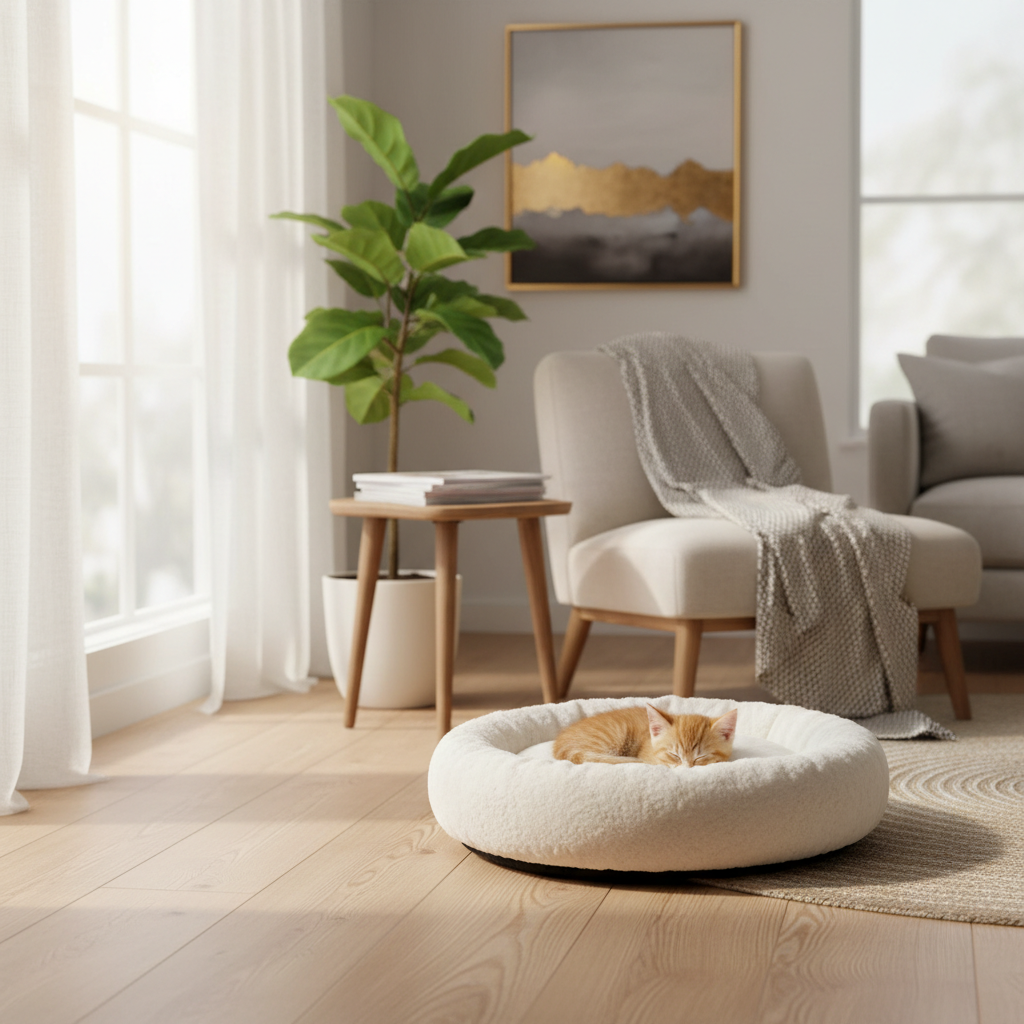
Why kittens reject a bed (and what “cozy” really means)
If a kitten avoids a bed, it’s usually not stubbornness, it’s the bed sending the wrong signals: unstable base, scratchy fabric, too open, too hot, or placed in a loud traffic zone.
“Cozy” for most kittens tends to mean supported edges + soft surface + a bit of cover. Think of how they wedge themselves between couch cushions or curl behind a pillow. They’re chasing contact and security.
- Too open: Flat mats can feel exposed, especially for timid kittens or new rescues.
- Too deep or tall: High bolsters can block entry for very young kittens.
- Too slick: Shiny polyester can slide, and kittens dislike unstable footing.
- Too warm: “Warm” is comforting, “hot” makes them relocate to tile or a bathtub.
According to American Veterinary Medical Association (AVMA)... keeping pets comfortable also includes providing a safe environment and avoiding temperature extremes. In practice, for bedding, that translates to warmth without trapping too much heat, especially in well-heated U.S. homes.
Quick self-check: what kind of sleeper is your kitten?
Before you pick a style, watch where your kitten already chooses to nap. Ten minutes of observing beats a dozen product photos.
- “Doughnut” sleeper: curls tight in a ball, often likes round beds with bolsters.
- “Sprawl” sleeper: belly-up or stretched long, often prefers a wider small bed or low-sided lounger.
- “Hider” sleeper: under chairs, in boxes, behind curtains, often does best with a cave-style bed.
- “Heat seeker” sleeper: glued to sun patches or laptop vents, may like warmer fabrics, but still needs breathable fill.
Also note household factors that change the answer: drafty floors, strong A/C vents, other pets, and whether your kitten is still learning where “safe” is.
Size matters more than you think (simple sizing rules)
When people search for a kitten bed small cozy model, they often default to the tiniest option. The better move is choosing “small” based on body length + sleeping style, not age.
A practical measuring method
- Measure nose-to-base-of-tail while your kitten stands naturally.
- Add 4–6 inches for curl sleepers, 6–10 inches for sprawlers.
- If the bed has tall bolsters, treat the inner sleeping area as the real size.
If you’re between sizes, many households do better with the slightly larger small bed, then add a folded throw to “shrink” it at first. That way you don’t end up replacing it immediately during a growth spurt.
Warmth without overheating: fabrics, fill, and placement
Warm beds sell well, but “warm” can come from two very different things: soft insulating materials, or heat-retaining designs that can trap body heat. For most indoor kittens, you want the first, and you want it in moderation.
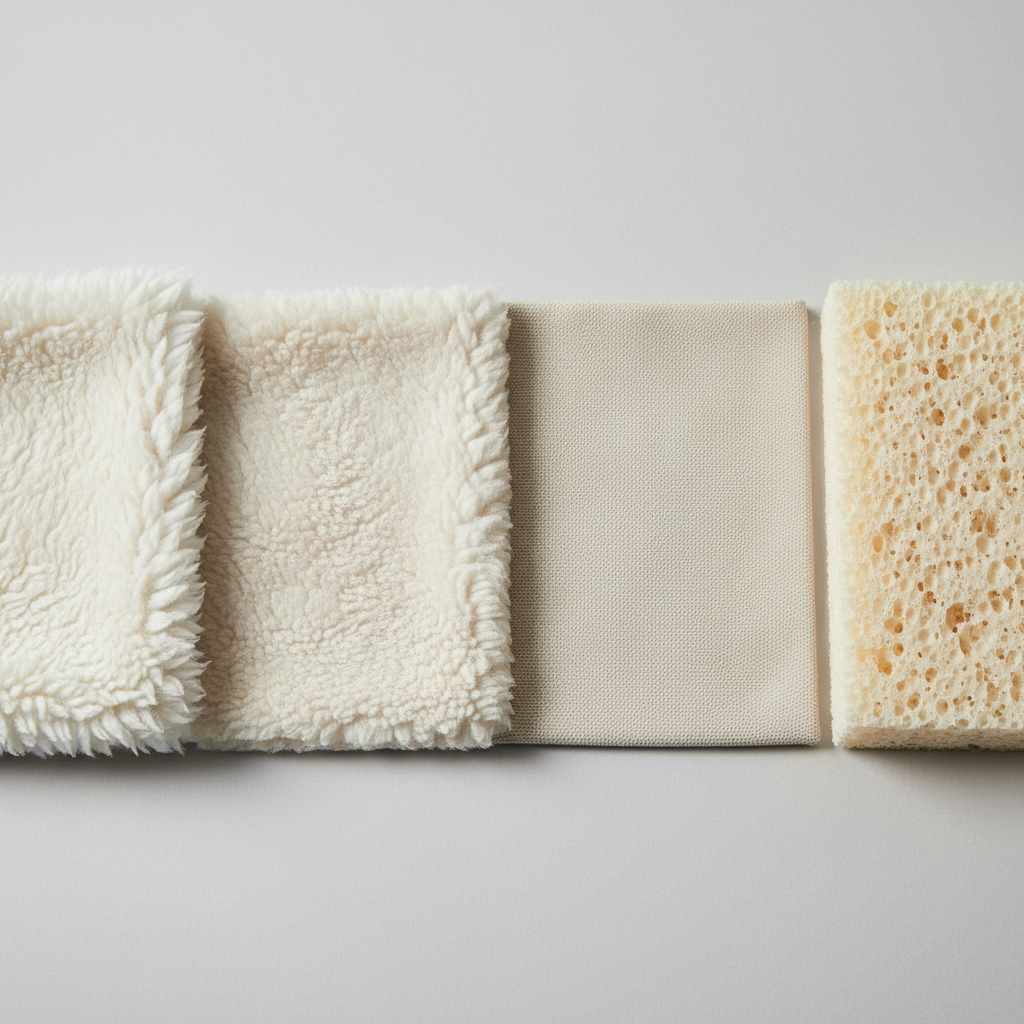
Material choices (what usually works)
- Fleece or sherpa top: feels warm fast, good for kittens who seek soft textures.
- Cotton canvas outer: tougher, less clingy for fur, often washes better.
- Foam base: helps with cold floors and adds stability, but check for removable covers.
- Polyfill: fluffy and cozy, but can clump after repeated washing if quality is low.
Warm setup tips (no gadgets required)
- Place the bed away from direct A/C flow and exterior door drafts.
- Try a quiet corner with a wall behind it, kittens relax when their “back is covered.”
- Add a light blanket your kitten already likes, familiar scent often beats brand-new plush.
If you consider a heated pad, be cautious. According to ASPCA... any heat source should be used with care to prevent burns or overheating, and many situations are safer with passive warmth (blankets, insulated base) rather than active heating. When in doubt, it’s worth asking your veterinarian, especially for very young, ill, or underweight kittens.
Comparing common small bed styles (table)
Different bed shapes solve different problems. Here’s a quick comparison you can use like a shortlist.
| Bed style | Best for | Potential downside | What to look for |
|---|---|---|---|
| Donut / bolster bed | Curl sleepers, anxious kittens | Can be too warm in summer | Low entry + washable cover |
| Cave / hooded bed | Hiders, multi-pet homes | Some kittens dislike enclosed tops | Collapsible hood + breathable lining |
| Low-sided lounger | Sprawlers, kittens who move a lot | Less “secure” feeling | Non-slip bottom + slightly raised edge |
| Crate bed / pad | Crate training, travel | May feel flat and exposed | Quilted top + grippy base |
Real-world buying checklist (the stuff that saves regret)
Before you click “Buy,” run through these. This is where most product pages look similar, but performance differs.
- Washability: removable cover is easier than washing the whole bed, especially during litter training.
- Non-slip base: if the bed skates across hardwood, many kittens won’t trust it.
- Stitching and seams: loose seams can turn into chew targets for teething kittens.
- Odor and finishes: strong “factory smell” can be a dealbreaker for sensitive cats, airing out helps.
- Height of entry: very small kittens do better with a low step-in lip.
- Spare cover option: not required, but it makes life easier when accidents happen.
One more honest point, “small” beds can be wildly inconsistent between brands. If you can’t find interior dimensions, that’s a mild red flag.
How to get your kitten to actually use the bed (practical steps)
Even the right kitten bed small cozy pick can get ignored if it feels unfamiliar. You’re not “training” so much as removing friction.
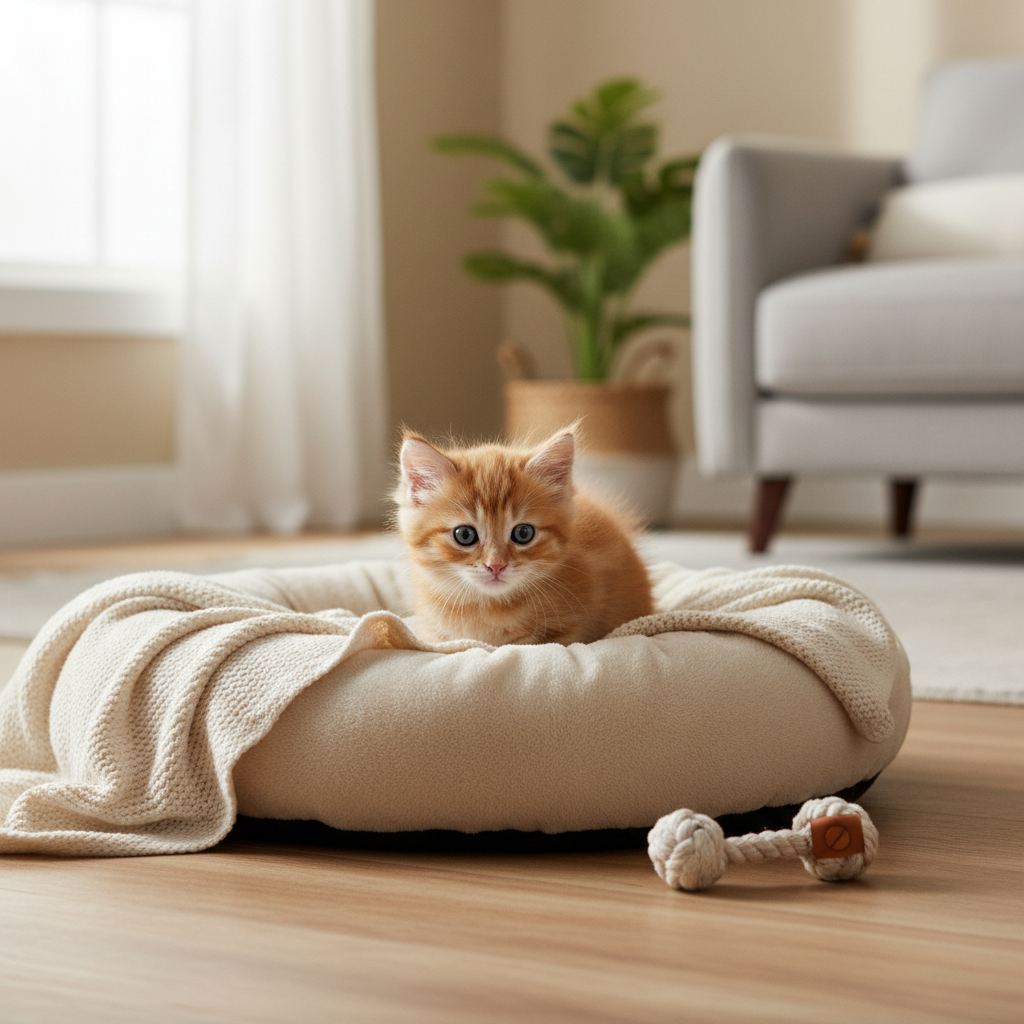
Make it familiar in 10 minutes
- Rub a soft cloth on your kitten’s cheeks (scent glands), then place it in the bed.
- Add one worn T-shirt or small throw that smells like home, not perfume detergent.
- Put the bed where your kitten already naps for 2–3 days, then slowly move it if needed.
Use food and play the right way
- Don’t feed full meals inside the bed, but a couple treats near the edge can build positive association.
- End a play session with the toy “resting” near the bed, many kittens flop down nearby.
- Avoid forcing them into the bed, it often backfires and turns the bed into a “capture zone.”
Common mistakes and safety notes
Cozy shouldn’t mean risky. A few small details matter, especially for kittens who chew and climb.
- Loose strings or ribbon: can become a chewing hazard, trim or avoid.
- Overly fluffy shedding fabric: some plush materials pill and shed, which can be messy and may irritate sensitive kittens.
- Unstable tall cave beds: if it tips when they jump in, they may avoid it permanently.
- Strong fragrance sprays: many cats dislike scented products, and some ingredients may be irritating.
If your kitten seems lethargic, breathes with effort, or avoids all warm spots, don’t try to “solve” it with a hotter bed. That can be unrelated to comfort and worth a vet call.
Conclusion: pick cozy, but keep it simple
A small bed works when it matches how your kitten sleeps, stays stable on your floor, and feels warm in a breathable way. You don’t need the fanciest option, you need the one your kitten trusts.
If you want a clean next step, measure your kitten tonight, pick one style based on sleep posture, and prioritize a washable cover. That short list tends to lead to a bed that gets used, not just photographed.
FAQ
What size is considered a “small” kitten bed?
It depends on interior sleeping space, not the label. Many small beds land around 16–20 inches across, but always compare to your kitten’s length plus a few inches for their sleep style.
Is a donut bed too hot for an indoor kitten?
Sometimes. Donut beds can trap heat, which feels great in a chilly room and less great in a warm apartment. Breathable lining and a lighter fill usually prevent that “overheated and relocating to the floor” problem.
Should I buy a cave bed for a timid kitten?
Often yes, especially in busy homes, but not every kitten likes the roof touching their whiskers. If you pick a cave, look for a flexible hood so you can start semi-open and close it later.
How do I keep a kitten bed clean during litter training?
Prioritize a removable cover and have a backup blanket you can swap in. If accidents happen, wash with a gentle, low-scent detergent and fully dry, lingering odors can discourage reuse.
Can I put a kitten bed in a crate?
Yes, a low-profile pad or thin bolster bed often works better than a tall plush bed inside a crate. Measure the crate floor, and make sure the bed doesn’t bunch up and tilt.
Why does my kitten prefer the cardboard box over the bed?
Boxes feel enclosed and predictable, and they hold familiar smells. You can “hack” this by placing a soft pad inside a box for a few days, then transitioning that same pad into the bed.
Is a heated kitten bed safe?
It can be, but it’s not a default recommendation for every kitten. If you use any heated product, follow manufacturer instructions carefully and consider asking a veterinarian, especially for very young kittens or those with health concerns.
If you’re trying to choose a kitten bed small cozy setup without buying three different beds to test, it may help to shortlist by sleep style and room temperature, then pick one washable option and adjust with a simple blanket as your kitten grows.