Dog paw cleaner cup is one of those tools you only truly appreciate after the third muddy paw print across a light rug, it turns a messy re-entry into a quick routine that most dogs tolerate better than a full bath.
If you live in a rainy state, deal with snow salt in winter, or just have a dog who finds every damp patch on the sidewalk, paws become the daily bottleneck. The “quick wash” promise is real in many households, but only if you choose the right cup size and use it the right way.
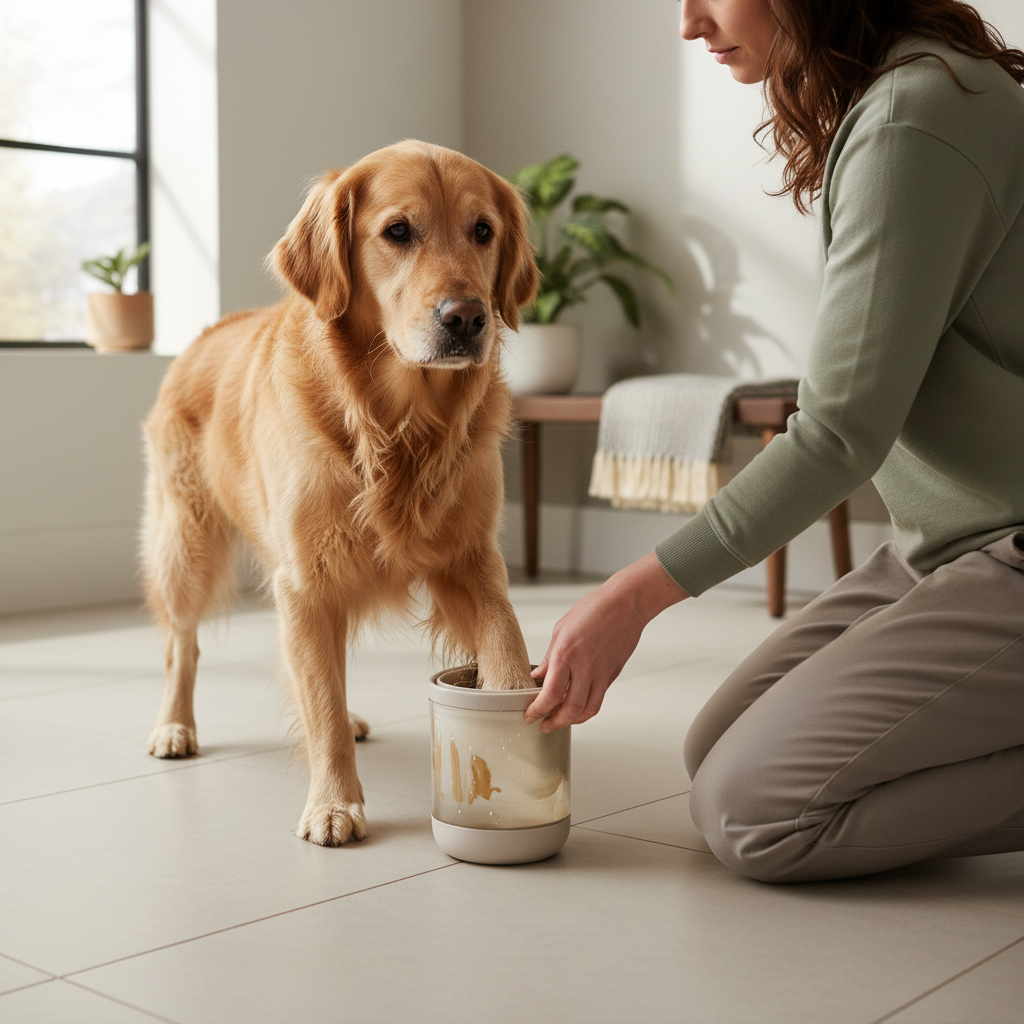
I’m going to be honest, a paw cup does not replace all grooming. It works best as a “doorway rinse,” and it can help reduce tracked-in dirt, allergens, and street grime, especially when paired with a fast towel dry.
What a paw cleaner cup actually does (and when it struggles)
A paw cup is basically a portable, no-drip mini wash station. Most have soft silicone bristles inside that loosen dirt as you twist the cup around your dog’s paw with a bit of water.
Where it shines is everyday mess: wet grass, dust, light mud, sidewalk residue. Where it struggles is heavy clay mud packed between toes, long hair that mats around paw pads, or dogs that hate having feet handled.
Quick reality check
- Great for: quick cleanups after walks, rainy day paw rinses, wiping off de-icing salt.
- Not enough for: infections, cuts, deep cracks, or persistent redness, those need a different approach.
- Skill required: low, but technique matters more than people think.
According to the American Kennel Club (AKC), regular paw checks help catch issues like foreign objects, cracked pads, and irritation early, cleaning is helpful, but observation is the hidden win.
Why paws get so dirty so fast: common real-world culprits
Most “mystery” paw mess comes from a few repeat offenders, and knowing which one you’re dealing with changes how you use the cup.
- Rain + soil: turns light dirt into paste that clings to pads and nail beds.
- Snow salt and de-icers: can stick to paws, then irritate skin if left on, some dogs lick it off.
- Urban grime: oily residue on sidewalks and parking lots, harder to remove with just a wipe.
- Allergens: pollen and grass can hitch a ride, then end up on couches and beds.
If you’re mainly fighting salt or grime, a dog paw cleaner cup with warm water plus a thorough dry usually beats a dry wipe, but if you’re fighting thick mud, you may need a pre-rinse step outside.
Self-check: do you actually need a paw cup, or something else?
Before buying anything, it helps to label your situation. Here’s a quick checklist you can run in under a minute.
- You wipe paws now, but the towel comes away black or brown every time.
- Your dog steps on rugs or furniture before you can intercept.
- Winter walks leave white residue on pads or between toes.
- Your dog has feathering or longer paw hair that traps debris.
- You want a faster routine than carrying a dog to the tub.
If your main issue is odor, redness, frequent licking, or a “corn chip” smell that keeps returning, cleaning tools might help temporarily, but it’s also worth asking a veterinarian or professional groomer what’s driving it.
How to use a dog paw cleaner cup for a true “quick wash”
The best results come from a repeatable routine that your dog can predict. Make it boring, not dramatic.
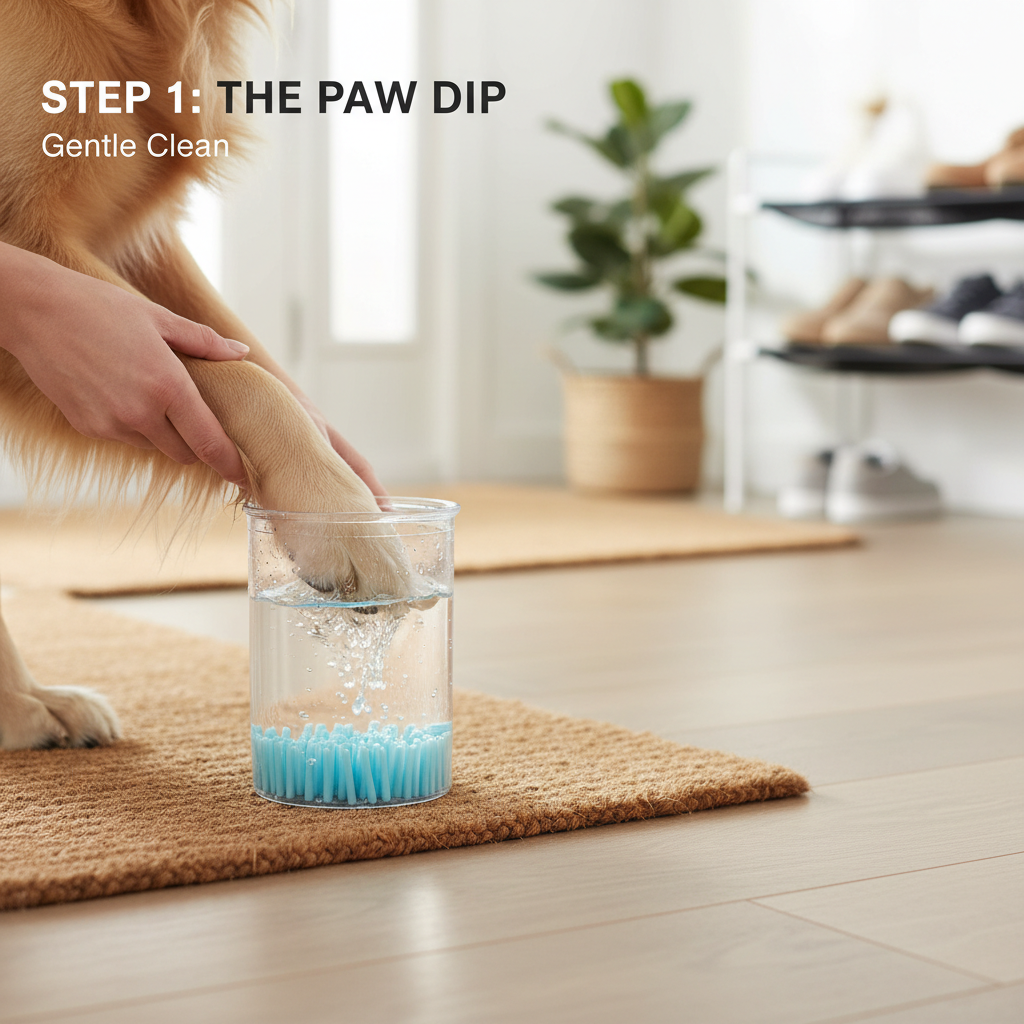
Simple 60–90 second routine
- Prep: keep the cup near the door with a small towel and a non-slip mat.
- Add water: lukewarm is usually more comfortable than cold, fill only to the bristle line to reduce splashes.
- Paw in, gentle twist: 3–6 slow twists, avoid forcing the paw deeper if your dog resists.
- Lift and drip: pause one second over the cup, let excess water fall back in.
- Towel dry well: press between toes and around nail beds, moisture left behind can cause irritation in some dogs.
- Repeat: front paws first for many dogs, then back paws.
If you want to add a cleanser, choose something made for dogs and use it sparingly. Many situations only need water, and frequent use of harsh soaps can dry pads out.
Choosing the right cup: size, bristles, materials, and cleanup
Not all cups feel the same to a dog. Comfort matters, because the “best” cup is the one your dog will allow you to use.
Quick comparison table
| Feature | What to look for | Why it matters |
|---|---|---|
| Size (diameter + depth) | Paw fits without squeezing toes | Too tight causes resistance, too loose reduces cleaning contact |
| Silicone bristles | Soft, flexible, evenly spaced | Gentler on sensitive paws, still lifts grit from pads |
| Inner liner design | Removable insert | Easier cleaning, less lingering odor |
| Grip + outer shell | Textured body, stable base | Less slipping when your dog pulls away |
| Leak resistance | Snug lid optional, good seams | More practical for travel, car use, or apartment hallways |
For dogs with very hairy paws, a slightly longer bristle pattern often performs better, but the tradeoff is more hair catch, so you’ll clean the insert more often.
Mistakes that make paw cups feel “useless” (and how to fix them)
A lot of bad reviews come from the same handful of issues. Most are fixable without buying a different product.
- Overfilling the cup: it splashes, your dog flinches, and the routine turns into a wrestling match. Fill less.
- Twisting too fast: fast motion can startle dogs. Slow, steady circles clean better anyway.
- Skipping the dry step: wet paws track grime and can leave floors streaky. Drying is half the result.
- Using it on packed mud: knock off chunks outside first, then use the cup for the residue.
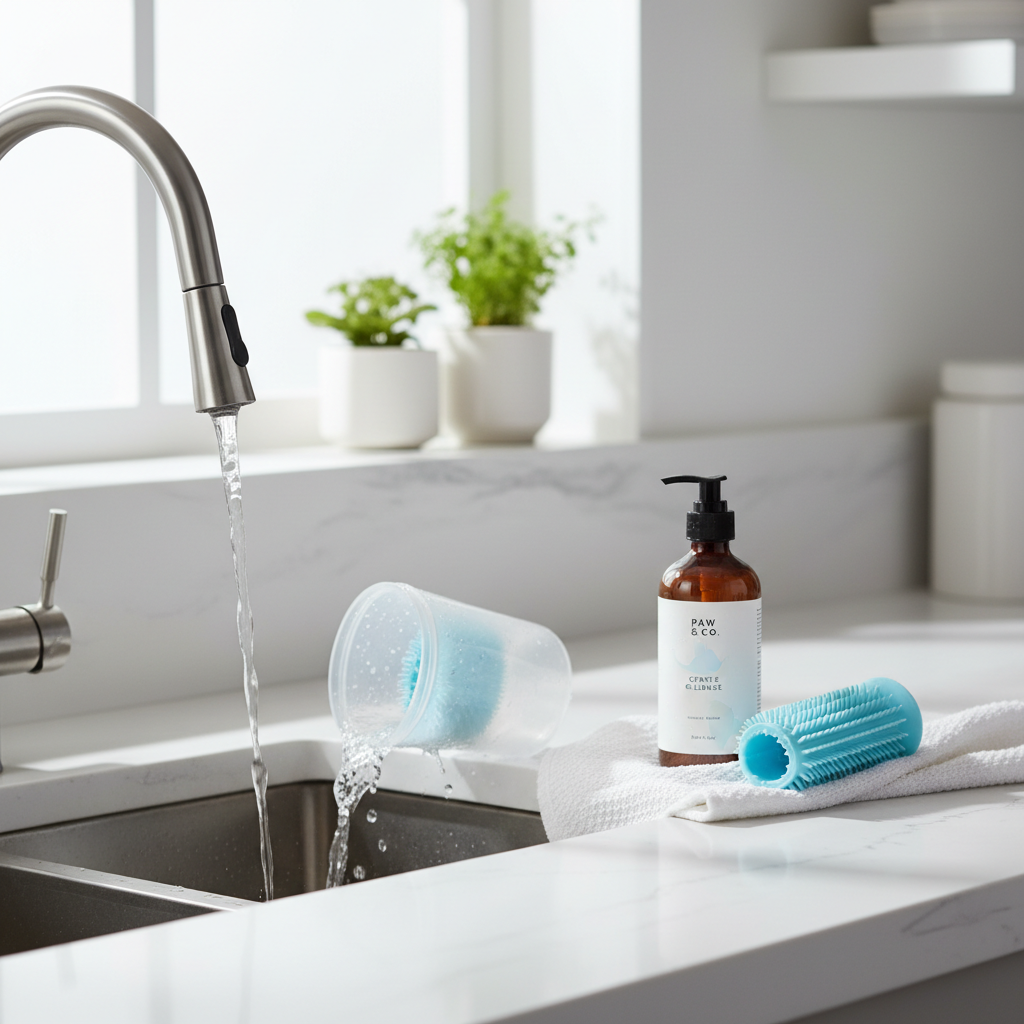
- Never cleaning the cup: dirty water smell builds quickly. Rinse after each use, wash regularly.
Also, don’t underestimate training. A few short sessions with treats, where you handle paws and reward calm behavior, often makes the dog paw cleaner cup routine dramatically easier.
When to skip the cup and get professional help
Cleaning tools are for maintenance, not diagnosis. If you see any of the following, it’s safer to pause and consult a veterinarian or groomer who can assess what’s going on.
- Bleeding, limping, or a visible cut that keeps reopening
- Swelling between toes, discharge, or a strong foul odor
- Persistent redness, frequent paw chewing, or worsening irritation
- Cracked pads that look deep or painful
According to the American Veterinary Medical Association (AVMA), changes in licking, limping, or skin condition can signal underlying issues, so if symptoms persist, getting a professional opinion is usually the sensible move.
Practical “entryway system” tips that keep floors clean
A paw cup works best as part of a tiny system. You’re reducing friction for yourself as much as you’re cleaning paws.
- Set a landing zone: mat by the door, towel on a hook, cup within reach.
- Do the front paws first: many dogs tolerate this better, and it prevents the quick dash indoors.
- Rotate towels: one for drying, one backup, wash often to avoid funk.
- Use a consistent cue: “paws” or “feet,” same tone each time.
- Keep it short: aim for calm efficiency, not perfection.
If you travel, bring a small bottle of water and use the cup at the car. It sounds extra until you realize how much dirt ends up on seats.
Key takeaways
- A dog paw cleaner cup is best for everyday grime, not thick, packed mud or medical issues.
- Technique matters: underfill, slow twist, and always towel dry.
- Choose the right size so paws fit comfortably and bristles make contact.
- Clean the cup regularly to avoid odor and buildup.
Conclusion: keep the routine easy, and it sticks
The fastest “quick wash” is the one your dog doesn’t dread, and your household actually repeats. Start with a simple doorway setup, keep the water level low, dry thoroughly, and you’ll usually see fewer paw prints within a day or two. If you want one next step, measure your dog’s paw width and pick a cup size that fits without squeezing, then practice the routine for three short sessions with rewards.
FAQ
How often can I use a dog paw cleaner cup?
For most dogs, using it after walks is fine, especially with plain water and a good dry. If you notice dryness or cracking, reduce frequency and consider checking pad condition with a vet or groomer.
Can I put soap in the paw cup?
You can, but you often don’t need to. If you do, pick a pet-safe product and rinse well, residue left between toes can bother sensitive skin.
My dog hates having paws touched, will a paw cup help?
It can, because it’s quicker than a bath, but handling tolerance still matters. Start by touching paws briefly, reward calm behavior, then introduce the cup when your dog is already relaxed.
What size paw cleaner cup should I buy?
Look for a size where the paw slides in without squeezing toes, and the bristles contact the pads. If you’re between sizes, many people prefer the larger option for comfort, but too large can clean less effectively.
Does a paw cup help with allergies?
It may help reduce what your dog tracks indoors, especially pollen on paws after grass walks. If allergy symptoms persist, a veterinarian can help you sort out triggers and treatment options.
Is it safe to use warm water in the cup?
Lukewarm water is typically comfortable, hot water is not. If your dog has sensitive paws or any sores, keep water mild and avoid anything that could sting.
Why does the cup start to smell?
Trapped moisture and dirty water residue are common causes. Rinse after each use, let parts dry fully, and wash the insert regularly to keep odors down.
Can I use a paw cleaner cup on a puppy?
Usually yes if the puppy tolerates handling, but keep sessions short and gentle. Puppies can be squirmy, so focus on calm exposure rather than perfect cleaning.
If you’re already wiping paws every day and still losing the battle with mud or winter salt, a paw cup can be the more low-effort middle ground, quick to do at the door, easier to keep consistent, and less annoying than hauling a dog to the tub.