
guinea pig play tunnel collapsible is one of those “small” accessories that can make playtime either smooth and enriching, or weirdly stressful when it’s noisy, tippy, or hard to keep clean.
If you’re shopping for a portable tunnel, you’re probably balancing a few real-life constraints, limited space, quick setup, easy storage, and something your guinea pig actually wants to use.
This guide breaks down what matters, material, size, stability, and cleaning, plus simple ways to introduce a tunnel so it becomes a favorite, not a scary tube in the corner.
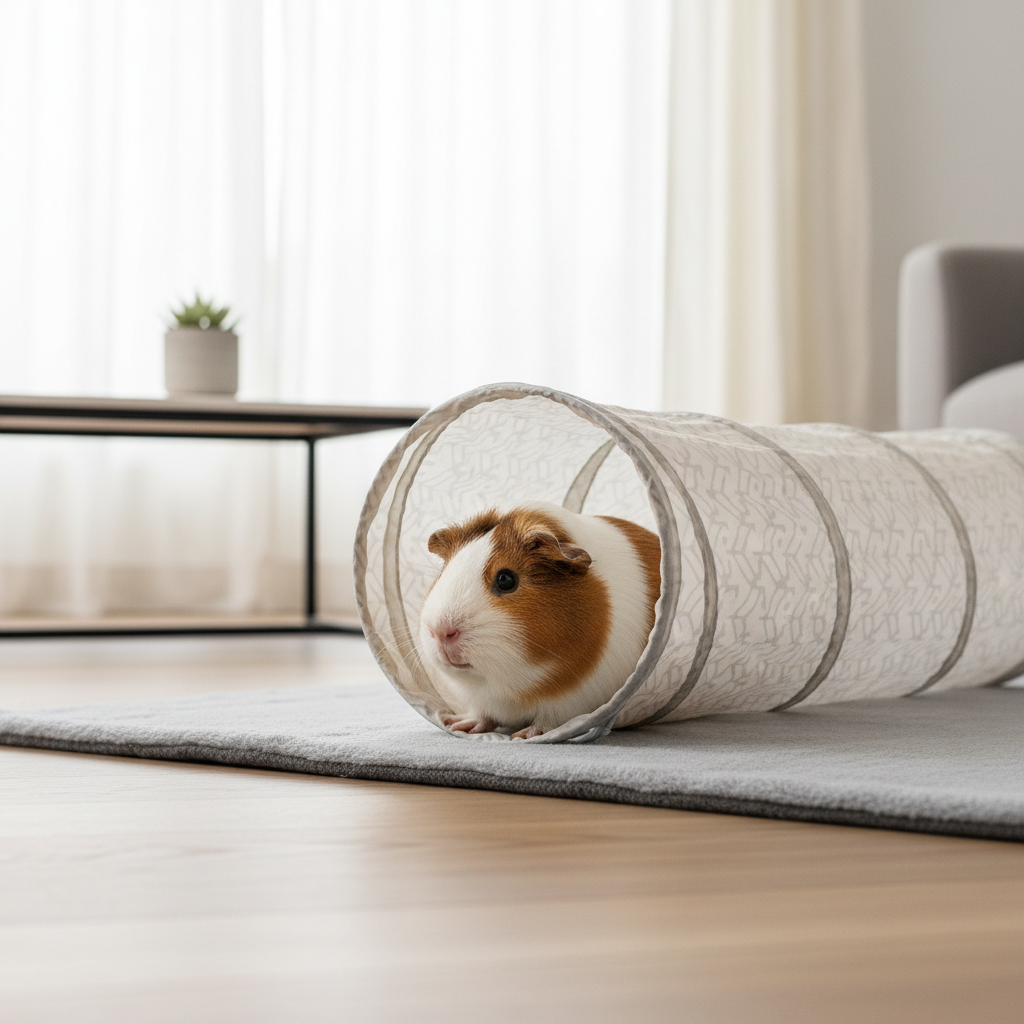
Why collapsible tunnels work so well for guinea pigs
A tunnel plays into a guinea pig’s instinct to move between cover points. In many homes, it becomes a “safe hallway” that encourages more movement without forcing interaction.
According to the RSPCA..., guinea pigs benefit from opportunities to hide and explore as part of enrichment, which is exactly what a simple tunnel provides when it’s stable and sized well.
- Confidence boost: shy pigs often pop in and out before they’ll free-roam.
- More natural movement: short sprints, stop-and-check, then repeat.
- Flexible layout: you can rearrange tunnels to keep play sessions fresh.
Common problems buyers run into (and what they usually mean)
Most complaints about a collapsible tunnel aren’t about the idea, they’re about the details. The same product can feel “perfect” in one setup and annoying in another.
- It collapses while they’re inside: usually too soft a frame, or the tunnel is longer than the support design can handle.
- They refuse to enter: often a scent issue (factory smell), too-small diameter, or the tunnel crinkles loudly.
- It slides around: smooth floor plus lightweight tunnel, add a fleece pad or connect it to a pen wall.
- Cleaning is a headache: fabric tunnels without a wipeable liner tend to hold hay bits and pee odor.
One quick mindset shift helps, you’re not just buying a toy, you’re building a mini “traffic system” for playtime.
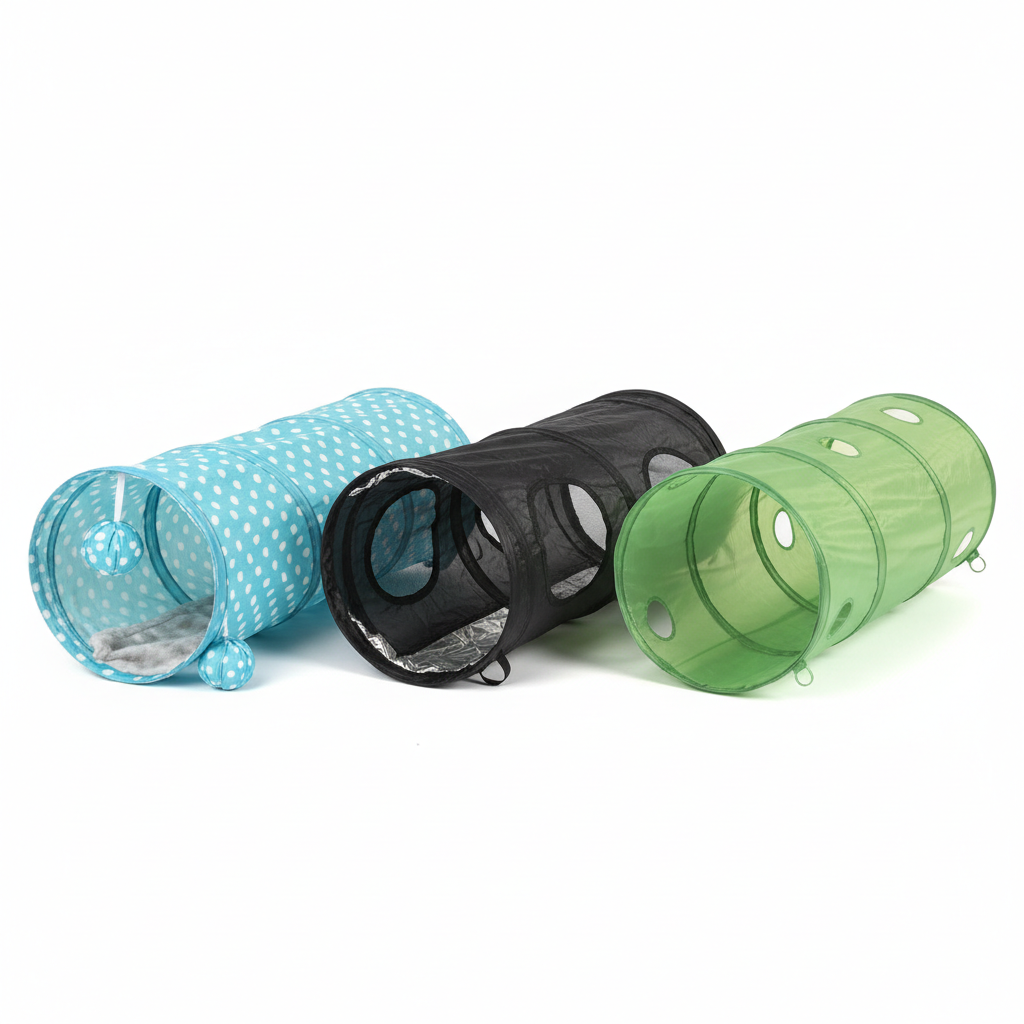
Quick self-check: which tunnel style fits your setup?
Before you buy, answer these in plain terms. This saves money and avoids the “my guinea pig hates it” moment.
- Flooring: hardwood/tile (slippery) vs carpet/rug (grippy)
- Play space: a small pen, a full room, or a tabletop play zone
- Chewer level: gentle nibbler vs determined fabric shredder
- Cleaning reality: do you want wipe-down easy, or is machine-wash a must?
- Number of pigs: one pig can use narrower tunnels, pairs often need more space to pass without drama
If you’re unsure, prioritize stability and easy cleaning over extra features. Most guinea pigs care more about feeling safe than having cute patterns.
What to look for when shopping (materials, size, and safety)
When you search guinea pig play tunnel collapsible, you’ll see cat tunnels, rabbit tunnels, and “small pet” tunnels all mixed together. Some work fine, some are a little too intense for guinea pigs.
Material choices that tend to work
- Soft fabric pop-up: quieter, cozy, but may absorb odors if not lined.
- Nylon with spring frame: holds shape better, often easier to wipe, can be crinklier.
- Foldable panels: less “tunnel-y” and more like a hidey hallway, usually the most stable.
Size: the part people guess wrong
A tunnel should allow your guinea pig to turn or at least pass through without scraping sides, and it shouldn’t create a tight squeeze that makes backing out stressful.
- Diameter: many guinea pigs do better with a roomy tunnel than a snug one.
- Length: short to medium tunnels feel safer to timid pigs because they can see the exit.
- Openings: two exits reduce “cornering” between cage-mates.
Safety notes worth taking seriously
Skip tunnels with loose interior strings, sharp wire ends, or small attached parts that can be chewed off. If your guinea pig chews fabric hard, monitor closely and consider sturdier options.
According to the ASPCA..., safe enrichment should avoid hazards like ingestible pieces and sharp components, a good rule of thumb when choosing any small-pet accessory.
A practical comparison table (so you can choose fast)
This is a “real home” view rather than a perfect-world spec sheet. Your best pick depends on cleaning habits and whether your pig chews.
| Type | Best for | Tradeoffs | What to check |
|---|---|---|---|
| Pop-up fabric tunnel | Shy pigs, quiet play, soft surfaces | Can hold odor, may sag | Washability, stitching quality |
| Nylon spring-frame tunnel | Frequent setup/pack-away, stronger shape | May crinkle, can slide on smooth floors | End caps, frame coverage, wipeability |
| Foldable panel “tunnel” | Chewers, multi-pig traffic, stable routes | Less compact, more rigid footprint | Hinge durability, edge safety |
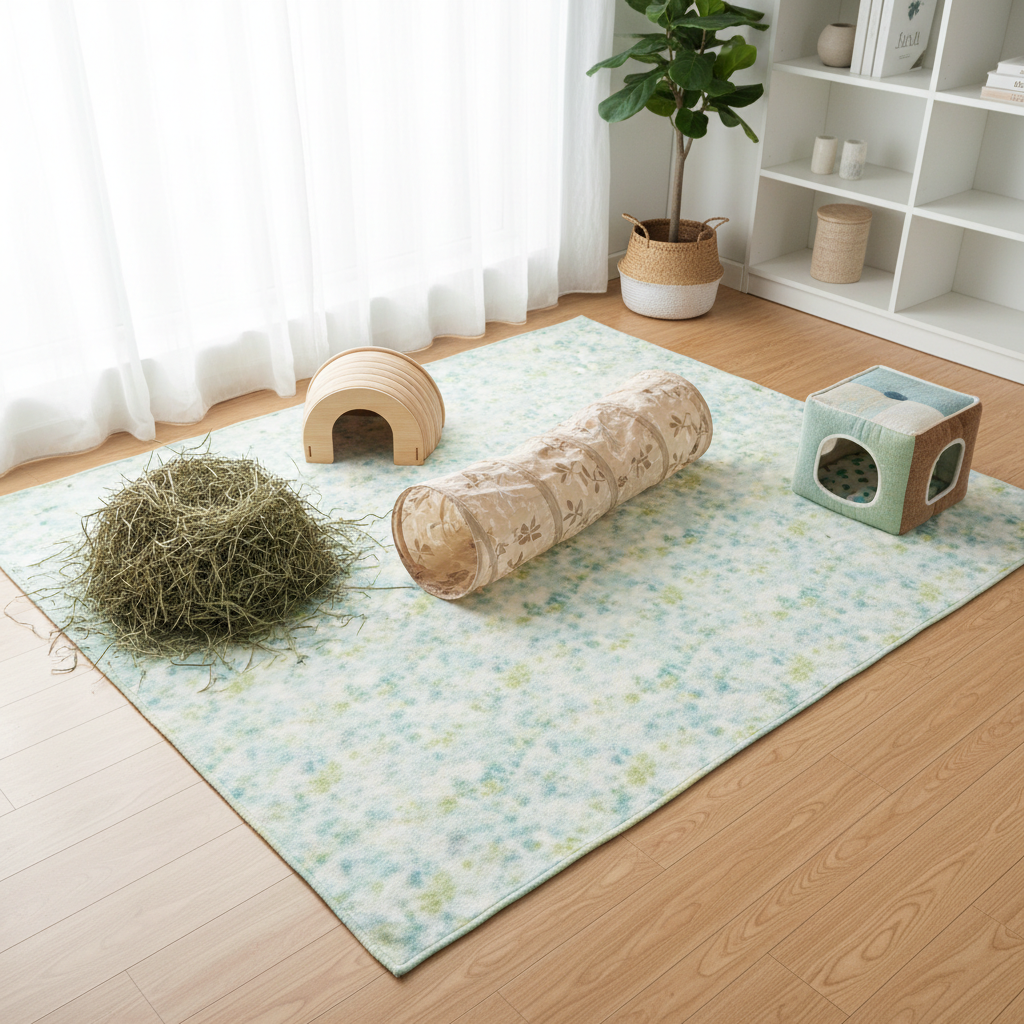
How to set it up for success (easy steps that actually work)
The goal is to make the tunnel feel like an option, not a trap. A few small choices usually change everything.
- Anchor it: place it on fleece, a rug, or a bath mat so it doesn’t skid.
- Create a “cover chain”: tunnel exit points should lead to another hide or a low cover spot.
- Start short: if the tunnel extends, keep it shorter for the first sessions.
- Add a gentle lure: a tiny bit of hay near the entrance often works better than treats.
- Keep noise low: if it’s crinkly, soften the floor under it or choose a quieter style.
If you’re introducing a new guinea pig play tunnel collapsible product, let it air out first. Mild odors from packaging can be a deal-breaker for sensitive noses.
Cleaning, storage, and when to replace a tunnel
Portable tunnels are convenient, but they also move between “clean zone” and “hay zone” quickly. A simple routine keeps smells down and helps your guinea pig keep using it.
Cleaning routine that fits most homes
- After each session: shake out hay and hair, spot-wipe any damp areas.
- Weekly or as needed: wash if machine-safe, or wipe with pet-safe cleaner and dry fully.
- Odor check: if it holds smell after cleaning, it may be time to replace.
Storage tips
- Store fully dry to reduce mildew risk.
- Keep it in a breathable bag or open bin, not sealed with moisture trapped inside.
Replace the tunnel if the frame pokes through, seams split, or your guinea pig starts ingesting fibers. That’s not “normal wear,” it’s a safety issue.
Key takeaways (the short list)
- Stability beats novelty: a steady tunnel gets used more often.
- Roomy is usually better: avoid tight diameters that make pigs hesitate.
- Two exits reduce stress: especially in multi-pig play.
- Cleaning decides long-term value: wipeable or washable wins.
- Introduce gently: quiet setup, grippy base, and a cover-to-cover layout.
Conclusion: a collapsible tunnel is only “good” if your guinea pig trusts it
A guinea pig play tunnel collapsible option can be a simple way to add movement and confidence to daily play, but the best choice is the one that stays stable, cleans easily, and fits how your home actually works.
If you want one action step, set the tunnel on a grippy fleece pad and place a hide at the exit, then give your guinea pig a quiet 10 minutes to explore without pressure. That small setup detail often decides whether it becomes a favorite.
FAQ
What size collapsible tunnel is best for a guinea pig?
Many guinea pigs prefer a tunnel that feels roomy rather than snug, especially if they need to turn around. If you’re between sizes, going slightly larger often avoids hesitation and side-scraping.
Is it okay to use a cat tunnel for guinea pigs?
Sometimes, yes, but inspect it like you’re looking for hazards. Cat tunnels can be crinkly, have dangling toys, or exposed frame edges. Remove attachments and skip anything with small parts your guinea pig could chew off.
Why won’t my guinea pig go into the tunnel?
Common reasons include strong “new product” smell, a slippery floor, or a tunnel that makes loud noise. Try airing it out, placing it on fleece, and positioning a hide at the exit so it feels like part of a safe route.
Can guinea pigs share one tunnel?
They can, but watch the dynamic. Two exits help, and a wider tunnel reduces blocking. If you notice chasing or guarding, add a second tunnel or more hide options to reduce friction.
How do I keep a collapsible tunnel from sliding?
Use a grippy base like a fleece liner or bath mat, or secure the tunnel against a playpen wall. On hardwood, even a small change in traction can make the tunnel feel “safe” to step into.
How often should I wash a fabric tunnel?
It depends on how often it’s used and whether accidents happen. Many households do quick shake-outs after play and wash as needed when odor builds. If you’re unsure about cleaners, a vet or experienced exotic pet professional can suggest safe options.
Are collapsible tunnels safe for baby guinea pigs?
Often, yes, if the tunnel is stable, roomy, and free of strings or gaps that could snag. Supervise early sessions, especially if the tunnel has a spring frame that could pinch if damaged.
If you’re trying to pick a tunnel and want a more “no guesswork” setup, focus on a portable model that stays open without collapsing, wipes clean quickly, and fits your play space, then build a simple cover-to-cover route so your guinea pig feels brave enough to actually use it.