Pet nutrition guidelines often get overlooked when a dog shows separation anxiety, but food timing, portion size, and ingredients can quietly make the behavior harder or easier to manage.
If you’re dealing with whining, pacing, destructive chewing, or potty accidents the moment you grab your keys, you probably want a clear plan, not vague advice. Training and routine matter most, but nutrition can support steadier energy, better sleep, and fewer digestive surprises that add stress.
This guide covers practical signs to watch, what “treatment” usually includes, and where nutrition fits in: a balanced pet diet, realistic portions, and label basics. I’ll also call out common traps, like changing foods too fast or relying on supplements without a plan.
Signs of dog separation anxiety (and what it is not)
Separation anxiety is a distress response to being alone or away from a specific person. It’s different from “my dog is bored” or “my dog is stubborn,” even though the mess looks similar.
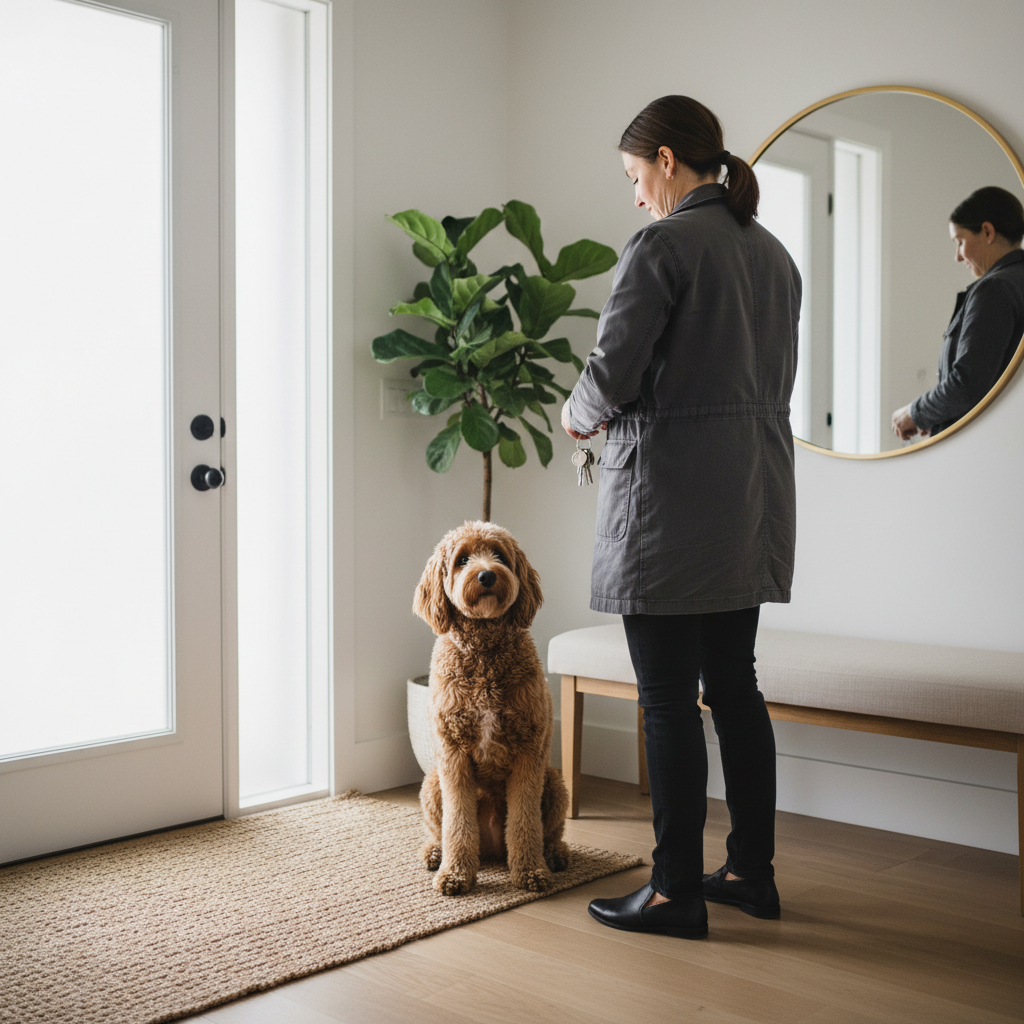
- Pre-departure anxiety: panting, following you room to room, trembling when shoes or keys appear.
- Vocalizing: barking or howling shortly after you leave, often in a pattern.
- Destruction with a theme: doors, windows, blinds, or items that smell like you.
- Elimination indoors: especially if house-trained and it happens when alone.
- Excess drool or self-injury: scratched doors, broken nails, chewed paws.
What it might be instead: incomplete house training, lack of exercise, noise sensitivity, or a medical issue such as GI upset or urinary problems. If symptoms start suddenly, a veterinary check is a smart first filter.
Why nutrition can influence anxiety behaviors
Food won’t “fix” separation anxiety by itself, but it can change the background noise in your dog’s body: hunger, blood sugar swings, stomach discomfort, and restless energy. Those things often show up as pacing, whining, or frantic behavior.
In real homes, these are the nutrition-related patterns that tend to matter:
- Irregular meal timing can amplify anticipation and arousal, especially if meals happen right before departures.
- Overfeeding may reduce comfortable movement and sleep quality, while underfeeding can create frantic scavenging and attention-seeking.
- Fast diet switches can trigger diarrhea or nausea, which looks like “anxiety” when the dog is actually uncomfortable.
- High-calorie treats used for “goodbyes” can unintentionally turn departures into a high-stakes event.
According to the American Veterinary Medical Association (AVMA), separation anxiety is a common behavior concern and typically needs a multi-part approach. Nutrition sits in the “supportive care” lane, not the primary treatment lane.
Quick self-check: are you feeding in a way that may worsen the cycle?
If you want a fast reality check, use this list. You don’t need to “win” every item, but two or three yes answers can explain why training feels stuck.
- You eyeball portions most days, and your dog’s weight creeps up or down.
- Treats make up a noticeable part of daily calories during practice departures.
- Your dog vomits bile, has loose stool, or seems gassy around alone-time windows.
- You recently changed food, protein source, or added toppers.
- Meal time is tightly linked to leaving the house.
- Your dog eats too fast and seems amped afterward.
If GI signs are in the mix, it’s worth discussing with a veterinarian because discomfort can mimic or intensify anxious behavior.
Practical pet nutrition guidelines for anxious households
Here’s the “boring” part that actually helps: consistent portions, steady calories, and a diet that meets recognized standards. The goal is fewer surprises, not a miracle ingredient.
Start with the label: adequacy statement and standards
When you’re doing pet food label reading, look for the nutritional adequacy statement. According to the Association of American Feed Control Officials (AAFCO), foods can be formulated to meet AAFCO nutrient standards for a specific life stage, or feeding trials can substantiate adequacy.
- Choose the correct life stage: growth (puppy/kitten), adult maintenance, or all life stages if appropriate.
- If your dog is a puppy, don’t “adult-food” them early; puppy growth nutrition needs tighter nutrient control.
- If your pet is older, watch for senior pet dietary needs like protein quality, joint support strategies, and calorie control.
Portions: use a chart, then adjust with real-world feedback
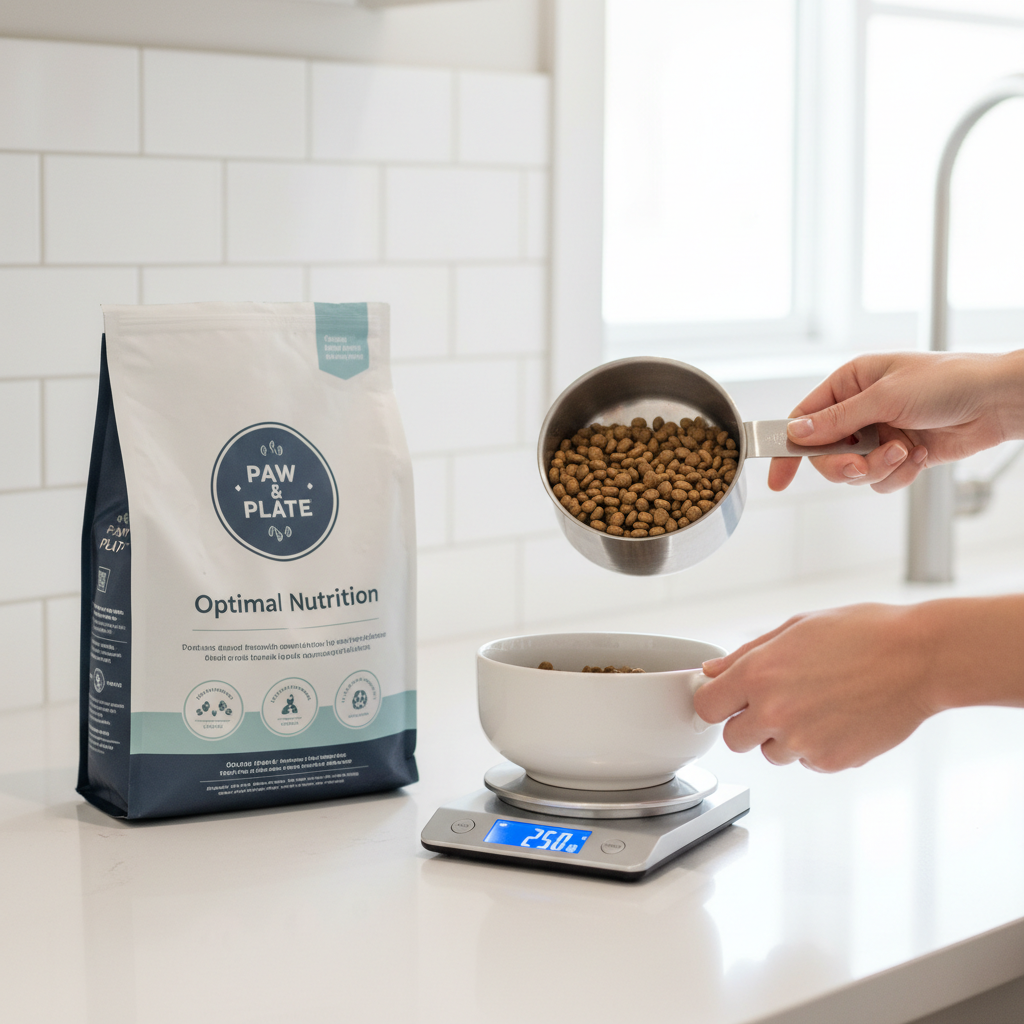
A dog feeding chart by weight on the bag is a starting point, not a verdict. It assumes average metabolism and activity, which anxious dogs sometimes don’t match.
| Pet | Starting point | Adjust by | What to watch |
|---|---|---|---|
| Adult dog | Bag chart for current weight | 5–10% every 1–2 weeks | Body condition, stool, energy |
| Puppy | Puppy-specific guidance | Frequent small changes | Growth rate, rib coverage |
| Adult cat | Target calories + measured portions | Small adjustments | Weight trend, haircoat |
| Senior pet | Lower calories if less active | Conservative changes | Muscle, appetite, hydration |
For cats, cat feeding portions by age can help you avoid the common “free-feeding forever” pattern. Kittens often need more frequent meals; adults typically do better with structured portions, especially in multi-cat homes.
Calorie basics (without overcomplicating it)
Most owners don’t need to hand-calculate everything, but understanding calorie needs for dogs and cats helps you use treats without sabotaging progress. A treat-heavy training plan can quietly add hundreds of calories across a week.
- Pick lower-calorie reinforcers where possible, and keep them small.
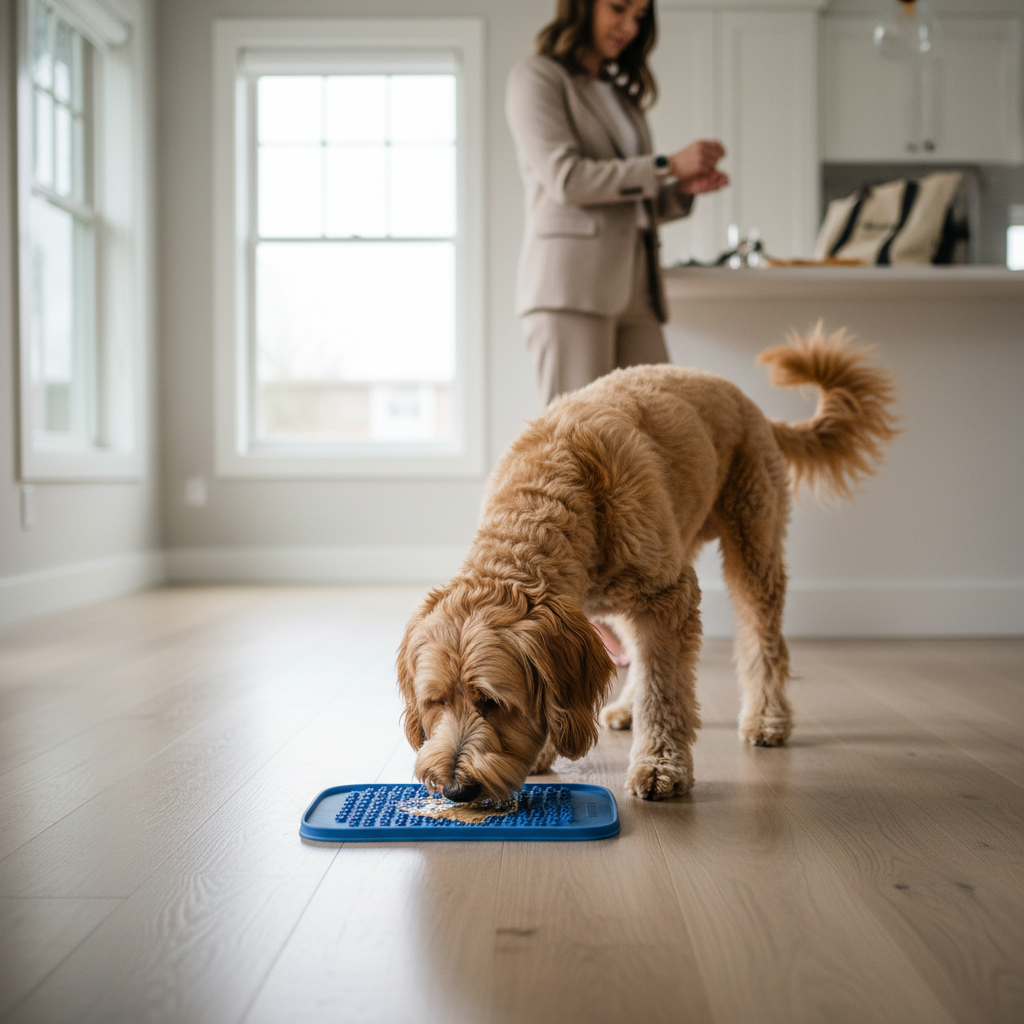
- Count chews, lick mats, and “calming” treats as calories.
- If you add a daily enrichment food item, reduce the main meal slightly to compensate.
Key point: you’re aiming for predictable energy and digestion, so your alone-time training isn’t fighting hunger spikes or tummy drama.
Treatment plan: behavior work first, nutrition supports the system
Most effective “treatment” plans combine environment management, gradual desensitization, and sometimes medication prescribed by a veterinarian. Nutrition fits in as structure and support.
Step-by-step, realistic version
- Management: prevent full panic episodes when possible, because repeated panic can reinforce the fear response.
- Departure cues: practice tiny versions of leaving (shoes on, keys up, sit back down) until cues lose power.
- Alone-time training: very short absences that stay under your dog’s distress threshold, then slowly build duration.
- Nutrition routine: set meal times that don’t spike arousal right at departure; keep portions measured and steady.
- Enrichment feeding: use food puzzles as a calm activity, but only if your dog can eat when you’re gone. Some anxious dogs won’t touch food during distress, and that’s useful information.
According to the American Kennel Club (AKC), separation anxiety training typically emphasizes gradual alone-time conditioning rather than “letting them cry it out,” which can backfire for many dogs.
Homemade diets and supplements: where people often slip
When anxiety is loud, it’s tempting to overhaul everything at once. That’s usually where good intentions create new problems.
Homemade pet food safety
Homemade pet food safety is mainly about completeness and consistency. Many homemade recipes miss key nutrients, even when the ingredient list looks wholesome. According to the U.S. Food & Drug Administration (FDA), pet food safety includes preventing contamination and ensuring appropriate nutrition, and diet changes should be handled carefully.
- If you want homemade, consider a board-certified veterinary nutritionist for a recipe that matches your pet’s life stage and medical needs.
- Transition slowly over 7–10 days in many cases, unless your veterinarian advises otherwise.
Pet supplement considerations
Pet supplement considerations matter because “natural” doesn’t always mean low-risk. Some calming products may interact with medications or cause GI upset, which can add to the problem.
- Bring the exact product label to your veterinarian, not just the brand name.
- Introduce one new item at a time, so you can tell what helps and what hurts.
- Stop and reassess if appetite drops, stool changes, or sedation seems excessive.
Common mistakes that slow progress (and what to do instead)
- Using food only at goodbyes: it can turn departures into a dramatic event. Try using enrichment at random calm moments too.
- Portions drift over time: measure for two weeks, then check weight and body condition, adjust modestly.
- Switching brands repeatedly: if stool and appetite stay stable, give your plan time. Churn often creates more GI noise.
- Ignoring life stage: puppies and seniors are less forgiving. Their nutrition margins are tighter.
Quick rule: if you change training, schedule, food, and supplements in the same week, you lose the ability to learn what actually worked.
When to seek professional help
Separation anxiety can escalate, and some dogs injure themselves trying to escape. If you see self-harm, nonstop panic, or sudden behavior change, it’s time to get help.
- Talk to your veterinarian to rule out medical issues and discuss whether medication might be appropriate.
- Consider a credentialed behavior professional for a structured plan, especially if alone-time training has stalled.
- If diet complexity is high, ask about referral to a veterinary nutritionist, particularly for homemade diets or multiple conditions.
Conclusion: keep the plan simple, consistent, and measurable
Separation anxiety treatment usually rises or falls on training consistency, but nutrition can either support that work or quietly sabotage it. Use measured portions, pick foods that align with recognized standards, and keep treat calories honest, then give your dog a routine that feels predictable.
If you want one next step today, choose a portion strategy you can stick with for two weeks, then pair it with short, successful alone-time sessions. Small wins add up faster than big changes that your dog can’t handle yet.
Key takeaways
- Pet nutrition guidelines won’t replace behavior therapy, but they can reduce hunger spikes, GI upset, and energy swings.
- Use a feeding chart as a starting point, then adjust based on body condition and trends.
- Check the AAFCO adequacy statement, match life stage, and avoid rapid diet churn.
- Be cautious with supplements and homemade diets, and involve a professional when stakes are higher.
FAQ
Can diet cause separation anxiety in dogs?
Diet usually doesn’t “cause” separation anxiety on its own, but poor fit or inconsistent feeding can worsen restlessness, GI discomfort, and sleep disruption. That extra stress can make behavior work harder.
Should I feed my dog right before I leave to keep them calm?
Sometimes yes, sometimes no. A small, routine snack can help some dogs settle, but for others it makes departures more emotionally charged. Test it on low-stakes practice departures and watch whether arousal rises or falls.
How do I know if I’m overfeeding during training?
If treat volume feels “small” but weight creeps up, you’re probably over budget on calories. Measure the main meal for a week and subtract an estimated portion for training treats to keep intake stable.
What should I look for on a pet food label if my dog is anxious?
Start with the nutritional adequacy statement and life-stage match, then look for a consistent calorie statement so you can portion accurately. Ingredient lists matter, but adequacy and calories drive day-to-day results.
Are calming supplements safe for dogs?
Some are tolerated well, others cause sedation or stomach upset, and interactions are possible depending on medications. It’s safer to review specific products with a veterinarian, especially if symptoms are severe.
Can a balanced pet diet help my cat’s stress when I’m away too?
Yes, structure helps many cats. Measured meals, age-appropriate portions, and predictable feeding routines can reduce stress behaviors, though environmental enrichment often matters just as much.
Is homemade food better for anxiety?
Not automatically. Homemade can work, but nutritional gaps or inconsistent preparation can create new health stressors. If you go that route, professional formulation is the safer path.
When is separation anxiety serious enough for medication?
If your dog panics, can’t eat during absences, injures themselves, or fails to improve with careful training, medication may be part of a humane plan. A veterinarian should guide that decision.
If you’re trying to follow pet nutrition guidelines but portions, labels, life-stage needs, and treat calories feel like too many moving parts, it may help to get a simple feeding plan from your vet or a qualified nutrition professional so your training work has a calmer foundation.