
Pet first aid tape for wound care is meant to keep a dressing in place and protect a minor injury, but the wrong tape or a too-tight wrap can irritate skin or even restrict circulation. If you have ever watched a bandage slide off five minutes after you finished, you already know why this matters.
This guide breaks down what different tapes actually do, how to choose one for your dog or cat, and how to apply it in a way that stays put without turning into a sticky mess. I will also flag the moments where home care stops being “handy” and starts being risky.
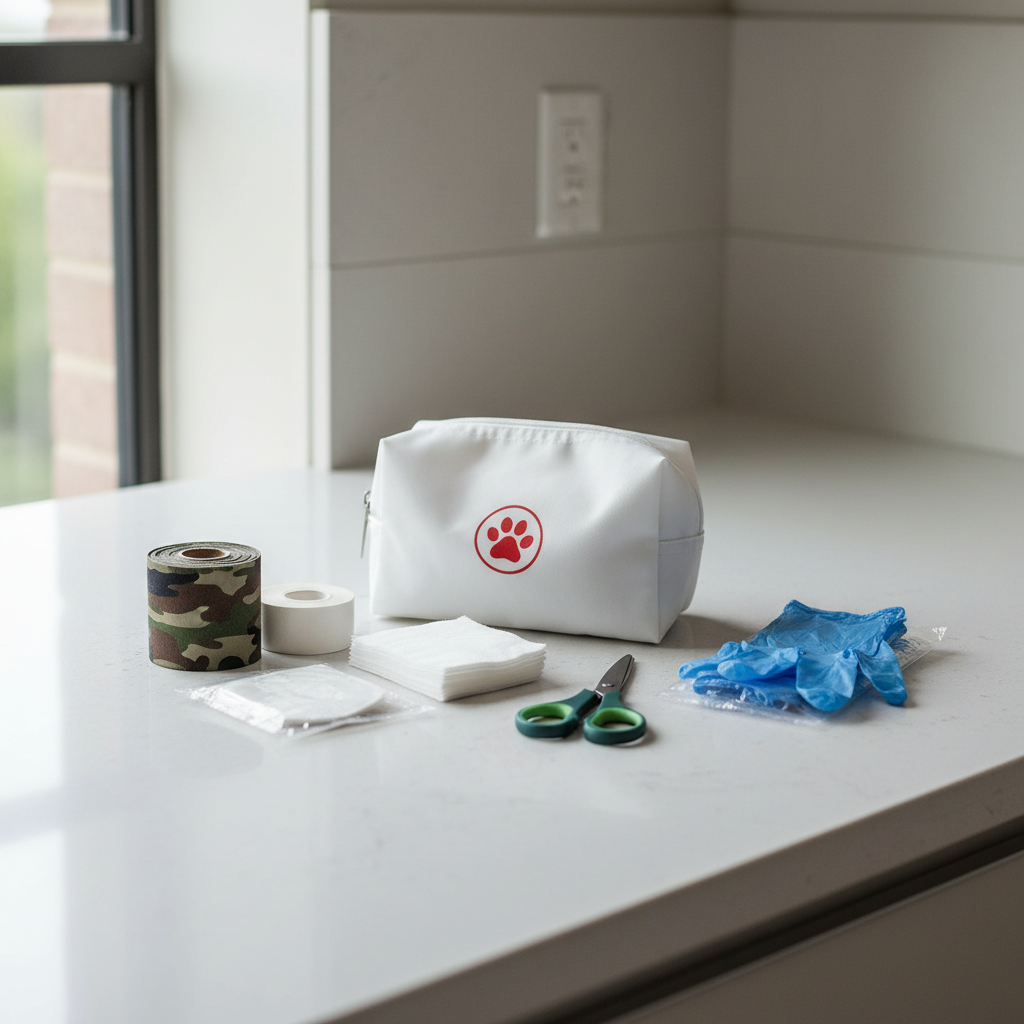
One quick mindset shift helps: tape is usually not the “treatment”, it is the tool that protects treatment, like holding gauze in the right spot so the body can do its part. If a wound looks worse day by day, tape choice will not fix that, and a veterinarian may need to see it.
What “pet first aid tape” usually means (and what it is not)
In the U.S., people use “pet first aid tape” to refer to a few different products. They can work well, but they are not interchangeable.
- Cohesive bandage wrap (self-adhering wrap): sticks to itself, not fur. Great for holding gauze, easy to remove, common in pet kits.
- Medical cloth tape: adhesive tape that sticks to skin, hair, or bandage material. Useful in controlled areas, but can pull fur and irritate skin.
- Paper tape: gentler adhesive, lower holding power. Sometimes useful for short-term, low-stress placements.
- Elastic adhesive bandage: can grip strongly and compress. Effective, but easier to over-tighten, so it demands caution.
What it is not: duct tape, electrical tape, or super sticky packaging tape. In real life people grab what is nearby, but those options often leave residue, rip fur, trap moisture, and complicate cleaning.
How to choose the right tape for the wound and body area
Choosing pet first aid tape for wound care goes smoother when you decide based on location, activity level, and what you are trying to hold in place.
Quick match guide
| Need | Often works well | Watch-outs |
|---|---|---|
| Hold gauze on a leg/paw | Cohesive wrap over padding | Too tight can reduce circulation |
| Secure the end of a wrap | A small tab of medical tape | Adhesive on fur can hurt on removal |
| Low-irritation, short wear | Paper tape (limited hold) | May loosen quickly with movement |
| Heavy activity, bandage keeps slipping | Cohesive wrap + better padding and fit | More wrap is not the same as better fit |
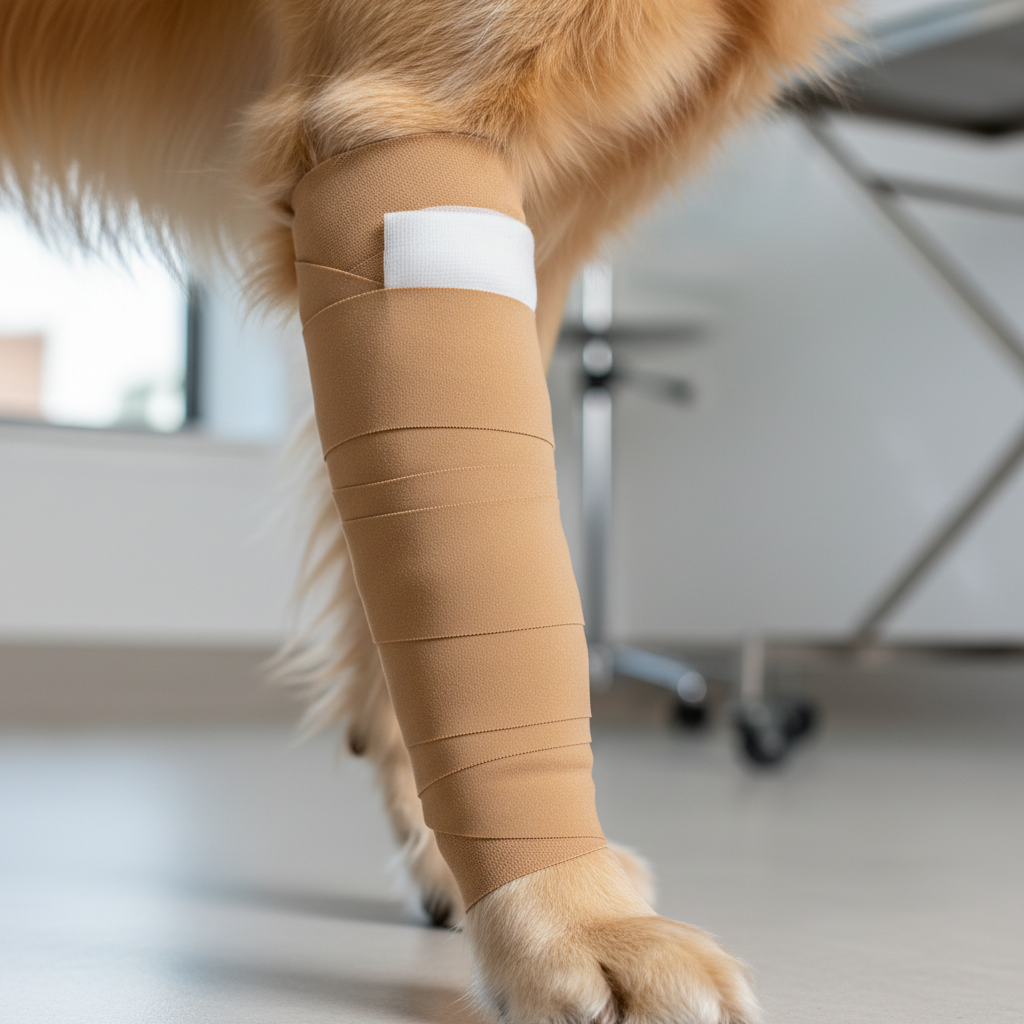
For many pets, cohesive wrap becomes the default because it avoids adhesive on fur. Still, “self-sticking” can create a false sense of safety, because you can overwrap just as easily as with anything elastic.
If your pet has a history of skin allergies, hot spots, or very thin skin, lean gentler and keep wear time shorter. When in doubt, ask a vet clinic which tape they prefer for your pet’s coat and skin type.
Fast self-check: is home bandaging even appropriate here?
Before you reach for tape, take ten seconds and run this quick screen. Many bandage failures are really “wrong situation” failures.
- Bleeding will not stop after steady pressure for several minutes, or blood soaks through layers quickly
- Deep puncture, bite wound, or unknown object caused it
- Exposed tissue, gaping edges, or you can see fat/muscle
- Face, eye, ear canal, genitals, or any spot where wrapping is awkward
- Strong odor, pus, heat, swelling, or worsening pain
- Limping, lethargy, feverish behavior, or your pet will not let you touch the area at all
According to the American Veterinary Medical Association (AVMA), prompt veterinary attention is important when an animal is seriously injured or in distress, and first aid is not a replacement for veterinary care. If your gut says “this is more than a scrape,” it often is.
Step-by-step: applying pet first aid tape for wound care (so it stays put)
Pet first aid tape for wound care works best as part of a small system: clean wound, non-stick layer, padding, then wrap, then a small amount of tape only if needed.
1) Prep the area (quick, not perfect)
- Use clean hands or gloves if available.
- If the wound is minor and you have saline, a gentle rinse helps remove debris.
- Trim fur only if it is easy and safe, do not shave aggressively because micro-nicks can irritate skin.
2) Put on the dressing layers in the right order
- Non-stick pad on the wound surface helps prevent tearing on removal.
- Gauze padding adds bulk so the wrap grips the padding, not the limb.
- Cohesive wrap goes over gauze with light tension.
3) Wrap with “two-finger” thinking
- Overlap each turn about half the wrap width.
- Avoid pulling hard, especially on small legs and paws.
- As a rough check, you should often be able to slip a fingertip under the edge, and toes should remain warm and normal color.
4) Use adhesive tape sparingly
- If the end keeps lifting, add a small tab of medical tape on the wrap itself, not straight onto fur.
- If you must tape near fur, consider placing tape on top of wrap and folding the sticky sides to make a “non-stick pull tab.”
After wrapping, watch your pet for a minute. If they immediately chew, kick, or panic, it may not be tolerable, and forcing it can make the wound worse.
Keeping the bandage clean, dry, and safe at home
The best wrap job can fail because real life happens: wet grass, litter boxes, slobber, and a dog who decides the bandage is enemy number one.
- Check at least twice daily: swelling above or below the wrap, cold toes, discoloration, new odor, or dampness.
- Keep it dry: for brief outdoor potty breaks, a temporary boot cover can help, but do not trap moisture for long periods.
- Stop licking/chewing: an e-collar is often more effective than “extra tape.”
- Change schedule: many minor dressings need regular changes; if you cannot keep it clean, it may be better to remove and get professional guidance.
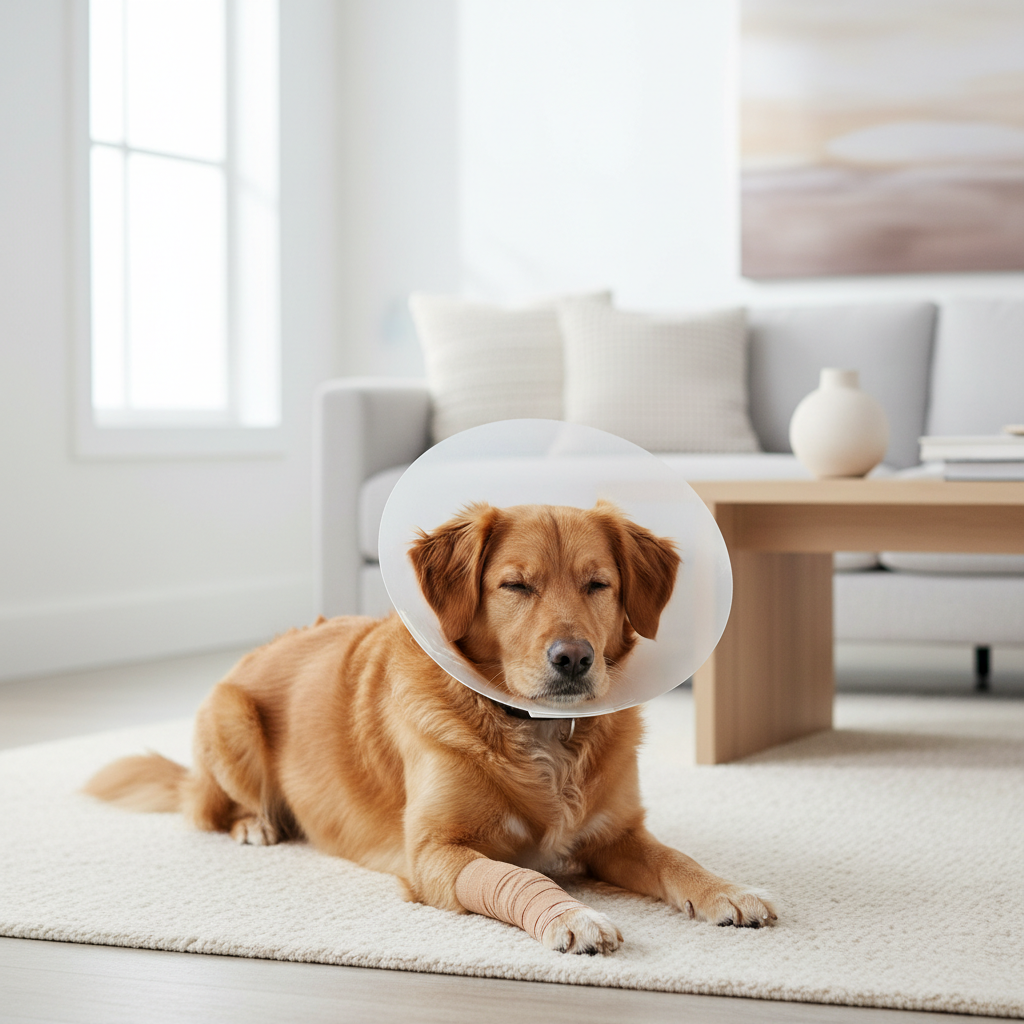
If a bandage smells bad, turns wet, or slides and bunches, treat that as a “change it now” signal, not a “maybe tomorrow” situation. Trapped moisture can soften skin and raise infection risk.
Common mistakes that cause slipping, irritation, or swelling
Most tape complaints come down to a few patterns. Fix these and your results usually improve fast.
- Wrapping directly on fur with adhesive: it pulls, mats, and creates stress for both of you during removal.
- Not enough padding: cohesive wrap grips best over bulk; without gauze padding it tends to slide.
- Over-tightening “to make it stay”: this is the big one. A snug wrap can still allow swelling, and swelling inside a wrap becomes a problem quickly.
- Leaving it on too long: even a well-placed bandage can rub and create pressure points.
- Using ointment under a fully sealed wrap: some products trap moisture; if your vet recommended an ointment, ask how to bandage over it.
Also, paws are notoriously hard. Movement, toe spread, and floor contact all fight you. Sometimes the real solution is a better bandage technique, not a stickier tape.
When to call a vet (or urgent care) instead of adjusting tape again
If you are re-wrapping for the third time in a day, it is fair to ask whether the wound needs a different plan. A clinic can place a more secure bandage, check circulation, and treat underlying issues that tape cannot solve.
- Toes become cold, pale, blue, or very swollen
- Your pet shows increasing pain, cries when touched, or suddenly will not bear weight
- There is pus, a bad smell, spreading redness, or the wound looks larger
- You suspect a bite, puncture, or foreign body such as a thorn or glass
- Your pet has diabetes, immune issues, or takes steroids, because healing patterns can differ
According to the American Animal Hospital Association (AAHA), pet first aid is meant to provide temporary help until professional care is available, and owners should seek veterinary attention when injuries may be serious. If you feel unsure, that is already a decent reason to call.
Key takeaways you can use today
- Cohesive wrap is often the easiest “pet-friendly” option because it avoids adhesive on fur, but tension still matters.
- For pet first aid tape for wound care, the dressing layers and padding usually matter more than buying a stronger tape.
- Check circulation and moisture, and do not ignore chewing, swelling, or odor.
- If the wound is deep, dirty, or worsening, home bandaging can delay the care your pet needs.
Conclusion: a safer way to think about tape and bandages
Pet first aid tape for wound care is most useful when you treat it as a gentle “holder” for clean dressings, not as a forceful tool to control a complicated injury. When the wrap stays clean, dry, and comfortable, you buy your pet time to heal, and you buy yourself peace of mind.
If you want one simple next step, stock cohesive wrap, non-stick pads, gauze, and blunt-tip scissors, then practice a light wrap on a calm day so the first attempt is not during a stressful moment. And when anything looks off, call your vet, they would rather answer a question early than treat a bigger problem later.
FAQ
What is the best type of pet first aid tape for wound care at home?
For many households, cohesive self-adhering wrap is the most forgiving because it sticks to itself, not fur, and removal is usually easier. Still, it needs padding underneath and light tension to stay safe.
Can I use human medical tape on my dog or cat?
Sometimes, yes, but adhesive tapes can pull fur and irritate skin, especially on cats and double-coated dogs. If you use it, try to tape onto the bandage material rather than directly onto fur.
How tight should a bandage be on a pet?
Snug enough that it does not slide, loose enough that toes stay warm and normal color and swelling does not build. If you see swelling above or below the wrap, remove it and consider veterinary advice.
How often should I change a wound dressing on a pet?
It depends on wound type and moisture level, but if the bandage gets wet, dirty, or smelly, change it sooner rather than later. When you are unsure, a vet clinic can recommend a schedule based on the injury.
Why does my pet keep licking or chewing the bandage?
It can be irritation, discomfort, trapped moisture, or simply annoyance at something new. An e-collar is often more effective than adding more tape, and persistent chewing can mean the wrap is too tight or the wound is painful.
Is it okay to cover a hot spot with tape and wrap?
Many hot spots benefit from airflow and appropriate topical treatment, so fully sealing them can sometimes make things worse. It is usually better to check with a veterinarian before bandaging a suspected hot spot.
What should I do if the bandage slips off overnight?
Remove any loose material so it does not tangle or tighten, then re-dress with more padding and a better-fitting wrap. If slipping keeps happening, a vet tech can show you a more secure technique for that body area.
If you are building a pet first aid kit and want a simpler routine, focus on a small set of bandaging basics you can apply confidently, then ask your veterinary clinic which tape and wrap style fits your pet’s coat and common injury risks in your area.