
small pet carrier bag breathable mesh is usually the first thing people search when their pet runs hot, pants in the car, or fights the zipper the moment you head out the door.
Breathable mesh sounds simple, but the real-world difference comes down to details: how much mesh coverage you get, whether airflow stays decent when the bag is on your body, and if the mesh can handle claws without turning into a snagged mess after two trips.
This guide breaks down what “breathable” actually means for small pet carriers, how to choose the right size for your cat or small dog, and a few setup habits that can make travel feel less stressful for both of you.
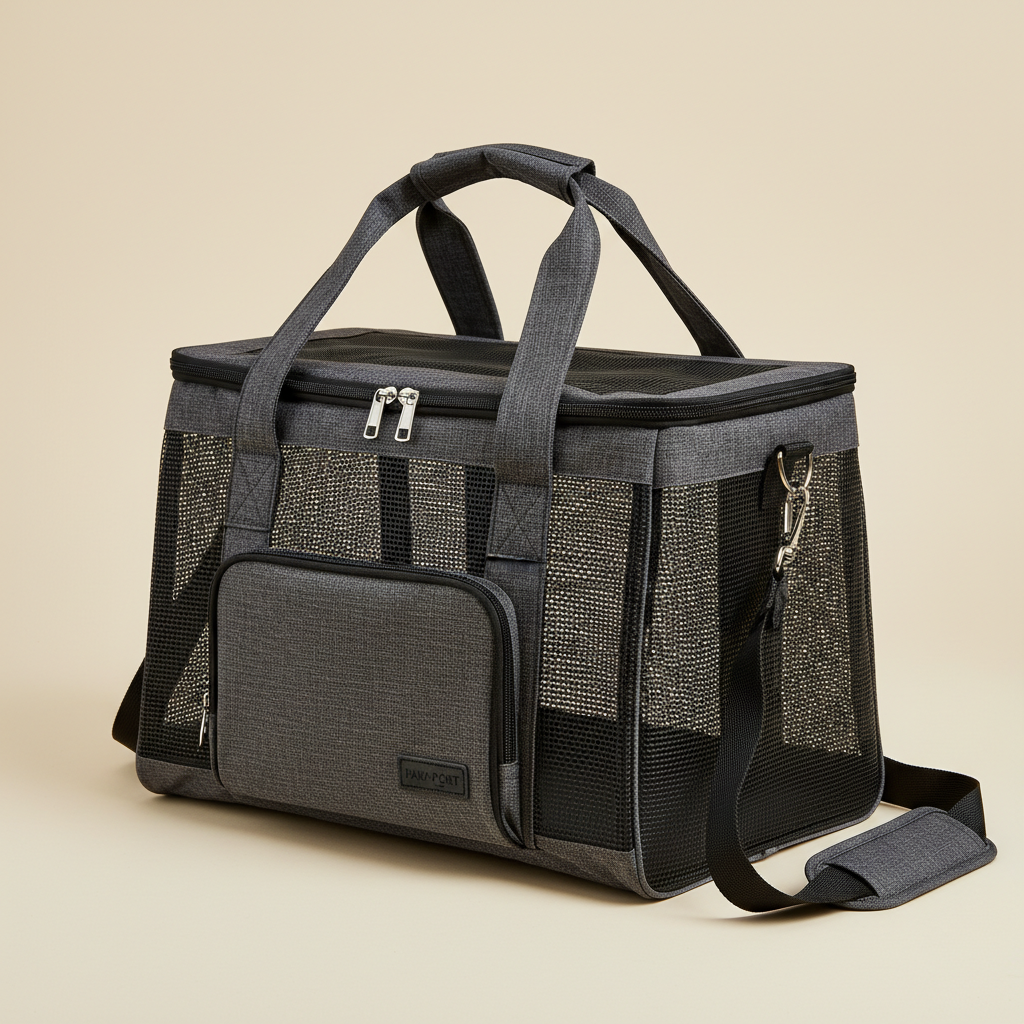
Why breathable mesh matters more than most features
People often shop carriers by looks or price, then realize the “cute bag” turns into a hot box. Mesh matters because it affects comfort, visibility, and how quickly stress escalates.
- Heat and humidity: In many situations, pets heat up fast in enclosed spaces, especially in warm climates, parked cars, and crowded terminals.
- Anxiety control: Many cats and small dogs settle faster when they can see out, as long as they still have a darker “hide” area.
- Odor and cleanup: Better ventilation tends to reduce trapped smells, though it won’t replace washable liners.
According to the American Veterinary Medical Association (AVMA), safe pet travel includes proper restraint and avoiding leaving animals in parked vehicles; ventilation plays into both comfort and safety, but it’s not a substitute for temperature control.
Common reasons a “breathable” carrier still feels stuffy
Not every mesh panel performs the same. A small pet carrier bag breathable mesh can still trap heat if the rest of the design blocks air exchange.
- Mesh only on one side: If airflow has no exit path, it’s more like a window than ventilation.
- Mesh pressed against clothing: Crossbody carry looks convenient, but your hoodie can cover the mesh and reduce airflow.
- Dark colors in sun: Black fabric absorbs heat quickly; this shows up during outdoor waits.
- Overstuffed fit: If your pet can’t shift position, they can’t move away from warm spots.
- Low-quality weave: Some mesh is “breathable” on paper but too tight to move air well.
Quick self-check: is your current carrier working for your pet?
If you already own a carrier, run this simple check before buying another. You’re looking for patterns, not perfection.
- Your pet pants or drools quickly even in mild temperatures.
- The inside smells “trapped” after short rides, even when bedding is clean.
- Claws frequently catch on the mesh, or you see runs and fraying.
- Your pet constantly tries to press their face against the mesh to breathe.
- The carrier collapses inward when lifted, making the interior feel tighter.
If you check two or more, it often means the design or sizing needs adjustment, not necessarily that your pet “hates carriers.”
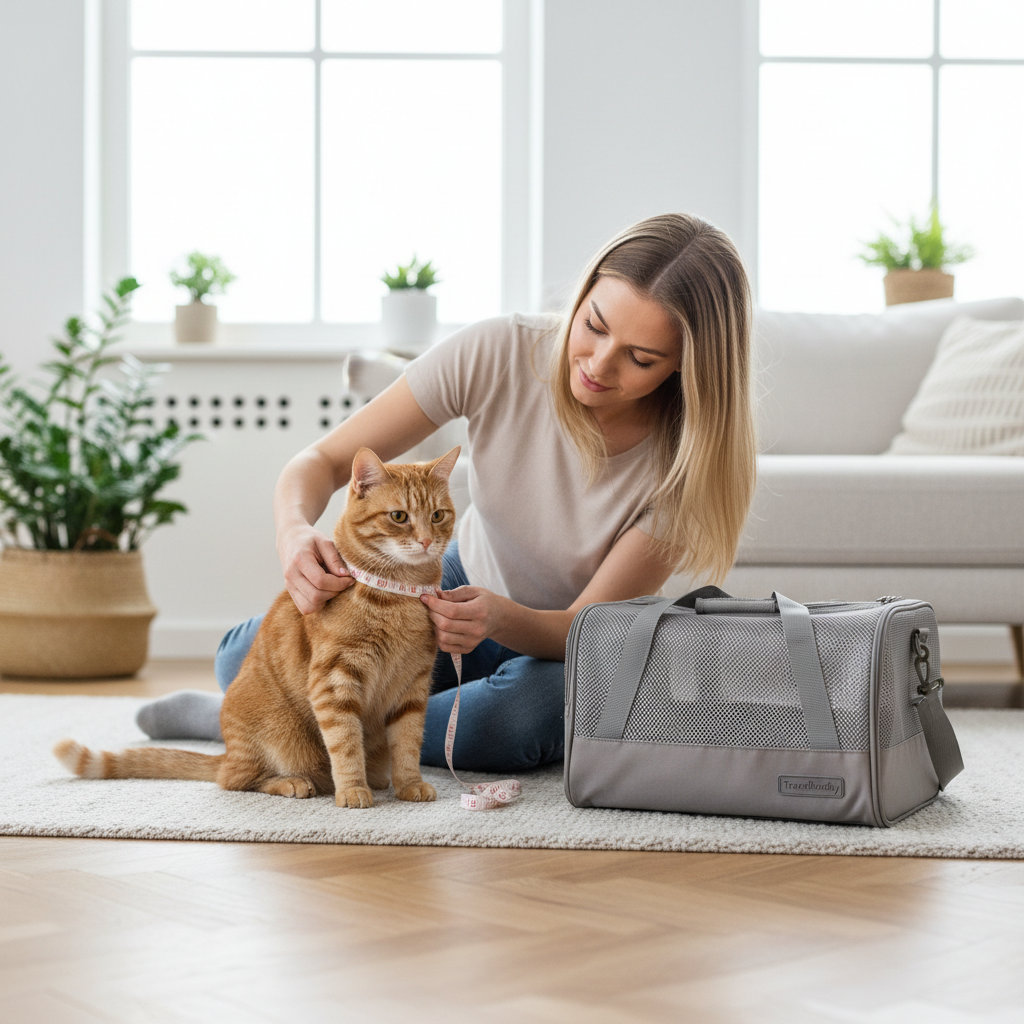
How to choose the right size and structure (without overthinking it)
Breathability helps, but sizing prevents the biggest problems: panic, overheating, and awkward posture. A good rule is “stand, turn, and settle,” though exact needs vary by breed and body shape.
Fit basics that translate well in real life
- Length: nose to base of tail, then add a small comfort margin.
- Height: floor to top of shoulders (standing), so they aren’t crouched the whole trip.
- Weight rating: treat as a guidance number, not a guarantee; structure quality matters.
Structure features that keep mesh useful
- Semi-rigid frame: keeps mesh from collapsing onto your pet’s face.
- Multiple mesh panels: ideally two sides plus a top panel for cross-ventilation.
- Privacy option: a roll-down flap can help nervous pets, as long as it doesn’t block all airflow.
- Stable base: removable, firm bottom insert reduces sagging and stress.
Breathable mesh vs. other materials: what to expect
If you’re comparing styles, this table helps you predict tradeoffs. The “best” choice depends on climate, trip length, and how your pet reacts to visibility.
| Material / Design | Ventilation | Durability | Best for | Watch-outs |
|---|---|---|---|---|
| Breathable mesh panels (soft-sided) | High (if multi-panel) | Medium | Car rides, errands, mild flights | Claw snags, fabric collapse if frame is weak |
| Hard plastic carrier with vents | Medium | High | Vet visits, nervous chewers | Heavier, less cozy, airflow varies by vent design |
| Canvas-heavy soft carrier (small mesh windows) | Low to Medium | Medium to High | Cold weather, pets that need darkness | Can feel stuffy; monitor heat and panting |
| Backpack carrier with mesh | Medium to High | Medium | Walking, commuting | Your back blocks airflow; balance and posture matter |
Practical setup: making a small mesh carrier feel calmer and safer
This is where most people get results fast. The carrier can be decent, but the setup makes it usable.
Do this before travel day
- Leave it out at home with the door open, so it stops being a “trap.”
- Add a washable liner with familiar scent, thin enough to not block airflow.
- Practice short “in-and-out” moments, then stop before your pet spirals.
Do this on travel day
- Keep the interior cool and dry; skip thick blankets in warm weather.
- Carry the bag so mesh panels aren’t smashed against your body.
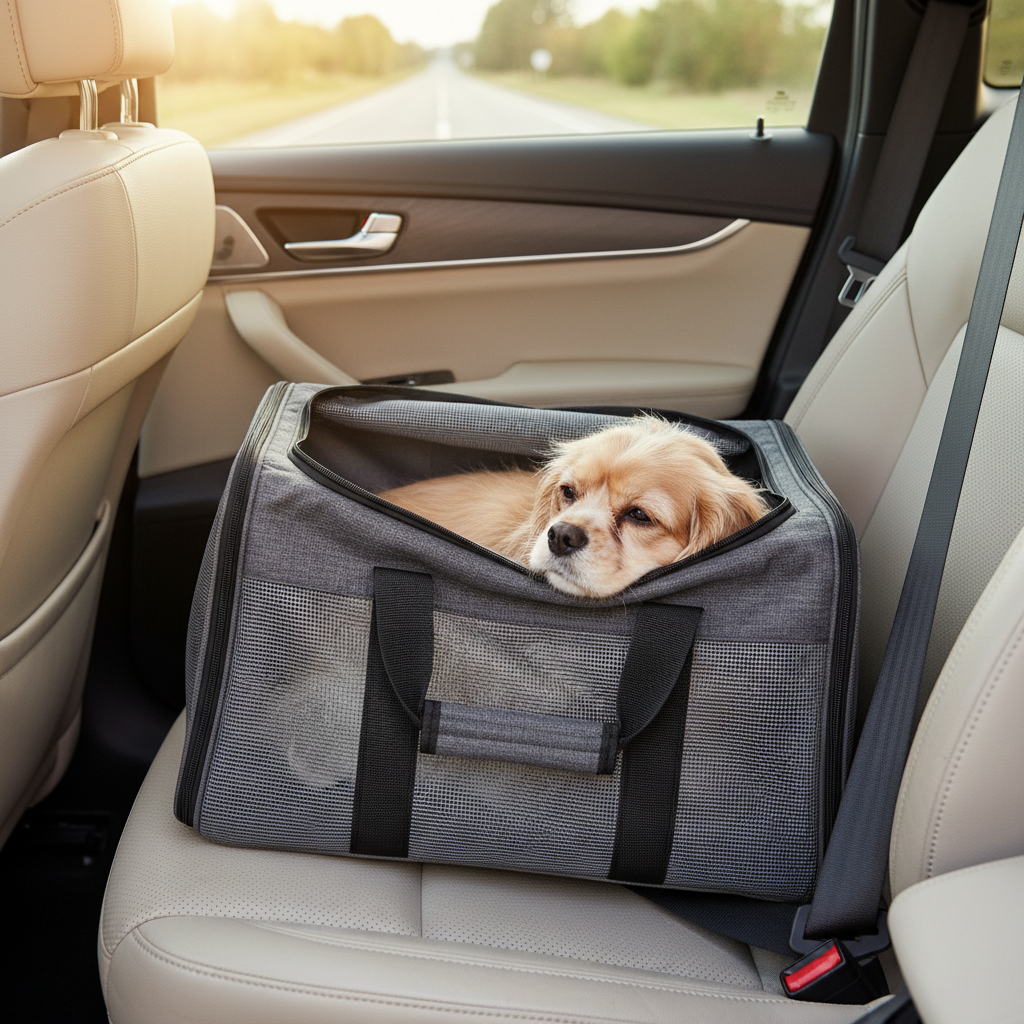
- In the car, secure the carrier so it doesn’t slide; sudden movement ramps up stress.
According to the American Kennel Club (AKC), safe car travel typically involves proper restraint and preventing pets from moving freely in the vehicle; a stable carrier setup supports that goal.
Mistakes to avoid (these waste money and stress your pet)
A few common buying and usage mistakes explain most “this carrier didn’t work” stories.
- Buying for weight only: two pets can weigh the same and fit completely differently.
- Ignoring zipper quality: weak zippers fail at the worst time, and repairs rarely hold.
- All-mesh with no cover: some pets get overstimulated when every side is exposed.
- Assuming airline-friendly means universal: each airline can interpret sizing differently, and soft carriers compress in practice.
- Over-relying on ventilation: mesh helps, but heat risk still exists; if your pet shows distress, stop and reassess.
When to ask a vet or a trainer for help
If your pet’s travel stress looks intense, switching to a small pet carrier bag breathable mesh might improve comfort, but it may not solve the root issue. Consider professional help if you notice:
- Heavy panting, drooling, or weakness that seems out of proportion to temperature or activity
- Panic behaviors like biting the mesh, clawing nonstop, or injuring nails
- Motion sickness signs: repeated vomiting, extreme salivation, refusal to enter the carrier
According to the American Animal Hospital Association (AAHA), behavior and medical factors can overlap; a veterinarian can help rule out health issues and discuss calming strategies that fit your pet’s history.
Key takeaways (so you can decide fast)
- A breathable mesh carrier works best when it has multi-panel ventilation and a frame that holds shape.
- Fit matters as much as airflow; aim for stand, turn, settle comfort.
- Setup wins: familiar liner, practice sessions, and carrying position often reduce stress.
- If symptoms look extreme or sudden, it’s smarter to consult a vet than to keep experimenting with gear.
Conclusion: A small pet carrier bag breathable mesh is a solid choice for everyday errands and many travel situations, but the “right one” is the model that stays structured, ventilates from more than one side, and fits your pet’s body and temperament. Pick the carrier with the fewest compromises for your most common trips, then spend a little time on conditioning, that part tends to pay off quickly.
If you’re shopping today, measure your pet, check mesh coverage and frame stiffness, and confirm how you’ll carry it so airflow stays open, those three steps prevent most regrets.