
Best dog boots for hot pavement means one thing in real life: boots that your dog will keep on, that won’t trap heat, and that actually protect paw pads from scorching sidewalks.
If you’ve ever watched your dog start “hot-footing” on a sunny walk, you already know why this matters, paw pad burns can happen fast, and they’re miserable to heal. Boots aren’t the only option, but when you need pavement protection, they’re often the most practical.
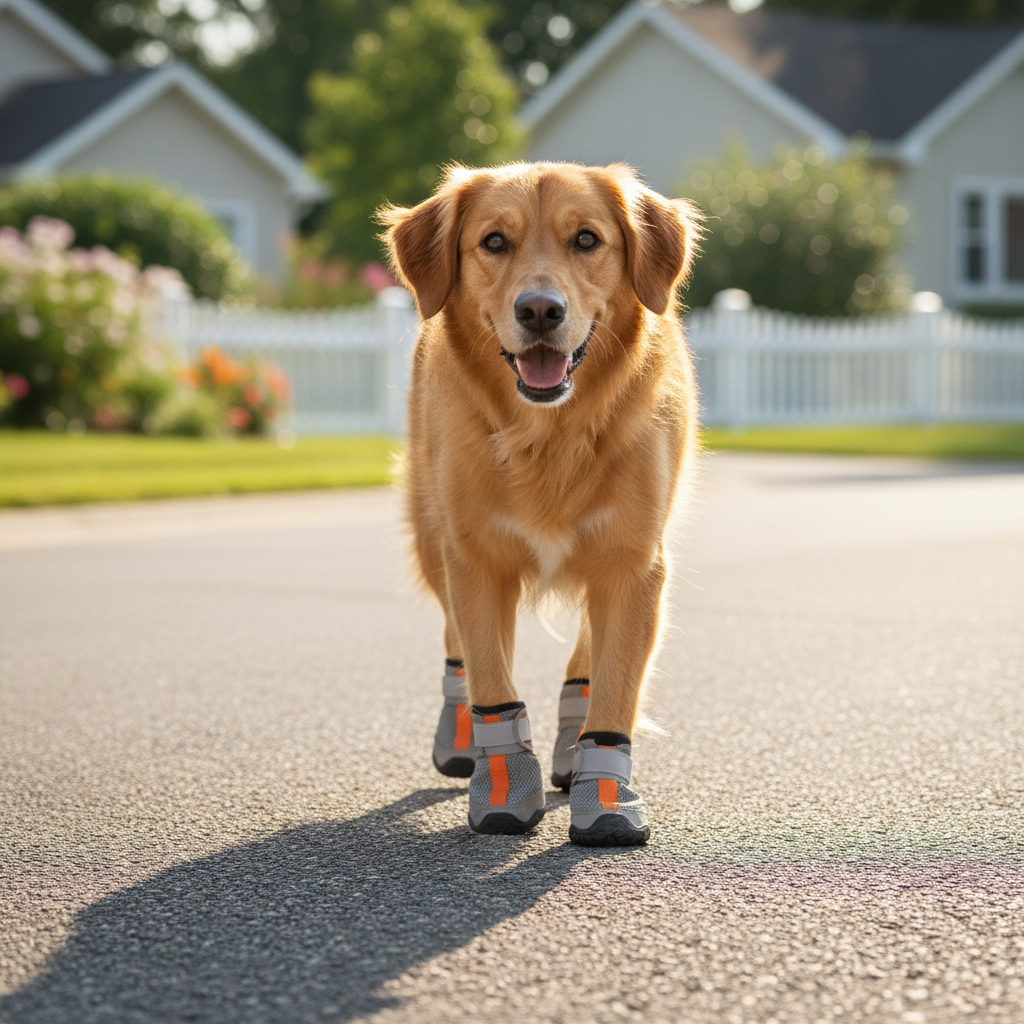
The tricky part is that “best” depends on your dog’s gait, paw shape, and how hot and how long you’re out. Some boots excel at grip but run warm, others breathe well but wear down quickly. This guide helps you choose with fewer returns and less sidewalk drama.
What makes pavement dangerous for paws (and when boots really help)
Hot pavement isn’t just uncomfortable, it can injure the outer layer of the paw pad, especially on blacktop and darker concrete. Temperature, sun angle, wind, and how long your dog stands still all change the risk.
According to the American Veterinary Medical Association (AVMA), hot surfaces can burn paw pads and pets should be kept off hot pavement when possible. That’s the baseline safety message, avoid the heat when you can, protect when you can’t.
- High-risk moments: midday errands, long street crossings, waiting at intersections, sitting on patios with dark flooring.
- Higher-risk dogs: seniors, short-legged breeds close to the ground, dogs with thin pads, dogs recovering from allergies or cuts.
- When boots are especially useful: city walking, apartment potty breaks, travel days, rehab walks where you can’t shorten time outside.
Quick self-check: do you need dog boots or a different strategy?
Before buying anything, decide if you’re solving a “surface temperature” problem, a “distance and wear” problem, or a “grip” problem. Lots of people buy thick winter boots for summer heat and end up with sweaty paws and a dog that refuses to move.
- Your dog lifts paws, hesitates, or tries to walk on grass strips only
- Paw pads look pinker than normal after walks, or your dog licks feet more at night
- You can’t change walk times, and shade routes aren’t realistic
- You need protection for short bursts, like crossing a parking lot
If you check two or more, boots might be the right move. If it’s only occasional, sometimes a timing change, shorter loops, or carrying your dog across the hottest stretch does more than gear.

How to choose the best dog boots for hot pavement (the features that matter)
Here’s the honest short list: outsole, upper material, closure, and how the boot fits your dog’s actual paw shape. Everything else is secondary.
Outsole: heat barrier plus traction
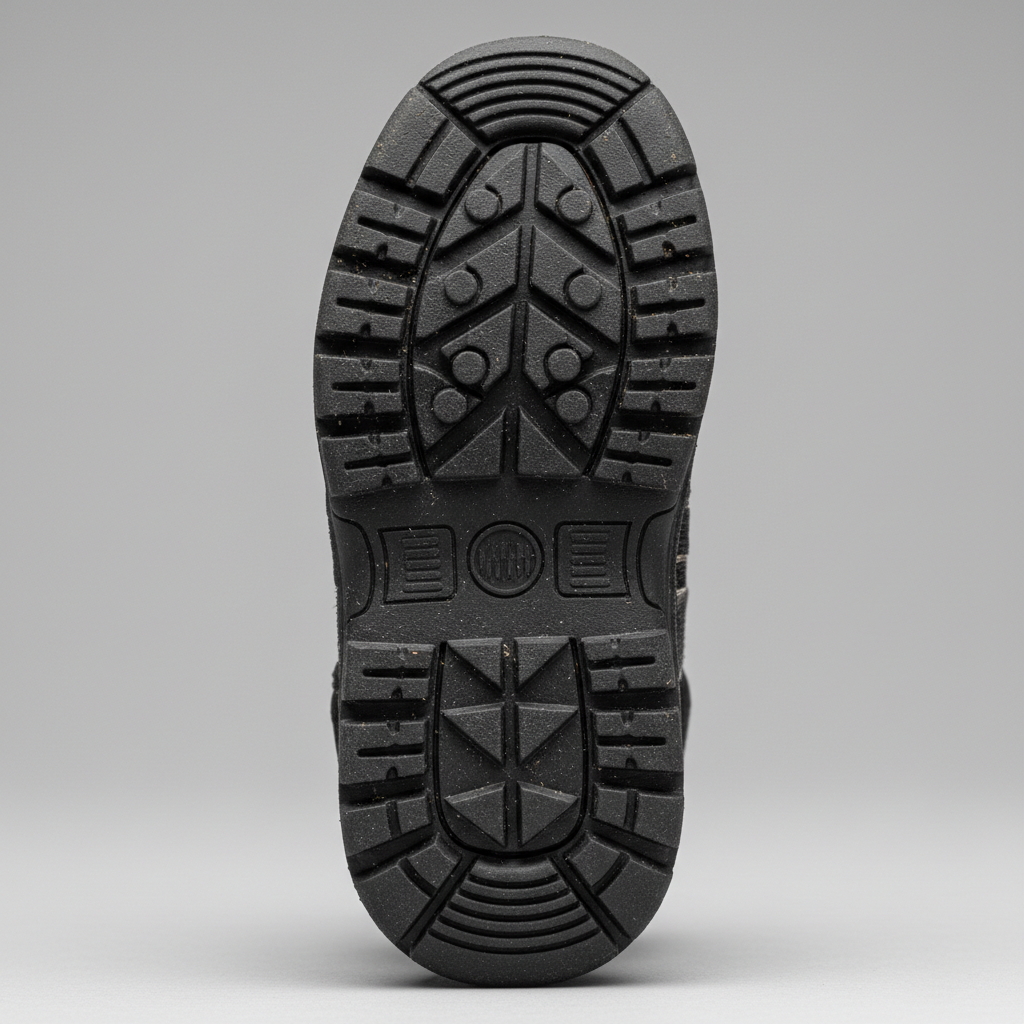
- Look for: rubber outsoles with a defined tread, enough thickness to insulate from heat, but not so stiff your dog “tiptoes.”
- Watch out for: very soft soles that wear through quickly on rough asphalt, or very thick soles that reduce natural paw flex.
Upper: breathable beats “tough” in summer
- Best for hot days: mesh or engineered knit uppers with reinforcement only where needed.
- Often a bad trade: fully neoprene or heavily lined uppers that trap heat, they can protect, but many dogs overheat faster.
Closure: secure without cutting circulation
- Good: wide hook-and-loop straps, two-strap designs, or a strap plus gaiter for escape artists.
- Less reliable: single skinny straps that loosen once the boot flexes and gets dusty.
Fit and shape: the real reason boots “don’t work”
Many dogs have front paws that are wider than back paws, and some have big dewclaws that rub. If your dog slips boots constantly, it’s usually sizing, shape mismatch, or the strap sits too low on the leg.
Comparison table: picking a boot type that matches your walks
This isn’t a brand ranking, it’s a practical way to narrow choices so you’re not guessing. Use it as a filter before you start comparing specific models.
| Boot type | Best use | Pros | Trade-offs |
|---|---|---|---|
| Breathable mesh + rubber sole | Hot pavement walks, city routes | Better airflow, lighter feel, good daily option | Sole may wear faster on very rough surfaces |
| Rubber-dipped fabric booties | Short crossings, quick potty breaks | Flexible, often cheaper, easy to pack | Less insulation from heat, traction varies |
| Rugged hiking boots (thicker outsole) | Long urban hikes, mixed terrain | More protection, better durability | Heavier, can run warm, harder fit tolerance |
| Heat-shield paw wax (not a boot) | Mild heat, dogs who hate boots | No sizing, natural gait, quick application | Limited protection on extreme heat, reapply needed |
Practical buying and fitting steps (so the boots stay on)
Buying the best dog boots for hot pavement is less about the product page and more about measuring and testing at home. Do this once and you’ll save yourself the “three pairs in a drawer” problem.
- Measure after a walk: paws spread a bit when warm, which better reflects real sizing.
- Measure width and length: many dogs need the wider option even if length seems fine.
- Check dewclaw clearance: strap should sit above the paw joint, not directly on the dewclaw.
- Do an indoor test: 5 minutes on a non-slip floor, then stairs, then a short outdoor loop.
- Look for rub points: redness at the top of the paw or around the nail beds means adjust or size up.
Key point: if your dog “goose-steps” for 30 seconds and then relaxes, that’s normal. If your dog freezes, bites at the boot, or keeps tripping, something about fit or stiffness is off.
Hot-weather walking routine: boots plus common-sense heat management
Boots help, but they’re not permission to ignore heat. Dogs also cool through panting and limited sweat through paw pads, so extremely hot conditions still carry overheating risk.
According to the American Kennel Club (AKC), hot weather can raise the risk of heat-related illness and owners should adjust exercise timing and intensity. Boots protect paws, they don’t lower your dog’s core temperature.
- Timing: early morning and later evening usually feel dramatically different on pavement.
- Route: choose tree-lined streets, lighter concrete, and grass cut-throughs.
- Water: bring water for walks longer than a quick potty break, stop in shade.
- Plan B: if pavement feels too hot for you to stand on comfortably, shorten the outing and switch to indoor enrichment.
Mistakes I see often (and how to avoid wasting money)
- Buying for “toughness” only: thick, insulated boots can be overkill in summer and some dogs overheat sooner.
- Ignoring back paw sizing: many dogs need a different size behind, mixing sizes is normal.
- Expecting zero training: most dogs need a few short sessions to walk naturally in boots.
- Over-tightening straps: it can stop slipping, but it can also cause rubbing or restrict circulation.
- Assuming boots fix allergies: they can reduce contact with irritants, but licking and redness may still need a vet conversation.
When to stop DIY and call a professional
If you see blistering, cracked pads, bleeding, or persistent limping, it’s safer to pause walks on hot surfaces and talk to a veterinarian. Paw injuries can get infected, and pain changes how dogs move, which can strain joints.
Also consider professional input if your dog has orthopedic issues, neurological gait changes, or can’t tolerate boots without panic. A trainer can help with cooperative wearing, and a vet may suggest alternatives like limited time outdoors, protective balms, or different surfaces.
Conclusion: choosing boots your dog will actually wear
The “best” option usually ends up being a breathable boot with a grippy rubber outsole, a secure strap system, and a fit that respects how your dog’s paws are shaped. If you pick based on those basics, you avoid most of the frustration.
Action steps that tend to work: measure paws when warm, choose a boot style that matches your typical route, then do short practice walks before relying on them for a hot day. Your dog’s comfort will tell you quickly if you’re on the right track.
FAQ
- How do I know if pavement is too hot for my dog?
There’s no single number that fits every situation, but if the surface feels uncomfortably hot to you, it’s a strong signal to shorten the walk, find shade, or use protection. Your dog lifting paws or refusing to move is also a practical red flag. - Are dog boots safe to use in summer?
Usually yes, if the uppers breathe and the fit isn’t tight. In very hot weather, boots can still add warmth around the paw, so keep walks shorter and watch panting, pace, and overall energy. - Why do dog boots keep falling off?
Most of the time it’s sizing, especially paw width, or the strap sits too low. Some dogs also have tapered legs that need a higher, wider strap or a gaiter-style top. - Should I use boots on all four paws?
Many dogs benefit from all four on hot pavement because any paw can get burned, but some owners start with the front paws to build tolerance. If your route includes long hot stretches, four boots tends to be simpler. - What’s better for hot pavement: boots or paw wax?
For truly hot asphalt, boots typically offer more insulation. Paw wax can help with mild heat and texture, but it may not prevent burns in extreme conditions and needs reapplication. - How tight should dog boot straps be?
Snug enough that you can’t easily twist the boot around the paw, but not so tight that it leaves deep indentations or causes rubbing. After a short walk, check for redness at the top of the paw. - Can my dog wear socks under boots?
Sometimes, especially for dogs prone to rubbing, but socks can also make boots slide if sizing is already borderline. If you add socks, re-check fit and strap tension from scratch.
If you’re trying to pick the best dog boots for hot pavement for a specific breed, body size, or a dog who hates gear, it can be easier to narrow it down with your walk length, pavement type, and a couple paw measurements, then compare only the models that match those constraints.