
Best dog food for french bulldogs usually means one thing in real life: your Frenchie eats it without tummy drama, itching, or weight creep, and you can keep the routine consistent.
French Bulldogs can be a little “extra” about food, not because they’re picky for fun, but because their bodies nudge owners into careful choices, sensitive digestion, skin issues, and a tendency to gain weight fast if portions drift.
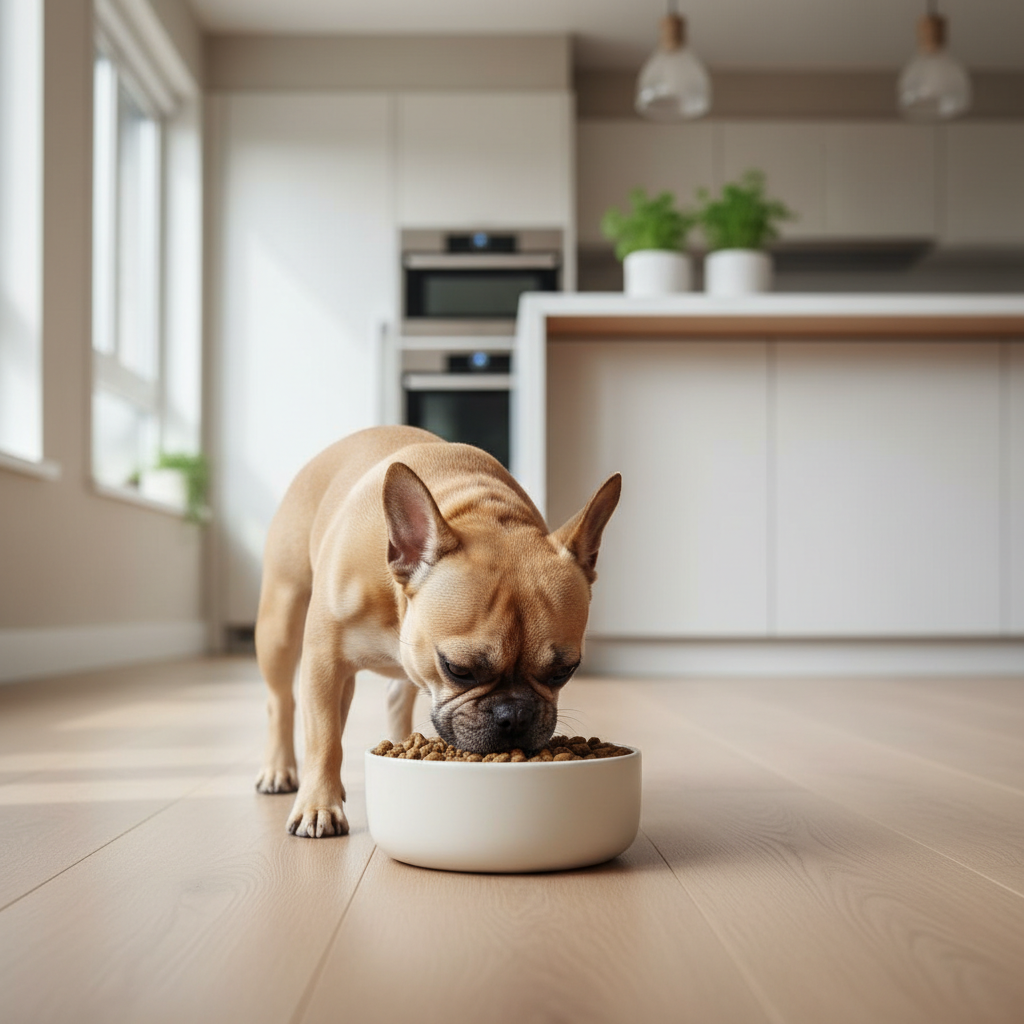
This guide walks through what matters in 2026: how to read ingredient panels without overthinking, how to match food type to common Frenchie problems, and how to switch diets without triggering a week of gas that makes everyone regret it.
What makes French Bulldogs different at mealtime
Most people search for the best dog food for french bulldogs after a pattern shows up: recurring soft stools, constant ear gunk, licking paws, or a “rounding out” that feels sudden. A few breed traits often sit behind those issues.
- Short muzzles, more swallowed air: fast eating and gulping can worsen burping and gas, so food shape and feeding style matter more than you’d expect.
- Sensitive skin and ears: many Frenchies seem reactive to certain proteins or rich formulas, though triggers vary a lot by dog.
- Compact build, easy weight gain: small daily overfeeding adds up quickly, and extra weight can strain joints and breathing.
- Some do better on simpler recipes: fewer ingredients can make troubleshooting easier when symptoms appear.
According to the American Kennel Club (AKC), French Bulldogs are prone to several health concerns where maintaining a healthy weight and good nutrition supports overall management, even if food isn’t a “cure.”
Quick checklist: what your Frenchie’s symptoms may be telling you
Before switching foods, it helps to label the problem. Not perfectly, just enough to avoid random trial-and-error.
- Gas + loud belly + normal skin: often points to eating too fast, high fermentable ingredients, or a formula that’s simply too rich.
- Itchy paws, red skin, recurring ear issues: could be environmental allergies, food sensitivity, or both, a diet change sometimes helps but not always.
- Soft stool on and off: may improve with steadier fiber, a more digestible protein, and tighter portion control.
- Weight gain despite “not much food”: calories can be higher than expected, treats count more than owners think.
- Very frequent regurgitation or struggling to breathe: this needs veterinary guidance, don’t treat it as a simple food mismatch.
If the main issue is skin or ears, consider documenting symptoms for 2–3 weeks before switching, notes like stool quality, itch level, and treats can make patterns obvious.
How to evaluate dog food labels (without getting lost)
There’s no single “perfect” formula, but the best dog food for french bulldogs tends to share a few practical traits: consistent digestibility, moderate calories, and a protein source your dog tolerates.
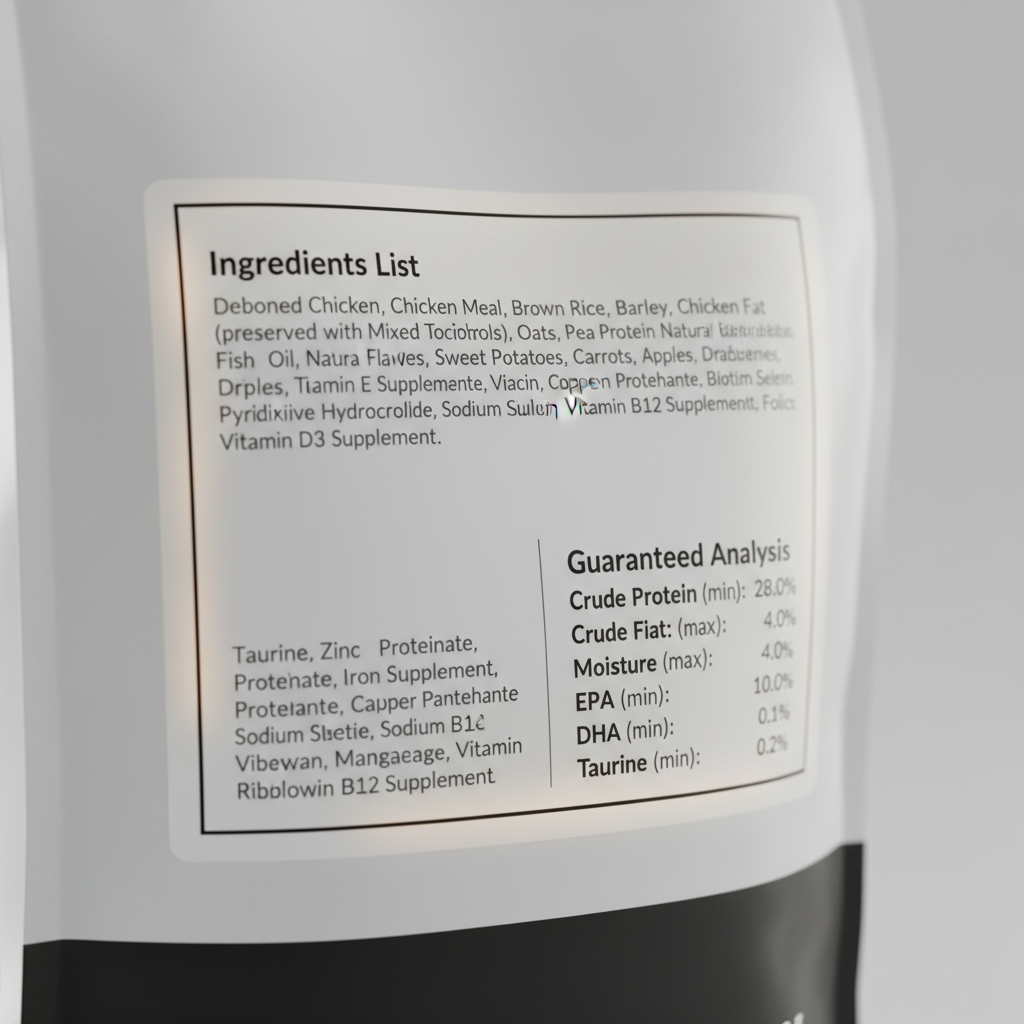
Here’s what’s usually worth your attention:
- Protein source you can stick with: chicken works for many dogs, but if your Frenchie seems reactive, vets often suggest a structured trial with a different protein or a hydrolyzed diet.
- Moderate fat: very high-fat recipes can be delicious, but many Frenchies get greasy stools or gas on overly rich formulas.
- Fiber that matches the stool: too little fiber can mean sloppy stool, too much can mean big stool and more gas, the “right” level depends on your dog.
- Calorie density (kcal/cup): this is the quiet reason Frenchies gain weight, two foods can look similar but differ by 100+ kcal per cup.
- AAFCO statement: look for “complete and balanced” for your dog’s life stage, it’s a basic safety filter.
According to the Association of American Feed Control Officials (AAFCO), a proper nutritional adequacy statement helps confirm the food meets minimum nutrient profiles when fed as directed.
Best types of dog food for French Bulldogs (pick by situation)
Instead of chasing one “best” brand, it’s usually smarter to pick the format that fits your Frenchie’s main issue, your budget, and how consistent your household can be.
1) For sensitive stomachs and gas
Look for highly digestible proteins, steady fiber, and recipes that aren’t trying to be too fancy. Many households also benefit from a slow feeder.
- Dry kibble with moderate fat and clear protein sourcing
- Limited-ingredient diets when you need to narrow triggers
- Consider a vet-approved probiotic if your veterinarian agrees, especially after antibiotics
2) For itchy skin, recurring ears, “allergy-like” symptoms
Food may be part of the picture, but it’s not always the main driver. If you suspect food sensitivity, a structured elimination plan usually beats random switching.
- Veterinary hydrolyzed protein diets for true elimination trials
- Novel protein options (for some dogs), used consistently
- Formulas with omega-3s for skin support, not as a magic fix
According to the American College of Veterinary Dermatology (ACVD), diagnosing food allergy typically requires a strict elimination diet trial, not just choosing a “grain-free” label.
3) For weight control without making your Frenchie miserable
Most “diet” foods work only if portions are measured and treats are managed. Pick a food with lower calorie density and good satiety.
- Weight management formulas with higher protein and adequate fiber
- Measured meals, not free-feeding
- Low-cal training treats, or use kibble as treats
4) For picky eaters (who still need structure)
Picky can be preference, but it can also be nausea or reflux. If pickiness is new, ask a professional before assuming it’s “personality.”
- Try warming food slightly or adding a small amount of topper consistently
- Avoid rotating proteins weekly, it often creates more confusion than benefit
- Keep meal windows short, 15–20 minutes, then remove the bowl
Comparison table: what to choose based on your goal
This table won’t replace a vet’s advice, but it can shorten your search when you’re overwhelmed by options.
| Goal | What to prioritize | What to be cautious about |
|---|---|---|
| Less gas / better stool | Moderate fat, digestible protein, steady fiber, slow-feeding | Very rich recipes, frequent food swaps |
| Skin/ear support | Elimination approach, consistent protein, omega-3 support | Assuming “grain-free” equals hypoallergenic |
| Weight control | Lower kcal/cup, measured portions, treat strategy | “Light” food with large portions and lots of extras |
| Convenience | Reliable kibble or balanced fresh plan with clear feeding guide | Unbalanced homemade diets without professional formulation |
Practical feeding plan: portions, transitions, and routines
The best food won’t look like the best dog food for french bulldogs if the transition is rushed or portions drift. This part is unglamorous, but it’s where results come from.
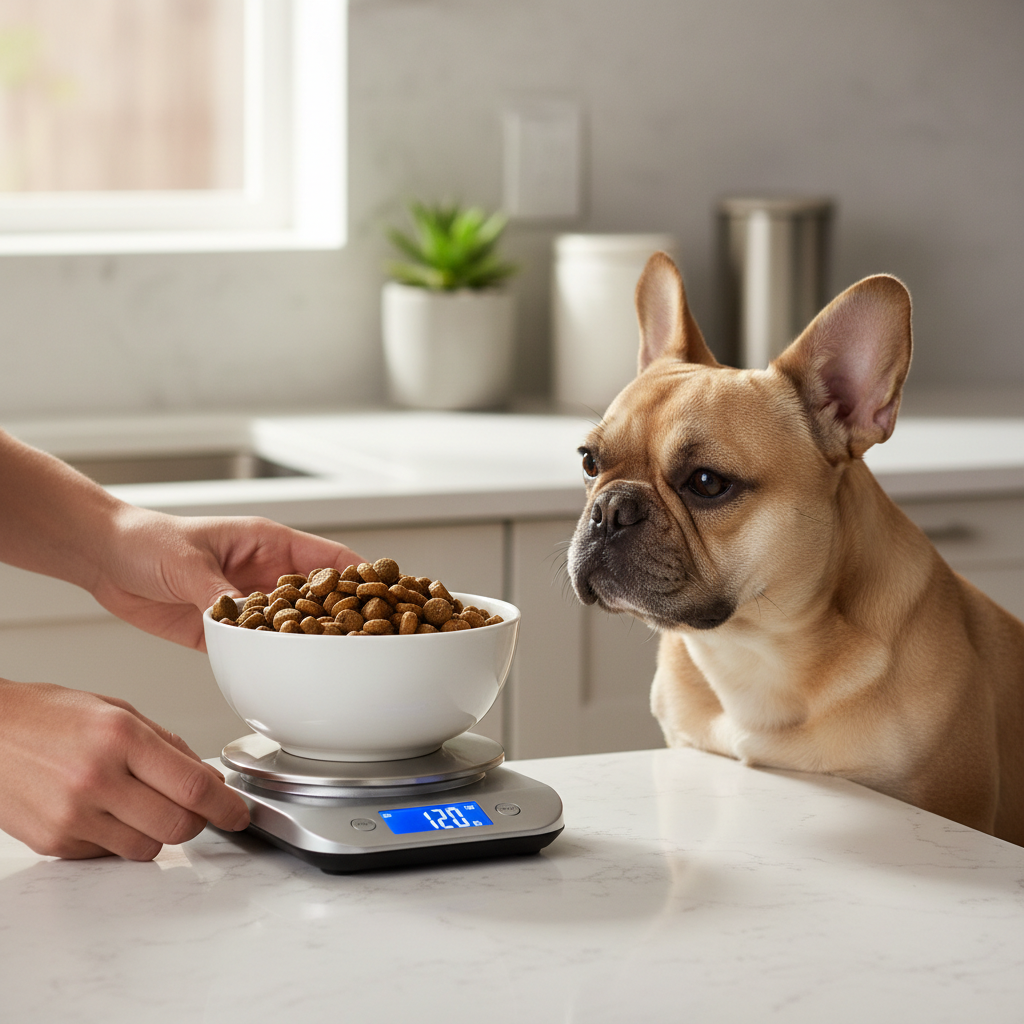
Portion control that actually holds up
- Use grams when you can: cups are inconsistent across scoops and kibble shapes.
- Start from the label, then adjust: feeding guides are estimates, your dog’s body condition matters more.
- Track treats: many Frenchies get 20–30% of daily calories from treats without anyone noticing.
According to the World Small Animal Veterinary Association (WSAVA), monitoring body condition score and adjusting intake is a practical way to keep pets at a healthy weight.
How to switch foods (and avoid a messy week)
- Days 1–2: 75% old food, 25% new
- Days 3–4: 50/50
- Days 5–6: 25% old, 75% new
- Day 7+: 100% new, if stool stays stable
If stool softens, pause at the current mix for a couple days instead of pushing forward, many Frenchies need a slower ramp.
Small routine upgrades that help a lot
- Slow feeder or puzzle bowl for gulpers
- Split into 2–3 meals if reflux seems likely
- Fresh water access and consistent meal timing
Common mistakes buyers make in 2026
- Overreacting to one ingredient: “chicken” isn’t automatically bad, and “lamb” isn’t automatically gentle, your dog’s response matters.
- Assuming grain-free is safer: it can be fine for some dogs, but it’s not a shortcut for allergy management.
- Buying the richest formula because it looks premium: rich foods can backfire in Frenchies with gas or loose stool.
- Switching too fast: then blaming the new food for transition issues.
- Ignoring calories: you can feed “high quality” and still overfeed.
If you’re trying a new option, change one variable at a time, new food plus new treats plus new supplements makes it hard to know what helped or harmed.
When to ask a vet (or a veterinary nutritionist)
Food choices can support comfort, but some signs should move you out of DIY mode.
- Persistent vomiting, blood in stool, or rapid weight loss
- Severe itch with skin infections or recurrent ear infections
- Suspected food allergy where an elimination diet is needed
- History of pancreatitis or other conditions where fat level matters
- Puppies with growth concerns, they need tighter nutrient targeting
For medical concerns, it’s safer to ask your veterinarian for a plan, especially before using boutique supplements or heavily changing macros.
Conclusion: a simple way to pick your next bag (or plan)
If you want a grounded approach, pick a complete-and-balanced formula that matches your Frenchie’s main issue, check calories per cup, commit to a slow transition, then judge results by stool, skin, energy, and weight trend over a few weeks. That’s the closest thing to “objective” you’ll get with the best dog food for french bulldogs, because your dog’s tolerance is the real scoreboard.
Key takeaways:
- Digestibility and calorie control usually matter more than trendy labels.
- For itch and ears, a structured elimination trial often works better than random switching.
- Measure portions, manage treats, and slow-feed if gas is a theme.
If you’re choosing between two decent options, pick the one you can feed consistently for 6–8 weeks and track changes, consistency beats constant experimenting.