
Pet probiotic for diarrhea can be a practical tool when your dog or cat has mild, short-term loose stool, especially after diet changes, stress, or antibiotics, but it is not a cure-all and it is not a substitute for a vet when warning signs show up.
Diarrhea gets messy fast, and it’s easy to panic-buy “gut health” products without knowing what actually matters, strain type, quality controls, dosing, and when probiotics may do nothing because the root cause is different.
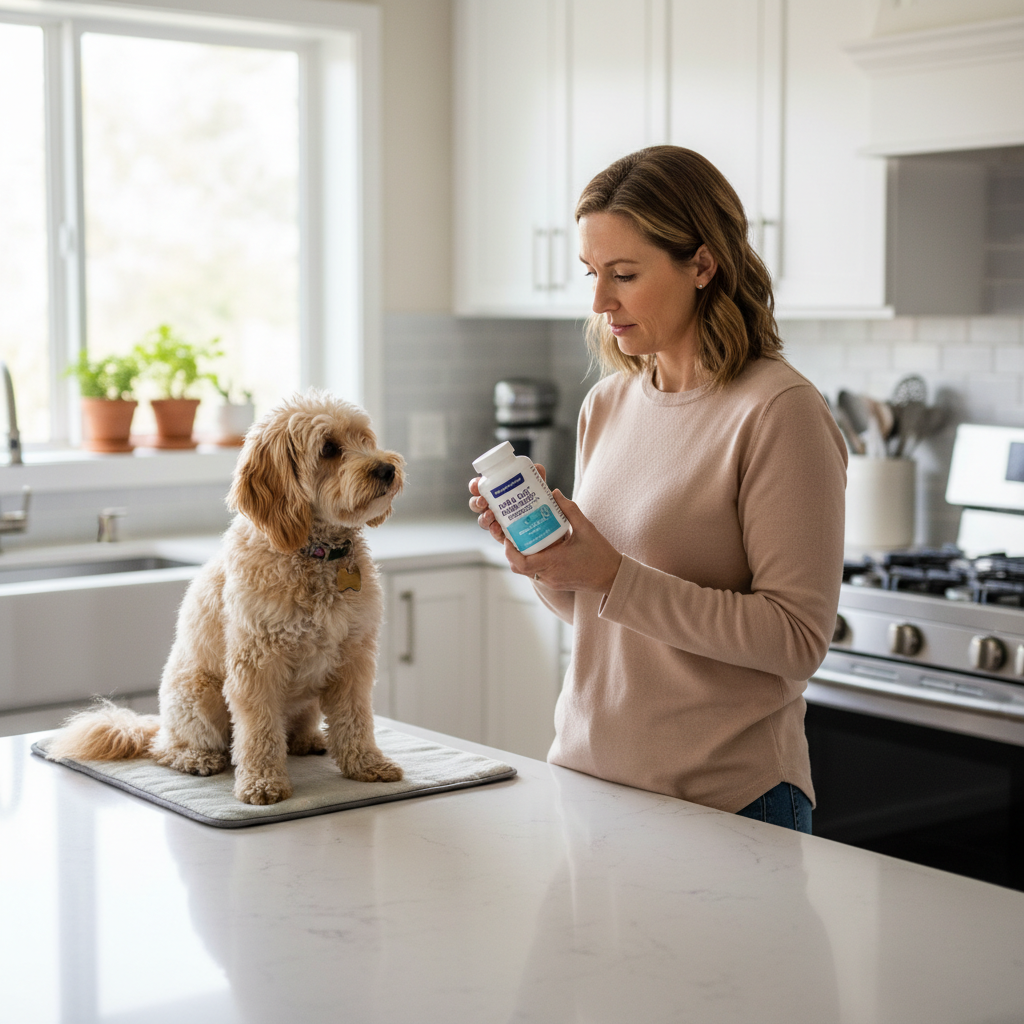
This guide breaks down why diarrhea happens, how probiotics may help gut balance, how to pick a product without getting lost in marketing, and a clear, step-by-step plan you can follow at home while keeping safety in front.
Why pets get diarrhea (and when probiotics make sense)
Most diarrhea is the gut reacting to something, not a diagnosis by itself. A probiotic can help in some cases because it supports the intestinal microbiome, the community of “good” microbes that helps with digestion and immune signaling, but it cannot fix every trigger.
- Diet change or food indiscretion: new food, new treats, “counter surfing,” rich table scraps, these often cause short episodes where supportive care may be enough.
- Stress diarrhea: travel, boarding, new pets, schedule changes, the gut and nervous system talk to each other more than most people expect.
- Antibiotic-associated diarrhea: antibiotics can disrupt normal flora; probiotic support is commonly discussed in veterinary practice during or after a course.
- Parasites or infections: probiotics may be supportive, but you still need diagnosis and targeted treatment.
- Chronic issues: food intolerance, inflammatory bowel disease, pancreatitis, endocrine disease, these require a vet-guided plan, probiotics may be only one small piece.
According to the American Veterinary Medical Association (AVMA), diarrhea can range from mild to serious and owners should contact a veterinarian if it is severe, persistent, or accompanied by other signs such as vomiting, lethargy, or blood.
Quick self-check: is your pet a “try probiotics at home” candidate?
This is the part people skip. A pet probiotic for diarrhea is most reasonable when symptoms look mild and your pet otherwise acts normal.
Usually reasonable to try supportive care for 24–48 hours
- Loose stool started recently, and your pet still eats, drinks, and acts mostly normal
- No blood, no black/tarry stool
- No repeated vomiting
- No known toxin exposure
- Adult pet, not very young, not very old, and not immunocompromised
Skip DIY and call a vet sooner
- Blood in stool (red streaks or dark, tar-like stool)
- Dehydration signs: tacky gums, sunken eyes, weakness
- Frequent vomiting, severe abdominal pain, bloating
- Puppies/kittens or small breeds that dehydrate quickly
- Diarrhea lasting more than 48 hours, or recurring episodes over weeks
- Recent foreign body risk: toys, socks, bones, corn cobs
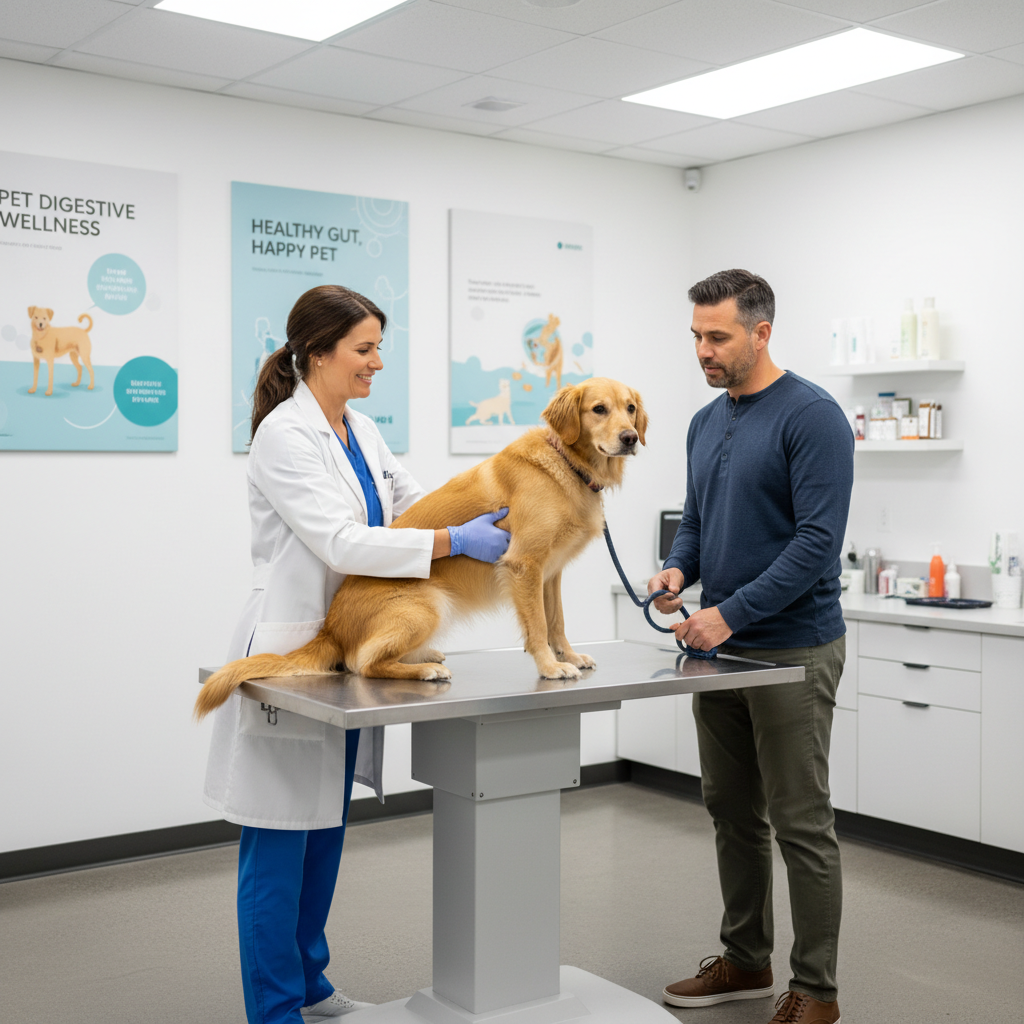
If you’re on the fence, that usually means the “call the vet” column is safer. It’s not overreacting, dehydration and GI bleeding can move quickly.
How probiotics may help diarrhea (and their real limits)
Think of probiotics as a way to nudge the gut environment back toward normal. They may help by competing with unwanted microbes, producing beneficial metabolites, and supporting the gut barrier.
- Microbial competition: beneficial strains can crowd out opportunistic bacteria.
- Barrier support: some strains may help tighten the intestinal lining, which can reduce fluid loss in the stool.
- Immune modulation: the gut immune system responds to microbial signals, probiotics can influence that signaling.
But here’s the honest limit: if diarrhea is driven by parasites, dietary intolerance, pancreatitis, Addison’s disease, or a blockage, probiotics alone won’t solve it. They may still be used as supportive care, just not as the main fix.
According to the Merck Veterinary Manual, diarrhea has many potential causes and persistent or severe cases require veterinary evaluation to identify the underlying problem.
Choosing a pet probiotic for diarrhea: what to look for on the label
Most confusion comes from labels. You’ll see huge CFU numbers, long strain lists, and “gut health” buzzwords. Focus on a few practical checks.
- Species-appropriate product: choose one made for dogs or cats, not a random human probiotic, dosing and strains may differ.
- Strain identification: look for genus + species + strain (example format: Lactobacillus something + letters/numbers). Vague “Lactobacillus blend” gives you less to evaluate.
- CFU at expiration: some labels list CFU “at manufacture,” which can be less meaningful after months on a shelf.
- Storage guidance: if it says refrigerate, treat that seriously; heat and humidity can reduce viability.
- Quality signals: clear manufacturer info, lot number, contact details, and transparent testing language are generally better signs than flashy claims.
If you’re choosing between two decent options, pick the one that is easier to use consistently. In real homes, compliance beats perfection.
Probiotics formats compared (powder, chews, paste, food)
The “best” format depends on your pet’s appetite, your schedule, and how urgent the situation feels. Here’s a quick comparison you can screenshot.
| Format | Pros | Cons | Works well when… |
|---|---|---|---|
| Powder packets | Easy to mix with food, flexible dosing | Picky eaters may refuse, must measure | Meals are predictable and pet eats normally |
| Chews/tablets | Convenient, less mess | Flavorings may not suit sensitive pets | You need grab-and-go daily support |
| Paste/gel | Useful when appetite is low, direct dosing | Some pets fight oral dosing | Short-term GI upset and you need speed |
| Probiotic “foods” (yogurt, kefir) | Easy to find | Lactose, sugar, and fat can worsen diarrhea | Only if vet okays and pet tolerates dairy |
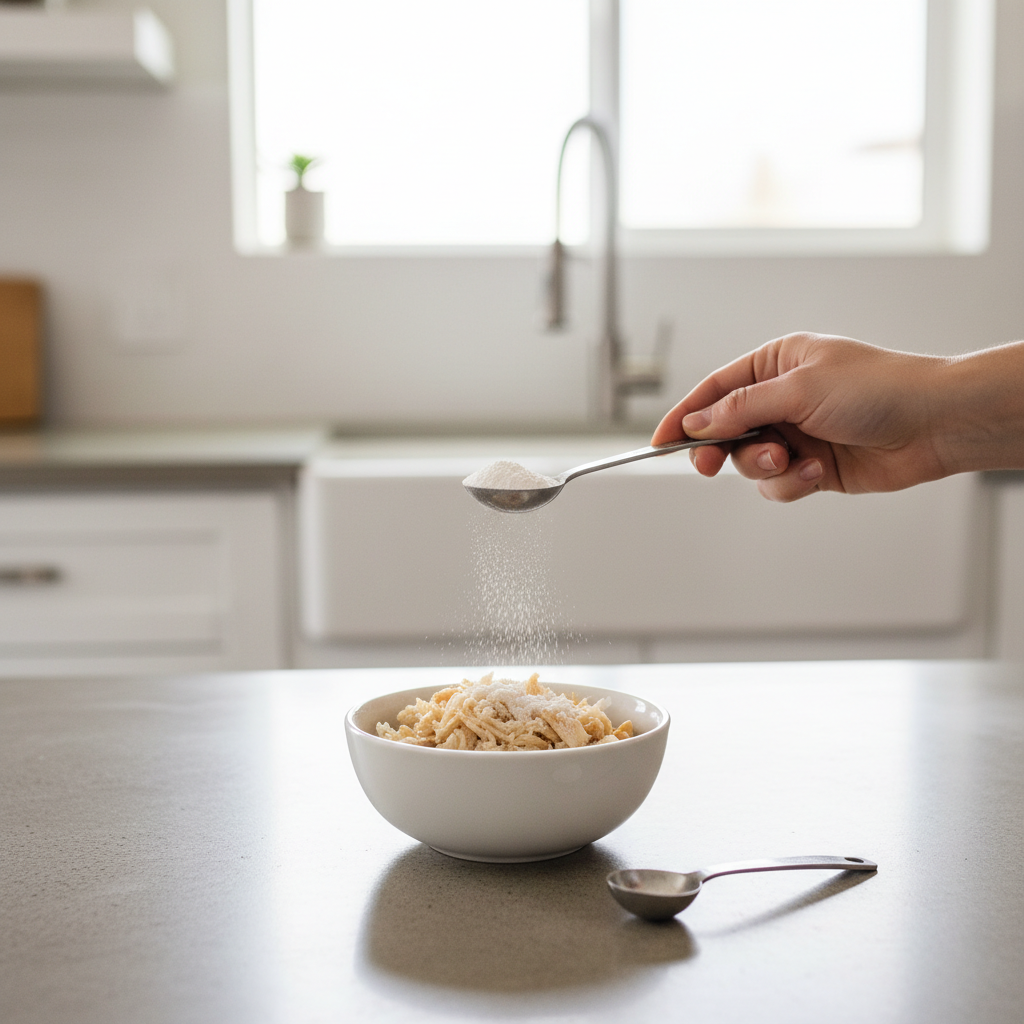
One note on “natural” options: if your dog already has diarrhea, adding new foods like dairy, bone broth with high fat, or rich toppers sometimes backfires. Simple is usually safer.
A practical 48-hour plan: probiotics + diet + hydration
If your pet fits the mild-case bucket, keep the plan boring. Boring is good for inflamed intestines.
Step 1: stabilize the basics
- Hydration first: make water easily available, consider ice cubes for dogs who like them. If your vet recommends an oral electrolyte, follow their guidance.
- Pause treats and chews: many “dental” chews and bully sticks irritate a sensitive gut.
- Keep routine calm: stress can keep diarrhea going even when food is fixed.
Step 2: add a bland, short-term diet if your vet agrees
- Common approach: small, frequent meals of a bland diet for 1–2 days, then gradual transition back to normal food.
- If your pet has a medical condition (diabetes, kidney disease, pancreatitis history), ask your veterinarian before changing food.
Step 3: introduce the probiotic in a measured way
- Use the product’s labeled dose for your pet’s weight, don’t “double up” because stool looks bad.
- If your pet refuses food, a paste format may be easier than hiding powder.
- When diarrhea started after antibiotics, many owners space probiotics and antibiotics by a few hours, your vet can confirm what makes sense for the medication used.
Step 4: reassess at 24 and 48 hours
- If stool firms up and energy stays normal, continue a few more days, then taper to a maintenance schedule if recommended.
- If symptoms stall or worsen, treat that as useful information, you probably need diagnostics rather than more supplements.
Common mistakes that make diarrhea last longer
Most “probiotic didn’t work” stories are really “too many changes at once” stories. A few traps show up again and again.
- Stacking multiple gut products: probiotic + pumpkin + fiber + new kibble + new treats makes it hard to know what helped and what hurt.
- Switching foods too fast: even a high-quality food can cause diarrhea if the transition is abrupt.
- Using human meds without guidance: some over-the-counter drugs can be dangerous for pets, especially cats; always check with a veterinarian.
- Ignoring dehydration: watery stool can drain fluids faster than it looks on day one.
- Expecting instant results: some pets improve in a day, others take several days, and some won’t respond because the cause is not microbiome-related.
When to seek professional help (and what your vet may do next)
Call your veterinarian urgently if there’s blood, repeated vomiting, marked lethargy, suspected toxin exposure, or your pet cannot keep water down. In those situations, a pet probiotic for diarrhea is not the priority.
For persistent or recurrent cases, vets often recommend a stepwise workup rather than guessing, stool testing for parasites, diet trials, bloodwork, sometimes imaging. It sounds like a lot, but it’s usually cheaper than cycling through supplements for months.
Key takeaways: probiotics may help mild diarrhea, product quality and strain clarity matter, and red flags should override any home plan.
Conclusion: A pet probiotic for diarrhea can be a sensible first-line support for uncomplicated cases, especially when paired with hydration, a simple diet, and patience, but the moment you see red flags or the pattern turns chronic, the most “gut-friendly” move is getting a veterinary diagnosis.
If you want a clean next step, pick one well-labeled probiotic, keep food changes minimal for 48 hours, and set a clear decision point for calling your vet if things do not improve.
FAQ
How fast does a pet probiotic work for diarrhea?
Many mild cases may start improving within 24–48 hours, but response varies. If stool stays very watery, or your pet’s energy drops, don’t wait it out.
Can I use a human probiotic instead of a pet product?
Sometimes vets do use certain human products, but it’s not a safe assumption for every brand or strain. Pet-specific options reduce guesswork on dosing and suitability.
Should I give probiotics with antibiotics?
In many situations it’s discussed as supportive care, but timing and choice can matter. Ask your veterinarian, especially if your pet has a sensitive stomach or multiple medications.
What’s better for diarrhea, probiotics or pumpkin?
They do different jobs. Pumpkin is mainly fiber support, probiotics target microbial balance. Some pets do fine with one, others get worse if you add too much fiber too quickly.
Is diarrhea a normal “detox” when starting a probiotic?
Usually no. Mild gas or soft stool can happen with changes, but ongoing diarrhea should be treated as a problem to solve, not a sign it’s “working.”
Can cats take the same probiotics as dogs?
Not always. Cats can be more sensitive to flavorings and dosing. Choose a cat-labeled product or follow your vet’s recommendation.
How long can I keep my pet on probiotics?
Some pets use them short-term during stress or after antibiotics, others may do maintenance for chronic GI sensitivity under veterinary guidance. If you’re using it for months, it’s worth revisiting the underlying cause with a professional.
If you’re juggling recurring loose stool, frequent diet switching, and a cabinet full of half-used supplements, a simpler plan often works better: pick one probiotic, track stool changes for a week, and coordinate with your vet so you’re not guessing your way through gut health.