
How to help a dehydrated cat starts with two truths that feel boring until you need them: dehydration can turn serious quickly, and “giving water” is not always the safest fix when a cat is nauseated or lethargic.
If your cat seems “off” and you’re wondering whether you can handle this at home, you usually can for mild cases, but you also need a clear line for when to stop DIY and call a veterinary clinic. The goal here is simple, help your cat rehydrate without accidentally making vomiting, aspiration risk, or an underlying illness worse.
This guide walks you through quick at-home checks, practical rehydration strategies, what foods and fluids are reasonable, and the red flags that mean your cat likely needs professional care.

What dehydration looks like in cats (and what it can mean)
Dehydration in cats often shows up as subtle behavior changes before it turns obvious. Some cats hide, some get clingy, and some just stop eating and you only notice at the litter box later.
According to the American Veterinary Medical Association (AVMA), dehydration can result from not drinking enough, fluid loss from vomiting or diarrhea, fever, or conditions like kidney disease and diabetes. So when you see dehydration signs, you’re often seeing a symptom, not the whole story.
Common signs you might notice
- Lower energy, less interest in food or play
- Tacky or dry gums instead of slick and moist
- Sunken-looking eyes in more significant cases
- Smaller urine clumps, fewer trips to the box, or very dark urine
- Panting, drooling, or seeming “weak” (these push into urgent territory)
One detail people miss, a cat can be dehydrated and still have water available. Stress, pain, nausea, mouth disease, and certain medications can all reduce drinking.
Quick at-home checks: a realistic self-triage list
If you’re trying to decide how to help a dehydrated cat without guessing, do a short check-in. You’re not diagnosing, you’re deciding “home support” versus “call now.”
Check these in under 2 minutes
- Gums: gently lift the lip, gums should feel moist, not sticky
- Capillary refill: press the gum until it blanches, color should return quickly; if it seems slow, treat it as concerning
- Skin tent (limited usefulness in cats): lift skin over shoulders, it should snap back; older cats can be misleading here
- Behavior: alert and responsive versus dull, wobbly, or hiding and unresponsive
- Intake/output: drinking at all, vomiting, diarrhea, urination changes
If your cat can’t keep water down, has repeated vomiting, significant diarrhea, or seems weak, home care may not be enough even if the signs look “mild.”
Safe ways to rehydrate a mildly dehydrated cat at home
For a cat that’s awake, able to swallow normally, and not actively vomiting, your best strategy is small, frequent fluids plus moisture-rich food. Big bowls and pressure tend to backfire.
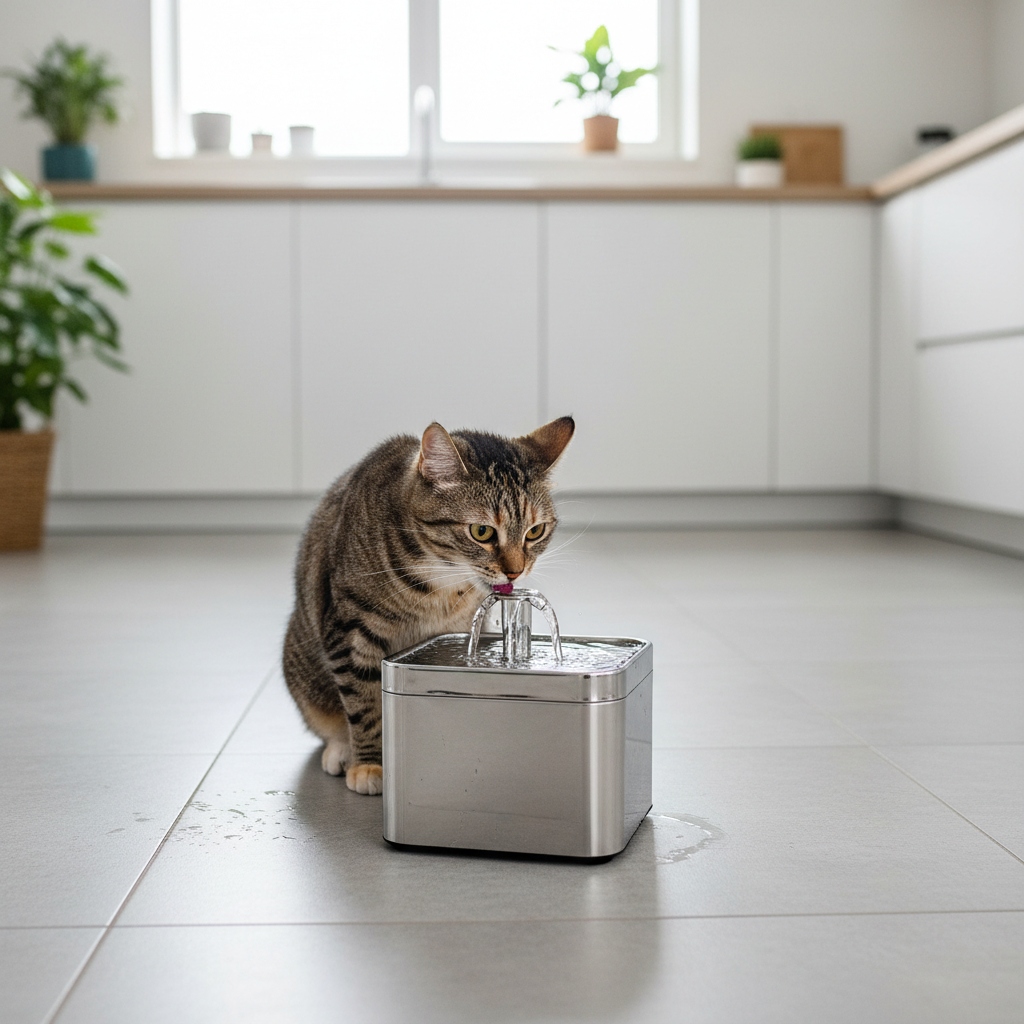
1) Make water easier to choose
- Offer fresh water in multiple locations, especially away from litter and food
- Try a wide, shallow bowl (some cats dislike whisker contact)
- Use a pet fountain if your cat prefers moving water
- Flavor the water lightly with a small amount of tuna water (in water, not oil) to encourage sipping
2) Add moisture through food (often the easiest win)
- Feed wet food if your cat tolerates it
- Mix 1–2 tablespoons of warm water into wet food to create a “gravy” texture
- Offer small portions more often, nausea and dehydration frequently travel together
3) Consider an oral rehydration option, carefully
If your cat has mild fluid loss and no ongoing vomiting, you can ask your veterinarian whether an unflavored pediatric oral electrolyte product is appropriate and what dilution to use. Cats have different electrolyte needs than people, so this is one area where a quick phone call saves trouble.
Avoid forcing large volumes by syringe unless a veterinarian has shown you how and confirmed it’s safe, aspiration into the lungs is a real risk when a cat resists or is weak.
How much should you offer? A practical “small and steady” approach
People want a number, but in real life the safer pattern is “small and steady” while you watch for worsening signs. A mildly dehydrated cat often does better with frequent sips and moist meals than with one big push.
Use this pacing as a starting point
- Offer water often, keep it fresh, and track whether the level changes
- If your cat drinks eagerly, let them, but pause if they gulp and then retch
- Prioritize wet food and added water if plain drinking is low
If you’re monitoring at home, write down a simple timeline: when your cat last ate, drank, urinated, vomited, or had diarrhea. That log becomes surprisingly useful if you end up calling a clinic.
What not to do (common mistakes that slow recovery)
When you’re worried, it’s easy to overcorrect. Unfortunately, some well-intentioned moves can make dehydration harder to treat.
- Don’t give salt, broth with onions/garlic, or seasoned soups. Onion and garlic can be toxic to cats.
- Don’t force water into a struggling cat’s mouth. Choking and aspiration are bigger risks than most people expect.
- Don’t delay care if there’s repeated vomiting, blood, or marked lethargy, dehydration is often secondary to something else.
- Don’t use human anti-diarrhea or anti-nausea meds unless a veterinarian directs you, cats are sensitive to many drugs.
If you’re stuck in the loop of “they won’t drink, so I try harder,” that’s usually the moment to shift to a vet call and get tailored guidance.
When dehydration becomes an emergency (call a vet now)
How to help a dehydrated cat sometimes means recognizing that home care has hit its limit. Cats can deteriorate faster than dogs, and it’s not always obvious until it is.
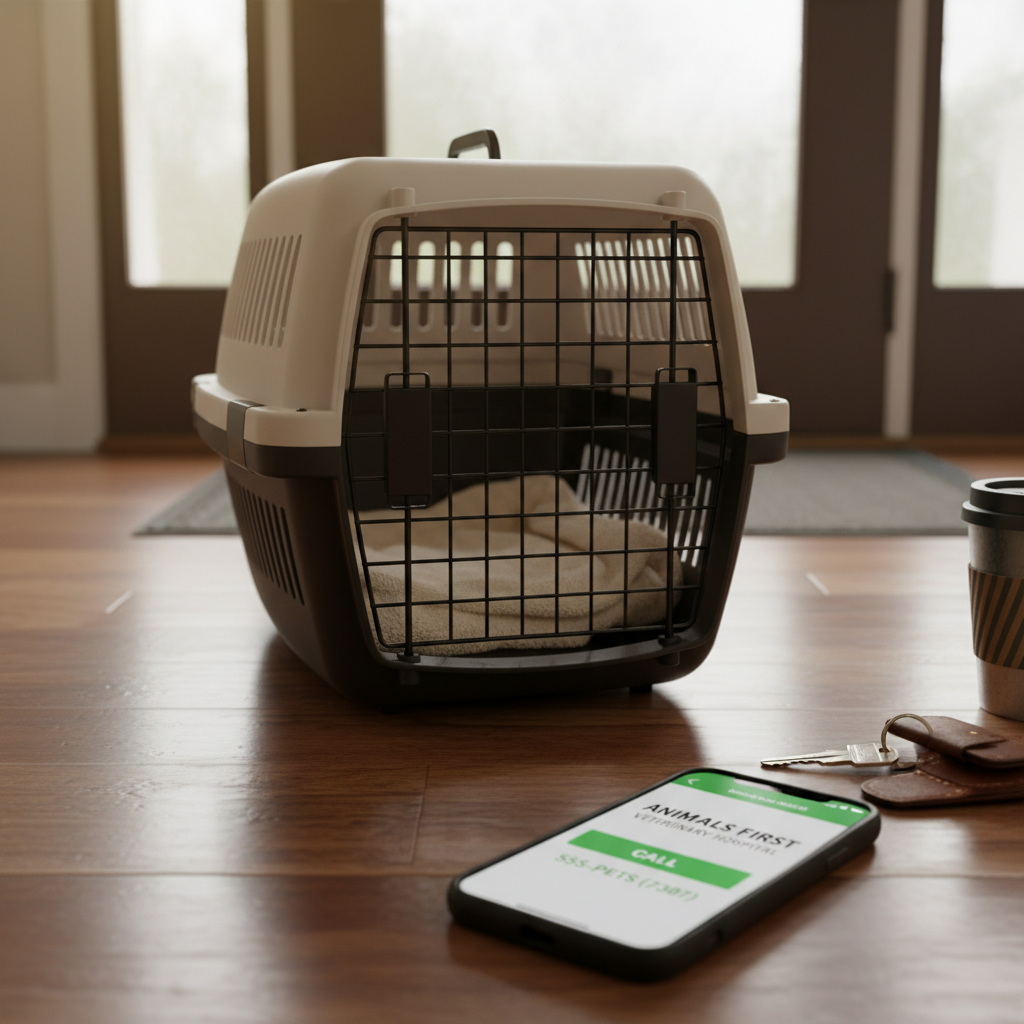
- Repeated vomiting or inability to keep water down
- Diarrhea that’s frequent, watery, or contains blood
- Extreme lethargy, collapse, wobbliness, or unusual weakness
- Labored breathing, pale gums, or a very fast heart rate
- No urination or straining in the litter box (possible urinary blockage)
- Kittens, seniors, or cats with kidney disease/diabetes showing any dehydration signs
- Suspected toxin exposure or heat stress
According to the ASPCA Animal Poison Control Center, certain toxins and medications can cause vomiting, diarrhea, and weakness, which can spiral into dehydration. If toxin exposure is even a possibility, treat it as urgent and contact a veterinary professional or poison hotline.
At-home plan by scenario (use this table to choose your next step)
This table is meant to reduce guessing. It’s not a substitute for an exam, but it helps you pick a reasonable next move.
| What you’re seeing | Likely severity | What to do at home now | Vet contact timing |
|---|---|---|---|
| Less drinking, still alert, eating some wet food, no vomiting | Mild | Offer multiple water stations, add water to wet food, monitor litter box | Call within 24–48 hours if not improving |
| Tacky gums, low appetite, one vomit episode, a bit quieter than usual | Mild to moderate | Small frequent sips, wet food slurry, keep warm/quiet, track symptoms | Call same day for guidance |
| Repeated vomiting, watery diarrhea, very small urine clumps | Moderate to severe | Stop forcing fluids, offer small sips only if they seek it | Urgent visit today |
| Collapse, severe weakness, pale gums, hard breathing, not urinating | Emergency | Keep cat calm, carrier ready, avoid oral fluids | Emergency clinic now |
Key takeaways and a simple action checklist
How to help a dehydrated cat at home works best when you keep it calm, measurable, and you don’t wait too long to escalate. Mild dehydration often responds to wet food, added water, and better access to drinking options, but vomiting, diarrhea, and lethargy change the math.
- Do a quick gum and behavior check, then decide home support versus a call
- Use moisture-rich feeding and small, frequent water offers
- Stop DIY if your cat can’t keep fluids down or seems weak
- Keep notes on intake, vomiting/diarrhea, and litter box changes
If your cat looks “not quite right” and you’re on the fence, calling your veterinarian for triage advice is usually the most time-efficient move, and it can prevent a long night of guessing.
FAQ
How can I tell if my cat is dehydrated without special tools?
Start with gums and behavior. Sticky gums, low energy, reduced urination, and poor appetite often point toward dehydration, though the cause still matters, especially if vomiting or diarrhea is present.
Is it okay to syringe water into my cat’s mouth?
Sometimes a vet may recommend it for specific cases and show you how, but forcing fluids into a resisting or weak cat can lead to aspiration. If your cat fights it or coughs, stop and call a professional.
What should I give my cat to drink besides water?
Plain water is usually safest. Some cats will drink more with a little tuna water (in water) added for smell. Electrolyte solutions can be tricky for cats, so ask your vet before using them.
Can wet food really help with dehydration?
Often, yes. Many cats take in a meaningful amount of fluid through wet food, and adding a bit of warm water can increase intake without stressing them out.
How long can a dehydrated cat go without drinking?
There isn’t a single safe window that fits every cat because age, health conditions, and fluid losses vary. If you suspect dehydration and your cat won’t drink at all, it’s reasonable to call your vet the same day.
My cat is drinking a lot but still seems dehydrated, why?
Increased drinking can happen with kidney disease, diabetes, hyperthyroidism, or other issues. A cat can look dehydrated while also drinking more than usual, which is a good reason to schedule an exam and lab work.
When should I take my cat to an emergency vet for dehydration?
Go urgently if there’s repeated vomiting, severe diarrhea, collapse, breathing trouble, pale gums, or no urination or straining in the litter box. Those signs can indicate more than simple dehydration.
If you’re trying to help at home but you keep second-guessing what’s “normal,” it can be easier to call your veterinarian and share your notes on drinking, appetite, and litter box patterns, that quick triage often clarifies whether home support is enough or whether your cat needs fluids and testing.