
Ferret water bottle drip proof large is usually what people search after one frustrating week of wet bedding, rusty cage bars, and a ferret that either can’t get enough water or turns the bottle into a toy. The good news is that most “drip” problems come from a short list of fixable causes: the wrong spout design, poor mounting, pressure changes, or a bottle that’s simply too small for your setup.
If you pick the right large-capacity bottle and set it up with a few practical checks, you can cut down on leaks, reduce daily refills, and make water access more consistent. That matters more than it sounds, because ferrets can be stubborn about drinking, and you don’t want hydration to depend on whether a ball tip happens to sit perfectly today.
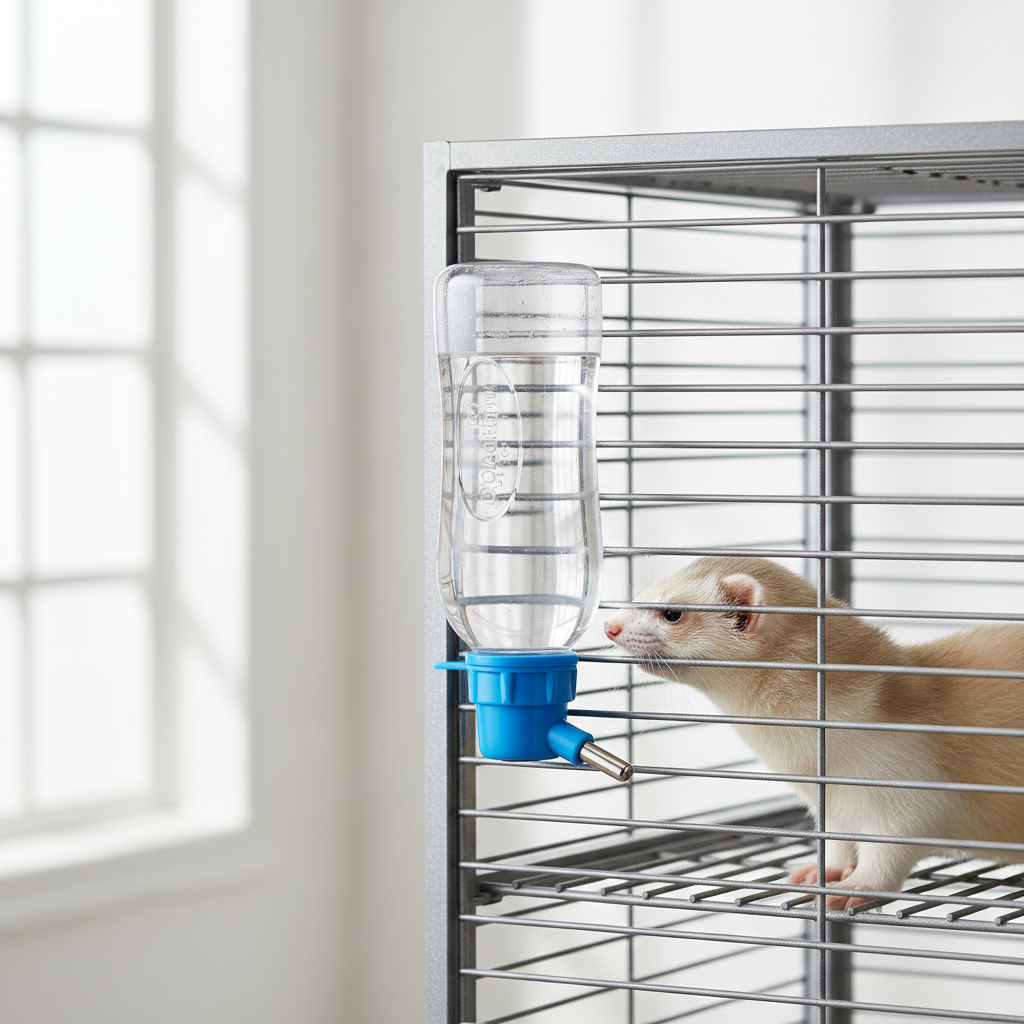
This guide breaks down what “drip proof” realistically means, how to choose a large bottle that fits your cage and routine, and how to install it so it stays dry. I’ll also share a quick leak test, a troubleshooting checklist, and when a bowl might actually be the better call.
Why ferret water bottles drip (and why “drip proof” isn’t always absolute)
Even good bottles can drip occasionally, especially after temperature swings or a hard bump. “Drip proof” in the real world usually means minimal seepage under normal use, not “zero drops forever.” Here are the common culprits.
- Worn or inconsistent ball bearing: Most spouts use one or two small metal balls that seal water in. If they stick, get scratched, or don’t seat evenly, you’ll see slow leaks.
- Vacuum issues: Many bottles rely on a vacuum to hold water back. If the cap seal is imperfect, air slips in and water slips out.
- Mounting angle: A bottle that tilts too far forward encourages dripping, and a bottle that’s too high can make ferrets bite or tug, loosening the mount.
- Ferret behavior: Some ferrets mouth the tip, paw at the bottle, or “dig” at it. A spout that’s fine for a rabbit might not survive a bored ferret.
- Mineral buildup: Hard water can leave scale inside the spout, which stops the balls from sealing cleanly.
According to the American Veterinary Medical Association (AVMA), reliable access to clean water is a baseline requirement for pet welfare, which is why a bottle that drips or intermittently blocks flow is more than a small annoyance.
What “large capacity” should mean for your home (not just ounces)
People often buy the biggest bottle available, then wonder why it wobbles or leaks more. Large capacity should match your cage size, how many ferrets you keep, and how often you want to refill, without creating a heavy, unstable setup.
In many homes, “large” ends up being a bottle that can cover a full day comfortably, plus a little buffer for messy drinkers. If you’re away for long workdays, a larger reservoir reduces the risk of running low, but only if the mount is solid.
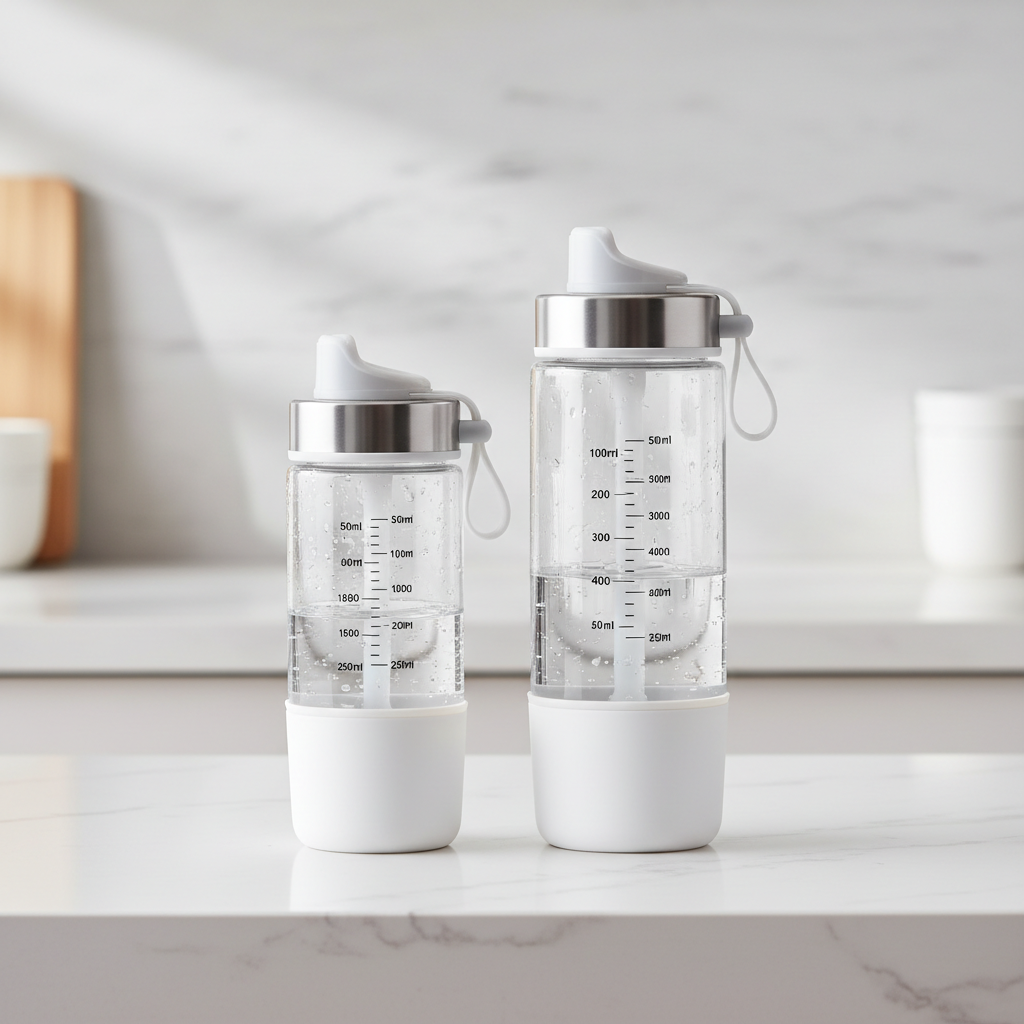
Use this table as a practical way to choose size by routine, not hype.
| Household situation | Practical “large” capacity goal | What to watch for |
|---|---|---|
| 1 ferret, you refill daily | Moderate-to-large bottle | Prioritize smooth flow and easy cleaning over max volume |
| 2+ ferrets sharing one cage | Large bottle or two medium bottles | Two stations reduce bullying and “empty bottle surprise” |
| Long workdays, occasional overnight trips | Large bottle plus backup source | Mount stability matters more as weight increases |
| Hard water area | Any size, but easy-to-disassemble spout | Scale buildup increases drip risk over time |
Quick self-check: are you dealing with a bottle problem, a setup problem, or a ferret problem?
Before you buy a new “ferret water bottle drip proof large” model, take two minutes to classify what’s happening. This avoids replacing gear when the real fix is mounting or cleaning.
Setup problem signs
- Dripping starts after you move the cage or refill the bottle
- The bottle tilts forward or slides down the bars
- Leaks happen only when the bottle is very full
Bottle/spout problem signs
- Slow drip continues even when the bottle sits on a counter
- The ball tip feels rough, sticky, or inconsistent
- You see moisture collecting around the cap or gasket
Ferret behavior signs
- You hear repeated tapping or chewing on the tube
- Dripping spikes right after playtime or cage-rage moments
- One ferret guards the bottle and others hesitate
Key point: if it drips on the counter, it’s not your cage. If it only drips in the cage, the mount and angle are usually the first place to look.
How to choose a drip-resistant large bottle (features that actually matter)
Product pages love buzzwords. What matters is how the spout seals, how the bottle vents, and whether the mount stays rigid under ferret-level abuse.
- Dual-ball or improved valve spout: Many owners find dual-ball tips reduce casual dripping, though flow can vary by brand and batch.
- Thick, clear plastic or glass reservoir: Glass stays cleaner and resists scratching, plastic weighs less. Either can work if the seal is good.
- Cap and gasket quality: A soft, well-fitting gasket reduces vacuum loss. If the gasket looks flimsy, expect inconsistent performance.
- Secure mounting system: Springs or locking brackets usually hold better than thin wire. Heavy “large” bottles need real support.
- Spout length and angle: You want the tube to reach through cage bars without kinking or forcing a weird angle.
Also, be honest about cleaning. A bottle that’s annoying to open tends to get “rinsed” instead of cleaned, and that’s when buildup and funk creep in.
Installation that prevents leaks: a simple, repeatable method
A large-capacity bottle fails most often at install: overfilled, overtightened, mounted crooked, then blamed for dripping. This routine is boring, but it works.
Step-by-step setup
- Rinse and inspect: Check the tip for burrs, and make sure the ball moves freely.
- Fill to a sensible level: Leave a little air space at the top so pressure changes don’t immediately force water out.
- Tighten the cap firmly, not aggressively: Too loose leaks, too tight can warp threads or pinch the gasket.
- Prime the spout: After mounting, tap the ball lightly to release a few drops, this helps the vacuum settle.
- Mount straight and stable: Aim for a near-vertical reservoir with the spout slightly angled downward into the cage.
- Set drinking height: The tip should sit around mouth level when your ferret stands naturally, not stretched up or crouched down.
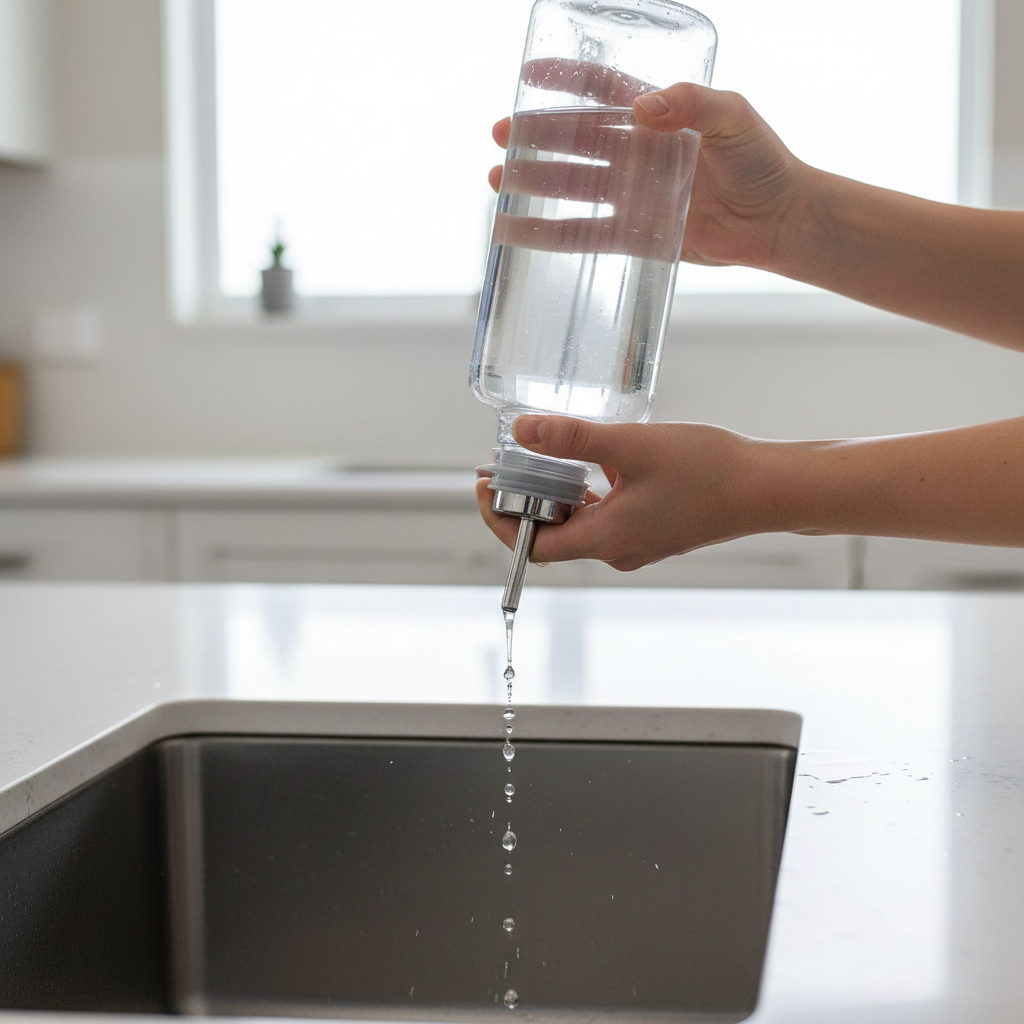
30-second leak test (worth doing every time you change bottles)
- Hold the filled bottle over a sink for 20–30 seconds.
- Watch for continuous dripping (bad) versus a couple of settling drops (usually fine).
- Rotate it slightly, if a small angle change triggers a steady drip, your seal or spout seating may be weak.
If you need a paper towel under the spout all day, it’s not “drip proof,” it’s a slow leak you’re babysitting.
Troubleshooting: stop the drip without buying three more bottles
When a bottle that used to behave starts leaking, the fix is often maintenance plus a small adjustment.
Try these fixes in this order
- Clean the spout thoroughly: Use a small brush and warm water. If scale is likely, consider soaking parts in a pet-safe approach recommended by the manufacturer, and rinse very well.
- Replace the gasket: Many “mystery leaks” come from flattened or cracked seals.
- Reduce wobble: Add a second attachment point or reposition the bracket to stop tugging from loosening the fit.
- Check for hair and bedding fibers: They can wedge near the tip and keep the ball from sealing.
- Don’t overfill: With some bottles, max fill increases seepage until the vacuum stabilizes.
Common reality check: if your ferret regularly bites the tube, you may be solving a behavior problem with hardware. Adding a second water station can lower frustration and reduce “attack the bottle” habits.
Safety, hygiene, and when to consider a bowl instead
Bottles reduce spill risk, but they’re not automatically healthier. A clogged spout can limit water intake, and a dirty bottle can grow biofilm. According to the Centers for Disease Control and Prevention (CDC), regular cleaning of items that contact food and water helps reduce germ buildup, a principle that applies to pet water equipment even though household risk varies by situation.
- Clean on a schedule you’ll keep: Many setups do best with frequent rinsing plus periodic deep cleaning, especially in warm rooms.
- Watch drinking behavior: If you rarely see your ferret drink, consider offering a bowl as a backup while you monitor.
- Use backup water when changing gear: When you switch to a new “ferret water bottle drip proof large” option, keep a bowl available for a day or two.
If your ferret shows signs that could suggest dehydration or illness, such as unusual lethargy, sticky gums, or a noticeable drop in drinking, it’s smart to consult a veterinarian. Ferrets can decline quickly, and online troubleshooting should not replace professional care.
Practical recommendations and a simple action plan
You don’t need a perfect bottle, you need a setup that stays dry enough and delivers consistent flow. For many cages, that means a sturdy mount, a reliable valve-style spout, and a cleaning routine that prevents the slow creep of buildup.
- Today: do the counter leak test and adjust the mounting angle.
- This week: deep clean the spout, check the gasket, and confirm the bottle sits at an easy drinking height.
- Ongoing: consider two water sources if you have multiple ferrets or a known bottle-chewer.
If you want the quickest win, start by stabilizing the mount and slightly underfilling until you know how that bottle behaves. That small change solves more “drip proof” complaints than most people expect.
FAQ
Why does my “drip-proof” bottle leak right after I refill it?
Often it’s a vacuum issue that settles after a few minutes, but steady dripping can also mean the cap seal isn’t seating well. Try leaving a bit of air space and priming the spout so pressure equalizes.
Is a larger ferret water bottle more likely to drip?
It can be, mainly because extra weight makes mounting less stable and small angle changes matter more. A rigid bracket and a straighter angle usually help.
How high should I mount a water bottle for a ferret?
Most ferrets do best when the tip sits around mouth level when they stand naturally. Too high encourages pulling and chewing, too low can lead to awkward posture and mess.
What’s better for ferrets, a bottle or a bowl?
It depends on your ferret and your cage. Bottles reduce spills, bowls can feel more natural for some drinkers. Many owners use both, especially during transitions or when monitoring intake.
How can I tell if the spout is clogged?
If you tap the ball and get little to no water flow, or your ferret keeps licking without visible swallowing, treat it as suspicious. Clean the tip and confirm flow before relying on it as the only water source.
My ferret chews the metal tube, what should I do?
Chewing is common when they’re bored or frustrated, and it can loosen mounts and create drips. Adding a second bottle, improving enrichment, or switching to a more protected spout design can reduce the habit.
How often should I clean a ferret water bottle?
Frequency varies with room temperature and water quality, but regular rinsing plus periodic deep cleaning tends to prevent odor and spout sticking. If you see film, cloudiness, or reduced flow, clean sooner.
If you’re trying to pick a ferret water bottle drip proof large option and want a more “set it and forget it” routine, focus on a stable mount and a spout you can actually clean, then run the leak test before trusting it for a full day away.