
Cat window perches with suction cups are a simple way to give indoor cats a sunny “front-row seat,” but they only feel worth it when they stay put and don’t make you flinch every time your cat jumps on.
If you’re shopping for a perch with strong suction cups, you’re probably trying to avoid the two classic headaches: a slow sag over a few hours, or a sudden drop that scares your cat and chips your trust in the whole idea.
This guide breaks down what actually makes suction work on windows, how to choose a perch that matches your cat’s size and behavior, and how to install it so it holds in real life, not just in the product photos.
Why suction-cup window perches fail in real homes
Most “bad perch” stories aren’t about cats being too heavy, they’re about small mismatches between the cup, the surface, and the way the perch gets loaded.
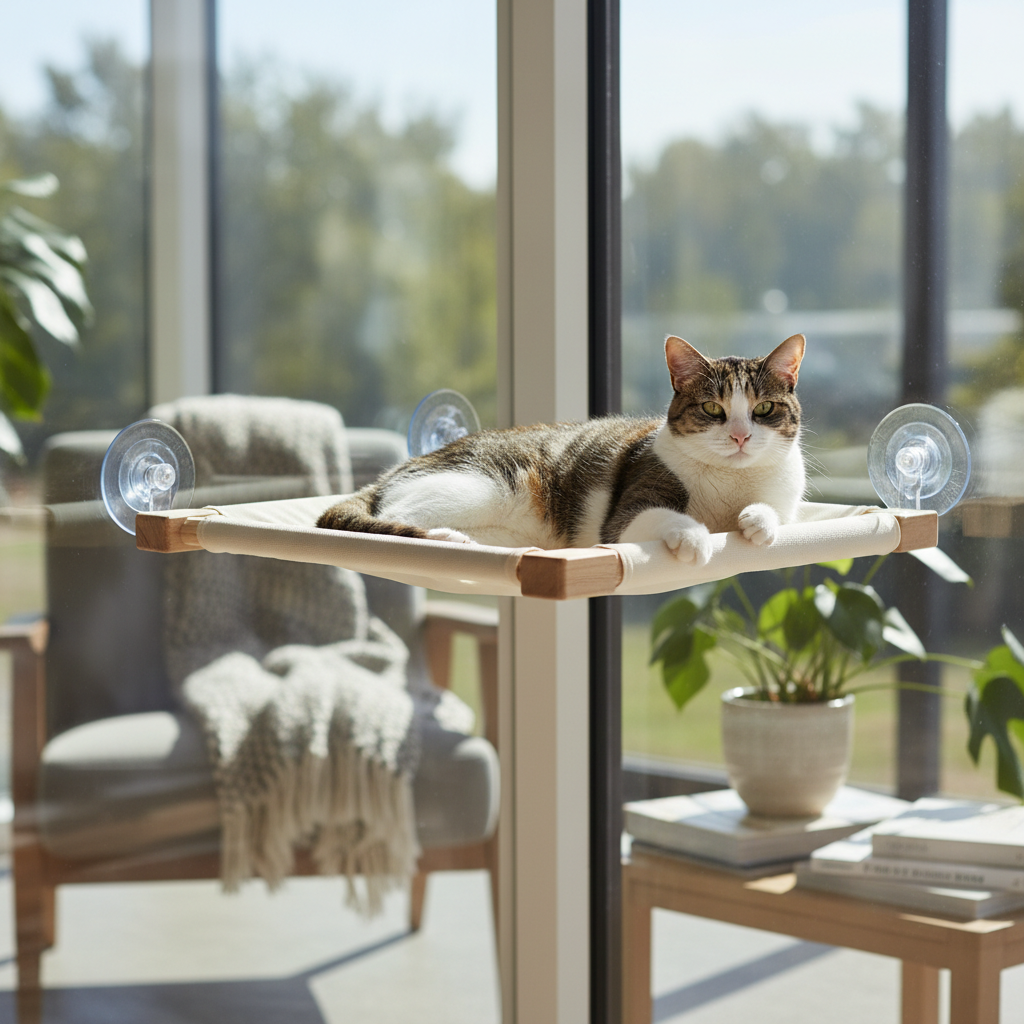
Common causes you’ll see again and again:
- Surface isn’t truly smooth: textured glass, low-E coatings, or micro-scratches can break the seal.
- Residue on the window: glass cleaner film, dust, cooking grease, or hard-water spots reduce grip.
- Temperature swings: sun-heated glass then cooled at night can slowly weaken suction.
- Side-loading: cats don’t gently sit, they leap. A sideways “kick” can peel a cup edge.
- Cheap cup material: overly stiff vinyl tends to lose conformity; better cups feel slightly tacky and flexible.
According to the ASPCA, providing environmental enrichment like perches and vertical space can help indoor cats stay mentally engaged, but any elevated setup should prioritize stability to reduce accident risk.
What “strong suction cups” really means (and what to look for)
Product listings love big numbers, but “strong” usually comes down to a handful of build choices that make suction easier to maintain after repeated use.
Here are the features that tend to matter most:
- Larger cup diameter: bigger surface area usually gives more holding power and tolerance for tiny imperfections.
- Locking levers or twist-locks: mechanical locks help keep the edge sealed and reduce slow leaks.
- Multiple cups with wide spacing: spreads load and reduces torque when your cat jumps up.
- Rigid frame + tension cables: helps the perch resist flexing, which can pry cups loose over time.
- Replaceable cups: cups wear out; being able to swap them is underrated.
Also, read “weight limits” with a little skepticism. Many brands don’t clarify whether the rating assumes a static load (cat sitting still) versus a dynamic load (cat jumping). In a lot of homes, dynamic load is the real test.
Quick self-check: will suction work on your window?
Before you buy, it’s worth doing a 60-second reality check. It saves you from blaming the perch when the window surface is the limiting factor.
- Is the glass smooth? If your window looks “frosted,” patterned, or lightly pebbled, suction often struggles.
- Does a regular suction hook hold for 24 hours? Try one in the same spot. If it drops, a cat perch probably will too.
- Any condensation issues? Bathrooms, some kitchens, and older windows can fog; moisture can break seals.
- Direct sun all afternoon? Heat can soften cups and change pressure; lock-style cups usually do better.
If this checklist throws red flags, you still have options, but you may want a backup plan like a sill-mounted bed, a floor-to-ceiling cat tree near the window, or a perch that uses braces instead of suction.
Choosing the right perch for your cat’s size and habits
Two cats can weigh the same and still stress a perch differently. A calm lounger is easy. A launch-and-land athlete is the one that finds weaknesses.
Use this table as a practical match-up when comparing cat window perches with suction cups:
| Cat behavior / home factor | What tends to work better | What to avoid |
|---|---|---|
| Big jumpers, zoomies, multi-cat traffic | Locking suction cups, wider cup spacing, rigid frame, safety tethers if included | Soft fabric hammocks with minimal structure, small cups |
| Heavier cats or “floppers” | Flat shelf-style perch with solid platform and edge support | Narrow hammocks that create a deep sag |
| Older cats or less confident climbers | Lower placement, easy step-up access, non-slip surface | High installs that require a leap from the floor |
| Hot/sunny windows | Breathable cover, lock-style cups, periodic re-press routine | Dark heat-trapping pads, no-lock cups |
Key takeaway: the “strongest” suction isn’t always the best experience. Stability plus easy access often wins, especially if you want your cat to actually use it daily.
Installation that actually holds: a step-by-step routine
Cat window perches with suction cups usually fail at install time, not because the product is doomed. The good news is that a careful install is repeatable.
1) Prep the window (don’t skip this)
- Clean the glass with soap and water, then dry it fully.
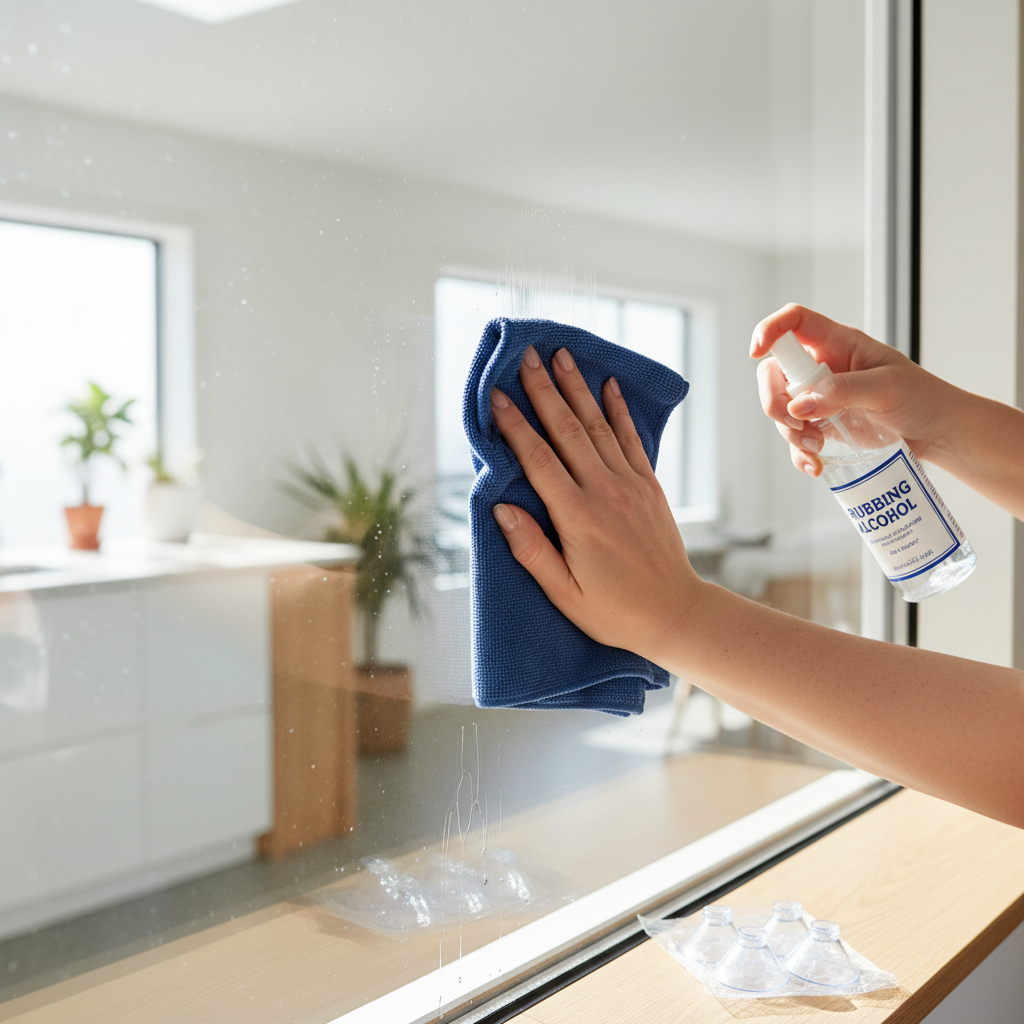
- Wipe the exact cup spots with isopropyl alcohol and a lint-free cloth.
- Wait a minute so the surface is truly dry and not just “looks dry.”
2) Warm the cups if your home is cool
- If cups feel stiff, warm them with your hands or rinse with warm water, then dry.
- Flexible cups conform better to microscopic glass imperfections.
3) Mount low first, then test
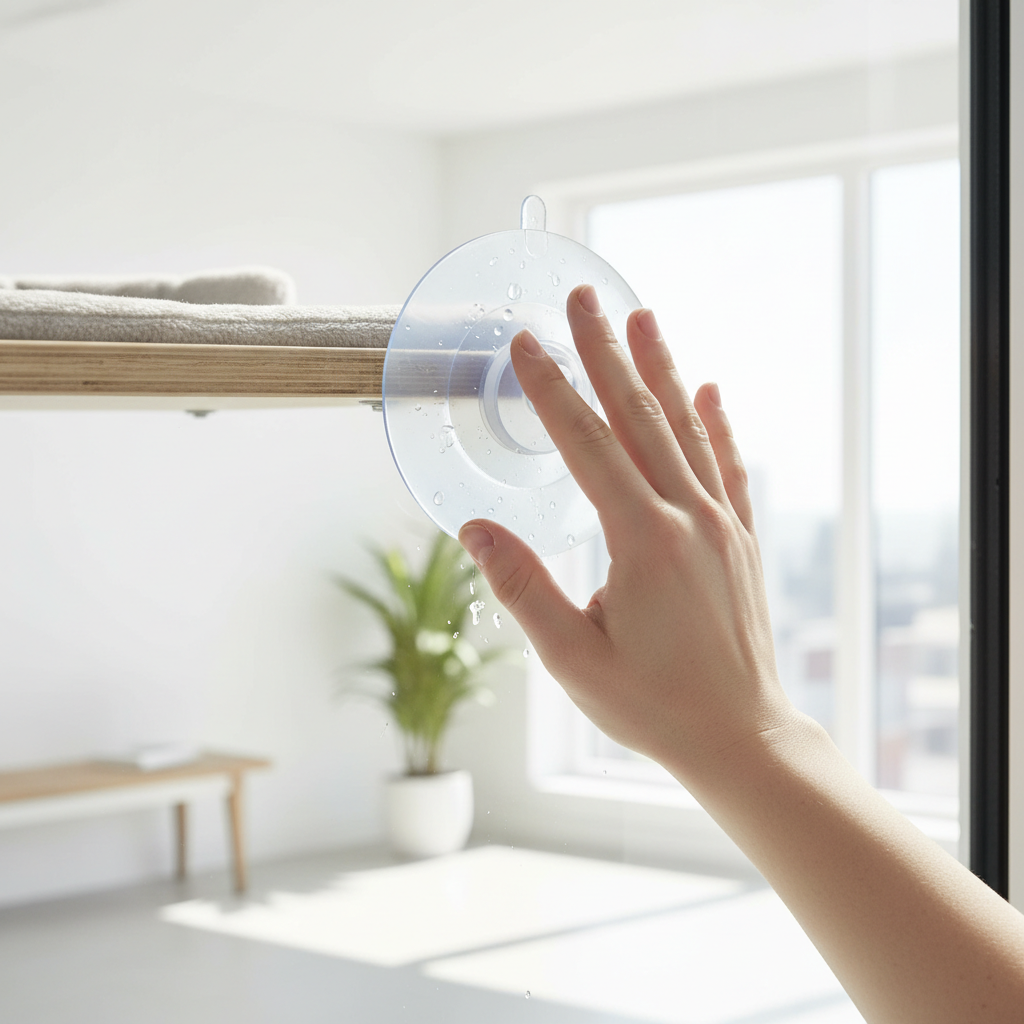
- Press each cup firmly from center outward to push out air.
- If there’s a locking lever, engage it only after you see the cup fully seated.
- Test by pulling the perch gently toward you and slightly upward, you’re checking seal, not trying to rip it off.
4) Do a “dead-weight” trial before inviting your cat
- Place a bag with books or a jug of water on the perch for 30–60 minutes.
- Watch for slow sag. If it creeps, remove and re-clean. Don’t just press harder.
According to the U.S. Consumer Product Safety Commission (CPSC), fall-related injuries are a common household risk category. For pet setups, a cautious installation and conservative placement helps lower the chance of accidents for both pets and people.
Troubleshooting: when it still slips (and what usually fixes it)
If a perch slides down over time, it’s typically a seal issue, a loading issue, or a warped frame that slowly peels a cup edge.
- Slow sag after a few hours: re-clean with alcohol, check for cleaner residue, then re-mount. Some glass sprays leave a film that feels invisible.
- One cup keeps failing: rotate cup positions. If the “bad” spot follows the cup, the cup may be deformed or worn.
- It holds until your cat jumps: lower the perch so jumps are shorter, or position a chair/cat tree as a step-up to reduce impact.
- Summer sun makes it worse: move it to a less-hot pane, or re-press cups after the glass warms up.
- Window has slight texture: suction may never be reliable there; consider a different mounting style rather than fighting physics.
Safety notes and common mistakes (worth reading once)
It’s tempting to treat suction like magic. In practice, it’s a seal that can fail, so setup choices matter.
- Don’t mount over something fragile: place it over carpet or a rug if possible, not over a glass table or a stack of breakables.
- Avoid “extra sticky” hacks: oils, petroleum jelly, and many adhesives can degrade rubber and make cups unpredictable.
- Check cups on a routine: a quick press every few days is normal maintenance, especially in hot windows.
- Watch for chewing: some cats chew straps or covers; if that happens, remove the perch and switch styles.
If your cat is senior, has mobility limits, or has a history of anxiety after falls, it may be smart to ask your veterinarian what window setup feels safest for your specific situation.
Practical setup ideas to get more use (not just a purchase)
A perch that “holds” but never gets used still feels like a miss. A few small tweaks usually make cats try it sooner.
- Start lower than you think: once your cat treats it as normal, you can raise it gradually.
- Add a step: a chair, ottoman, or cat tree near the window cuts jump impact and helps kittens and seniors.
- Make the first week easy: toss a few treats on the perch, or feed near it, then back off and let curiosity do the rest.
- Reduce slipping: if the cover is slick, add a thin non-slip layer or use a cover with more texture.
Quick key points to remember: clean glass, flexible cups, lock mechanisms when possible, and lower-impact access often matter more than chasing the highest advertised rating.
Conclusion: picking a perch that stays up and keeps your cat confident
Cat window perches with suction cups can be genuinely solid when the window surface is compatible and the perch has the right cup design, spacing, and frame stiffness for how your cat moves.
If you do one thing today, clean the window properly and run a short weight test before letting your cat commit mid-jump. If you do two things, add a step-up so the perch takes less impact, your cat will likely use it more, and the cups won’t get punished as hard.
FAQ
Do suction-cup cat window perches work on double-pane windows?
Usually yes, because double-pane refers to the window construction, not the surface texture. What matters is whether the interior glass surface is smooth, clean, and not coated or textured in a way that breaks the seal.
How often should I re-press or reattach suction cups?
Many households find a quick press every few days helps, especially on sunny windows. If you’re reattaching daily, that’s a sign the surface or cups aren’t a good match, or the perch is being side-loaded too hard.
Is it safe to put a suction perch high up?
It can be, but risk rises with height. A lower install reduces injury risk if it falls and can make cats more willing to use it, particularly seniors or cautious cats.
Why does my perch hold fine at night but slips during the day?
Heat and sunlight can change cup flexibility and pressure at the seal. If this happens, try a different pane, re-seat after the glass warms, or look for a perch with locking mechanisms.
Can I use tape or glue to “help” the suction cups?
It’s usually a bad idea. Many adhesives leave residue, can degrade the cup material, and make failures less predictable. A better fix is proper cleaning, cup replacement, or switching mounting styles.
What’s better: hammock-style or shelf-style window perch?
Hammocks feel cozy and work well for calm loungers, but they can sway with jumpy cats. Shelf styles tend to feel more stable and can be easier for heavier cats to settle into without rocking.
My cat ignores the window perch, what should I do?
Lower it, add a step-up, and make it “safe” for the first week with treats or a familiar blanket. If your cat had a prior fall, move slowly, confidence matters more than placement perfection.
If you’re trying to choose between a few cat window perches with suction cups and want a quicker short list, focus on window compatibility, lock-style cups, and a frame that doesn’t flex, it’s usually the difference between “works for a week” and “becomes your cat’s daily spot.”