
Dog itchy skin home remedy searches usually mean one thing: your dog looks miserable and you want relief today, not “sometime this week.” The good news is that a few safe, low-risk steps can calm mild itch fast while you figure out the trigger.
That said, itchy skin has a long list of causes, allergies, fleas, dry skin, hot spots, yeast, even stress licking, and the “fastest” fix depends on which bucket you’re in. If you pick the wrong remedy, you can waste time or make the skin angrier.
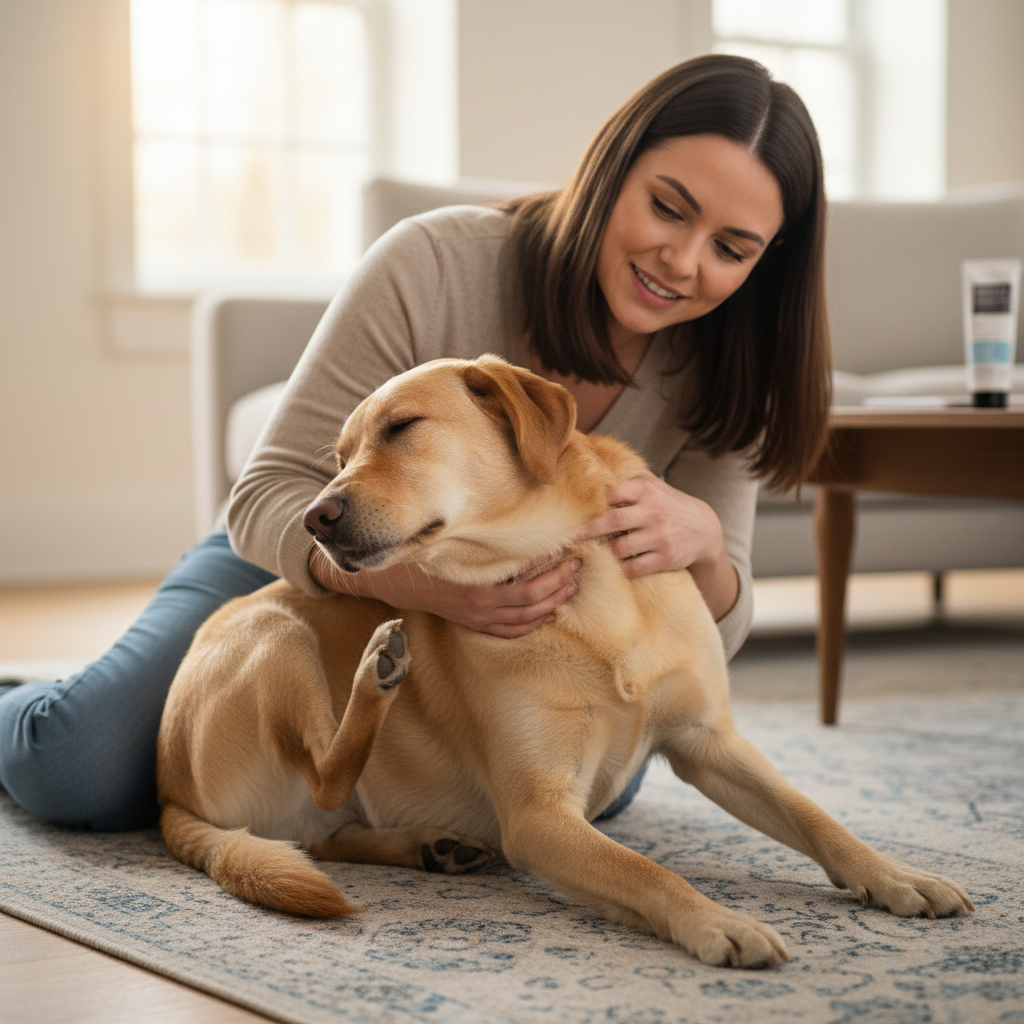
Below is a practical plan: quick relief you can do at home, a short checklist to narrow the cause, and the moments when you should stop DIY and call your vet. I’ll also flag common mistakes, because “natural” does not always mean “safe.”
Start with safety: when itching is an emergency
Some itching is annoying, some itching is a warning sign. If any of these show up, home care can wait and you should contact a veterinarian the same day, sometimes immediately.
- Facial swelling, hives, trouble breathing (possible allergic reaction).
- Open wounds, bleeding, oozing, foul odor (often infection or a hot spot).
- Severe head shaking, crying, or tilted head (ear infection or ruptured eardrum risk).
- Puppies, seniors, immune-compromised dogs with sudden intense itch.
- Itching plus vomiting/diarrhea, fever, lethargy.
According to the American Veterinary Medical Association (AVMA), skin problems are among the most common reasons dogs see a veterinarian, and infections and parasites often need targeted treatment. If you’re on the fence, a quick phone call is usually worth it.
Why dogs get itchy: the most common real-world causes
Most cases fall into a few patterns. You don’t need a perfect diagnosis at home, but having a likely category helps you choose a safer remedy.
Fleas and other parasites
Even indoor dogs get fleas. Many dogs itch the most around the base of the tail, back legs, and belly. A single flea bite can trigger days of scratching in sensitive dogs.
Environmental allergies (atopy)
Pollen, dust mites, molds, grasses. It often shows as paw licking, face rubbing, ear problems, and seasonal flare-ups. The skin may look normal at first, then turns red from self-trauma.
Food sensitivity
True food allergy is less common than people think, but it happens. It tends to be year-round, and can include ear infections or GI upset. Switching foods randomly can muddy the waters.
Dry skin, overbathing, low humidity
Flaky skin and a dull coat show up a lot in winter or after frequent shampooing, especially with harsh or fragranced products.
Yeast or bacterial overgrowth
Musty smell, greasy skin, redness between toes, and dark discoloration can point to yeast. “Hot spots” are often bacterial and can spread fast.
A quick self-check to narrow the cause (5 minutes)
Before you reach for any dog itchy skin home remedy, do a quick scan. You’re looking for clues that change what “safe” means.
- Where is the itch? Tail base (fleas), paws/face/ears (allergies), localized patch (hot spot).
- What does the skin look like? Flakes (dryness), red bumps (irritation), moist/raw (infection likely).
- Is there a smell? “Corn chips” or musty often suggests yeast.
- Any fleas or flea dirt? Comb the coat; flea dirt turns reddish-brown when wet.
- Recent changes? New treats, detergent, grooming products, yard time, boarding.
- How fast is it escalating? Hot spots can worsen over hours, not days.
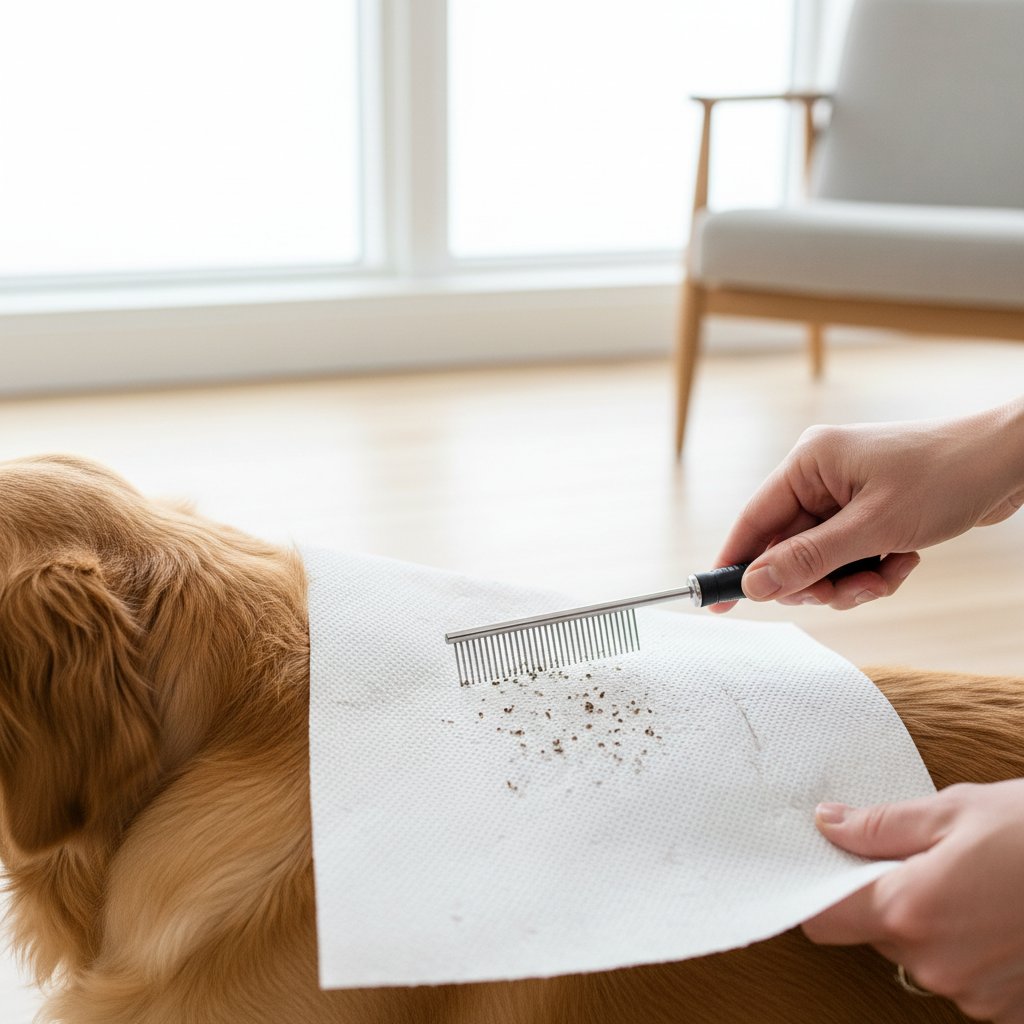
If you see moist, raw skin or spreading redness, skip to the “when to get help” section. Otherwise, you can start with comfort care while you address the likely trigger.
Fast home relief that’s usually low-risk
These options are about calming the skin barrier and breaking the itch-scratch cycle. They’re not a substitute for parasite prevention or prescription meds when those are needed, but they often buy you time and comfort.
1) Cool compress for “hot” itchy spots
Use a clean washcloth soaked in cool water, wring it out, hold on the itchy area for 3–5 minutes, repeat a couple times. This is boring but effective, and it avoids ingredient risks.
2) Oatmeal soak or oatmeal dog shampoo
Colloidal oatmeal can soothe irritated skin. Use a pet-safe oatmeal shampoo or make a simple soak with finely ground plain oats in lukewarm water, then rinse lightly if residue bothers your dog.
Tip: Avoid very hot water. Heat can increase itching.
3) Rinse off allergens after outdoor time
If the itch flares after walks, do a quick paw and belly rinse with lukewarm water, then dry well. Many dogs improve just from removing pollen and grass residue.
4) Moisturize safely (small areas only)
For mild dryness, a thin layer of a pet-formulated moisturizing spray or balm can help. If you use anything lickable, apply very sparingly and supervise. Greasy products can trap moisture and worsen yeast in skin folds.
5) Stop the damage: e-collar or recovery cone
Not glamorous, but it’s often the “fast” part of a dog itchy skin home remedy. If your dog can’t reach the spot, it can finally calm down. Even 24 hours of reduced chewing can change the outcome.
Choose the right remedy by scenario (with a simple table)
If you’re trying to move quickly, match the likely cause to a reasonable first move. This is intentionally conservative.
| What you notice | Likely category | What to try today | What not to do |
|---|---|---|---|
| Itch worst at tail base, flea dirt in coat | Fleas | Start vet-recommended flea control, wash bedding, vacuum, cool compress on hot areas | Assume “no fleas” because you didn’t see one |
| Paw licking, face rubbing, seasonal pattern | Environmental allergies | Paw/belly rinse after walks, oatmeal bath, cone if chewing, talk to vet about allergy meds | Use essential oils on skin |
| Greasy skin, musty smell, red between toes | Yeast overgrowth | Keep areas dry, schedule vet visit for antifungal plan, prevent licking | Smother with heavy oils or ointments |
| One rapidly worsening wet patch | Hot spot/infection | Clip hair if safe, keep dry, cone, vet ASAP | Wait several days “to see” |
| Flakes, dull coat, winter itch | Dry skin | Reduce bathing, use gentle dog shampoo, consider vet-approved omega-3s | Use human dandruff shampoos |
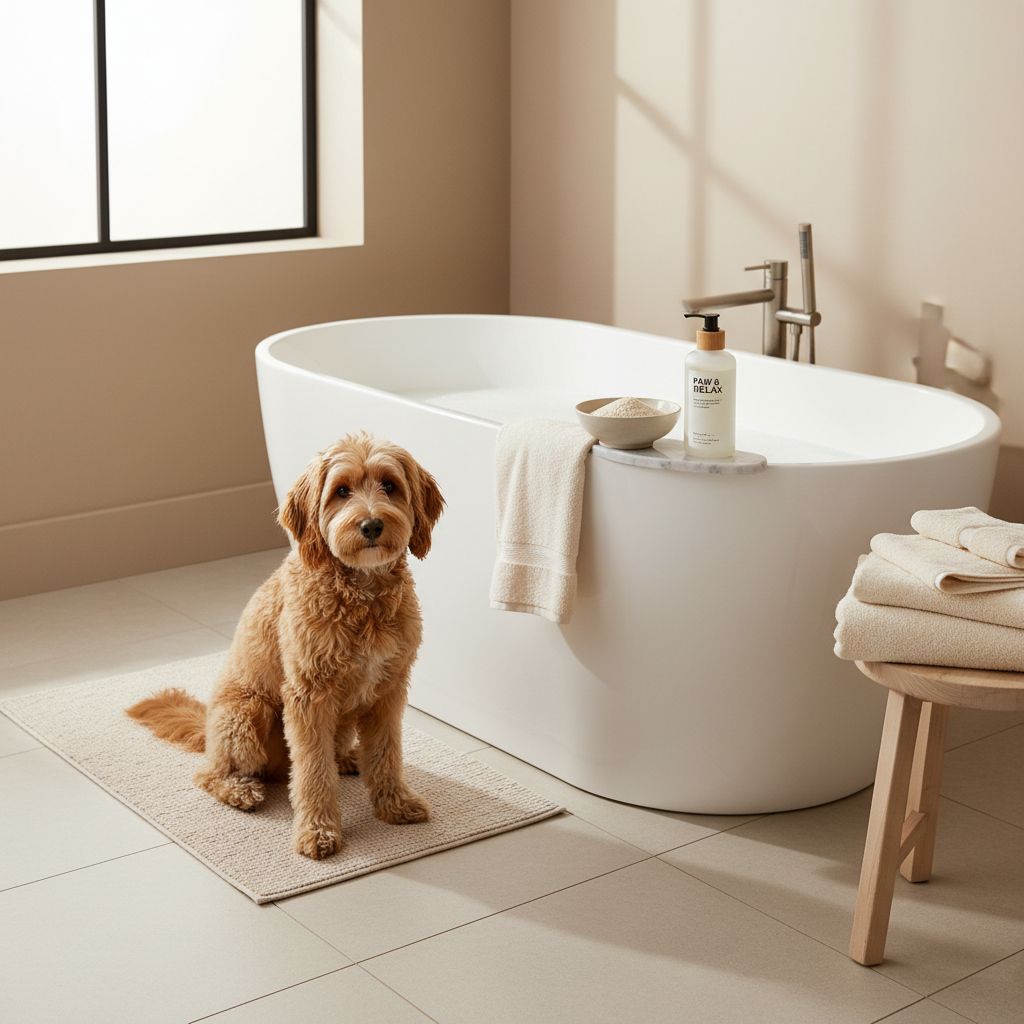
Practical step-by-step: a 24-hour “calm the itch” plan
If your dog seems uncomfortable but not in the emergency category, this sequence is a reasonable way to get fast relief and avoid making things worse.
- Step 1: Inspect with good light, check paws, belly, ears, tail base, and look for fleas/flea dirt.
- Step 2: Cool it down using a cool compress on the worst spot.
- Step 3: Clean gently with an oatmeal bath or quick rinse, then dry thoroughly, especially between toes and in folds.
- Step 4: Block licking with a cone, inflatable collar, or a clean T-shirt for body areas.
- Step 5: Tackle the trigger (start flea prevention if suspected, reduce allergen exposure, stop the new grooming product).
- Step 6: Re-check tonight for spreading redness, swelling, odor, or new moist spots.
According to the American Kennel Club (AKC), persistent scratching can signal allergies, parasites, or infections, and delaying care for infected skin often leads to bigger problems. If symptoms keep escalating, that’s your cue to change course.
Common mistakes that keep itching going
A lot of “home remedy” advice online fails because it ignores how sensitive inflamed dog skin becomes. A few missteps show up over and over.
- Using human products like essential oils, witch hazel mixes, or medicated shampoos without vet guidance, irritation risk is real.
- Overbathing to “wash away the itch,” which strips oils and can worsen dryness or inflammation.
- Skipping parasite control because you don’t see fleas; in many households, fleas are intermittent and easy to miss.
- Letting licking continue because you feel bad using a cone, this is how small irritation becomes infection.
- Switching foods repeatedly in panic; if food is a concern, your vet may recommend a structured elimination diet.
If you want one guiding rule: choose interventions that cool, cleanse gently, and prevent self-trauma, and be cautious with anything “active” that can sting.
When to stop DIY and involve a professional
Home care has limits. You’ll usually get better results, faster, if you get veterinary help when patterns point to infection or chronic allergy.
- Itching lasts more than 3–5 days despite conservative care.
- You see hair loss, thickened skin, dark pigmentation, or repeated ear issues.
- There’s odor, greasiness, pus, crusts, or pain when touched.
- Your dog has frequent flare-ups that disrupt sleep, yours or theirs.
Veterinarians can check for mites, yeast, bacteria, and recommend proven medications or medicated shampoos. According to the U.S. Food and Drug Administration (FDA), you should use flea and tick products as directed and contact a veterinarian if you suspect an adverse reaction.
Key takeaways (keep this simple)
- Fast relief usually comes from cool compresses, oatmeal bathing, rinsing allergens, and stopping licking.
- Fleas are common even when you don’t spot them, check tail base and use appropriate prevention.
- Moist, smelly, or rapidly spreading spots often mean infection, don’t wait it out.
- Natural does not equal harmless, avoid essential oils and strong DIY mixes on irritated skin.
Conclusion: calm today, then fix the cause
A dog itchy skin home remedy can be genuinely helpful when you stick to low-risk soothing steps and keep an eye out for infection signs. The goal for the next 24 hours is comfort and skin protection, then you pivot to whatever the real driver is, fleas, allergies, dryness, or something else.
If you do one thing after reading this, make it this: check for parasites, cool the hottest areas, and use a cone sooner than you think you need. That combination prevents a lot of “it got worse overnight” stories.
FAQ
What is the fastest dog itchy skin home remedy for tonight?
For many mild cases, a cool compress plus preventing licking is the quickest comfort combo. If allergens are suspected, a quick rinse and thorough dry can also reduce itch within hours.
Can I use coconut oil for my dog’s itchy skin?
Sometimes a tiny amount helps dry, flaky skin, but it can backfire with yeast-prone areas because it traps moisture and encourages licking. If the skin smells musty or looks greasy, skip oils and talk to your vet.
Is apple cider vinegar safe for itchy dog skin?
It’s a common internet suggestion, but it can sting on inflamed or broken skin and may worsen irritation. If there are scratches, redness, or hot spots, it’s usually safer to stick to cool water, oatmeal, and vet advice.
How do I know if my dog’s itching is allergies or fleas?
Flea itch often clusters near the tail base and back legs, and you may find flea dirt with a comb. Allergies more often show paw licking, face rubbing, and recurring ear issues, sometimes seasonal.
What home remedy helps dog paws that won’t stop licking?
Rinsing paws after outdoor time, drying well between toes, and using an e-collar to interrupt licking helps quickly. If paws look red, smell yeasty, or feel warm, you may need a vet visit for targeted treatment.
When should I take my dog to the vet for itchy skin?
If itching persists beyond a few days, if there’s odor, oozing, pain, or a spreading moist patch, get help sooner. Chronic flare-ups also deserve a plan, because repeated inflammation often leads to infections.
Can I give my dog an over-the-counter antihistamine?
Some antihistamines are used for dogs, but dosing and suitability depend on your dog’s size, health conditions, and other medications. It’s safer to call your veterinarian before giving any human medication.
If you’re trying to get a handle on recurring itch, it can help to keep a simple log of flare-ups, diet changes, grooming products, and where your dog walks, then share it with your vet or a professional groomer who works with sensitive-skin dogs, it often shortens the trial-and-error phase.