
Choosing the best dog rain jackets reflective comes down to two things most people underestimate: how the jacket fits in motion, and whether the “reflective” parts actually show up under headlights.
If you walk your dog near roads, in early mornings, or during winter evenings, rain gear stops being a cute accessory and turns into a safety item. Wet fur can lead to chills for some dogs, and low visibility is a real risk when drivers have less time to react.
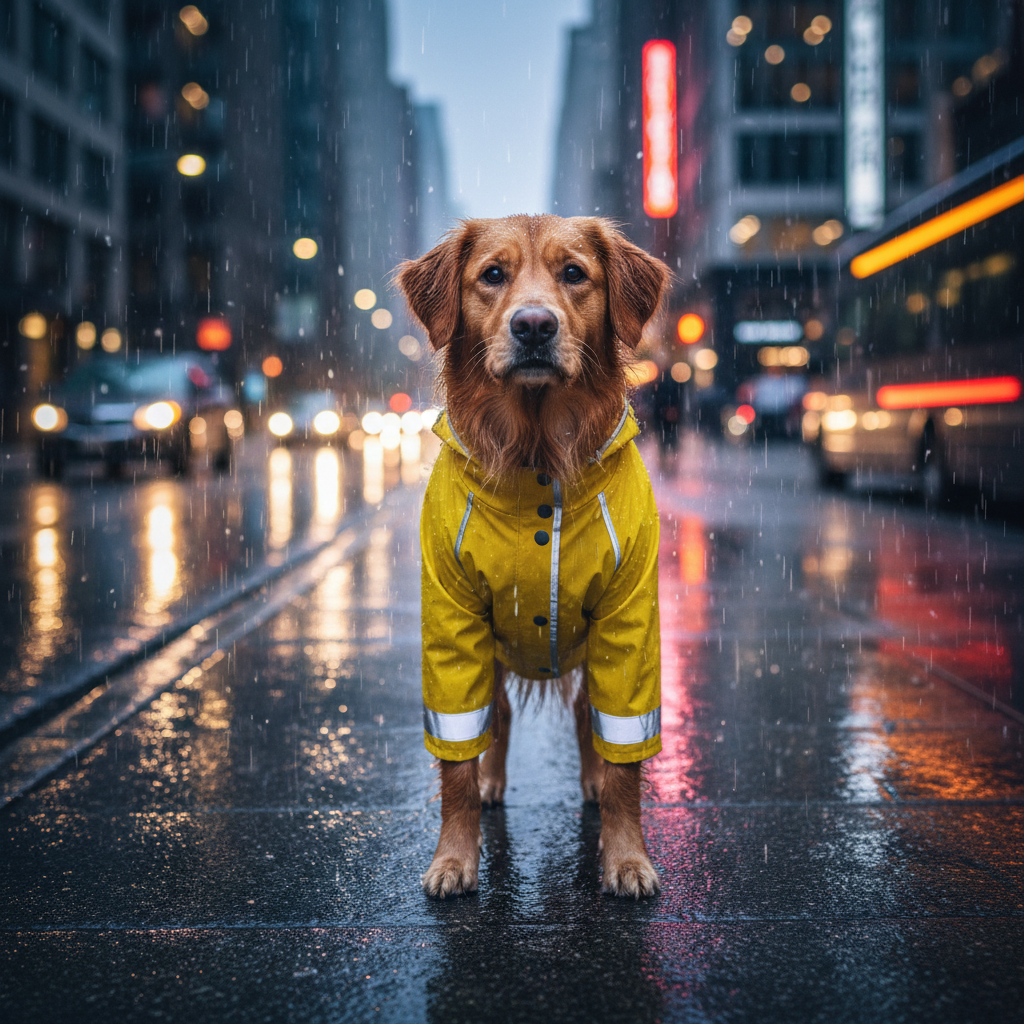
This guide keeps it practical: what “reflective” should mean, how to pick materials that handle real downpours, a fast sizing checklist, and a comparison table to narrow options without guesswork.
What “reflective” should mean on a dog rain jacket
Many jackets advertise reflective features, but the useful ones share a few traits. You want reflective material coverage that’s visible from multiple angles, not just a tiny logo on the back.
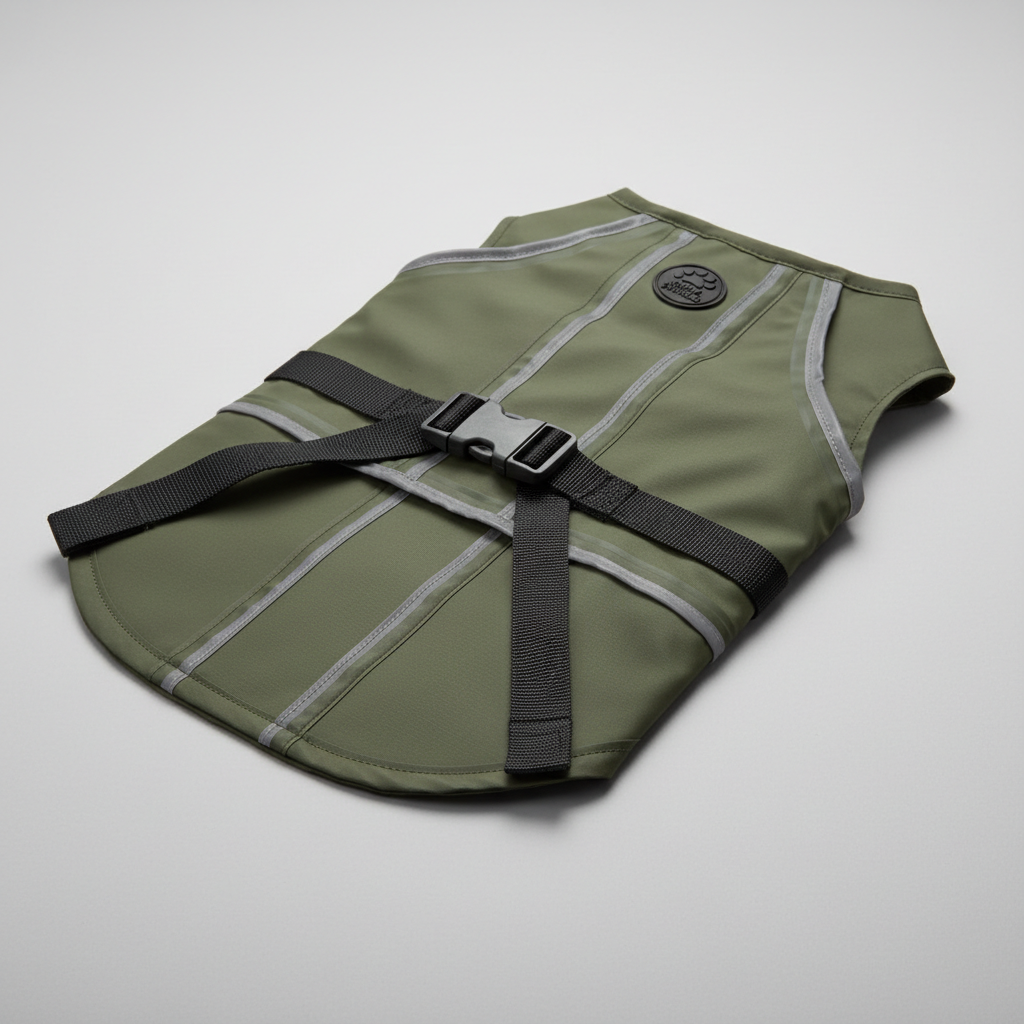
- Reflective piping or panels along the sides and chest: cars rarely approach perfectly from behind.
- High-contrast color (yellow, orange, bright blue) plus reflectivity: reflectors work best when drivers already notice movement.
- Placement that stays exposed when the leash attaches: some jackets hide reflective trim under straps.
According to the American Kennel Club (AKC), visibility gear like reflective accessories can help make dogs easier to spot on walks, especially in low-light conditions. A rain jacket that combines weather protection with visibility often does double duty.
Quick comparison table: features that matter most
This isn’t a “top 10” list because the best choice depends on your dog’s build, climate, and walking routes. Use the table to match features to your situation, then shop within that spec.
| Use case | What to prioritize | Good signs in product photos/spec | Common pitfalls |
|---|---|---|---|
| City walks near traffic | 360° reflectivity, secure fit | Side panels/piping, belly straps, leash port | Reflective logo only, loose hem flapping |
| Heavy rain + puddles | Waterproof shell, sealed seams, belly coverage | “Waterproof” (not just water-resistant), taped seams | Soaks through at seams, thin lining that clings |
| Cold rain / shoulder seasons | Light insulation, wind blocking | Soft inner layer, high neck, longer back | Overheating on active dogs, stiff fabric |
| Hiking / brushy trails | Durability, freedom of movement | Ripstop fabric, articulated shoulders, adjustable cuffs | Tears easily, noisy material spooks some dogs |
How to choose the right material (without getting lost in jargon)
Fabric language in listings gets messy fast, so here’s the real-world translation. For the best dog rain jackets reflective category, you’re balancing waterproofing, breathability, and comfort.
Water-resistant vs. waterproof
- Water-resistant: handles drizzle, short walks, light splashes. In sustained rain, it often wets out.
- Waterproof: better for steady rain, usually paired with seam taping or sealed stitching.
If you routinely walk 30–60 minutes in real rain, you’ll usually feel the difference by week two, the “cute water-resistant coat” starts smelling damp and never fully dries.
Breathability and lining
- Breathable shells help reduce that clammy feeling, especially on double-coated breeds.
- Mesh lining can prevent sticking and matting when the jacket gets damp inside.
- Fleece lining suits cold rain, but on high-energy dogs it can run hot.
Fit & sizing: a fast checklist that prevents returns
Most sizing problems come from measuring once, then buying a jacket that assumes your dog has “standard” proportions. Bulldogs, deep-chested breeds, and long-backed dogs break that assumption immediately.
- Neck: snug enough to block rain, loose enough for comfortable panting.
- Chest girth: the most important measurement for mobility.
- Back length: coverage without sitting on the tail base.
- Leg openings: no rubbing at armpits, especially on front legs.
- Belly coverage: helpful for short-haired dogs, but must allow bathroom breaks.
Quick self-test: after putting the jacket on, ask your dog to sit, shake, and walk a few steps. If the jacket twists, rides up, or bunches behind the front legs, sizing or cut is off even if the measurements “technically” match.
Key features that separate “okay” from actually good
Once material and fit pass the sniff test, details matter. A few smart features make reflective rain gear feel like it was designed by someone who actually walks a dog in bad weather.
- Leash access port: lets you clip to a harness under the jacket without exposing the dog’s back to rain.
- Adjustable belly strap: reduces flapping and keeps reflective sections facing outward.
- Higher collar or hood: helpful for wind-driven rain, though some dogs dislike hoods touching ears.
- Easy-clean surfaces: mud happens, and some fabrics rinse off better than others.
- Reflective coverage: look for trim on both sides plus rear, not a single strip.
According to the ASPCA, weather conditions can affect pet safety during outdoor time, and owners should take precautions in harsh conditions. A well-designed rain jacket can be one part of that “precautions” bucket, along with route choice and timing.
Practical buying picks by scenario (so you don’t overbuy)
People often buy the most rugged jacket they can find, then the dog hates wearing it because it’s stiff or noisy. Match the jacket to your routine.
If your main issue is dark, wet street walks
- Prioritize high reflectivity + bright color, plus a stable belly strap.
- Choose a quieter fabric if your dog startles easily.
- Pair with a reflective leash or light, since visibility works best in layers.
If your main issue is soaking rain and long walks
- Look for “waterproof” language plus sealed or taped seams when available.
- Consider more belly coverage, especially for small dogs closer to splash zones.
- Avoid heavy insulation unless you walk in cold rain consistently.
If you hike or deal with brush
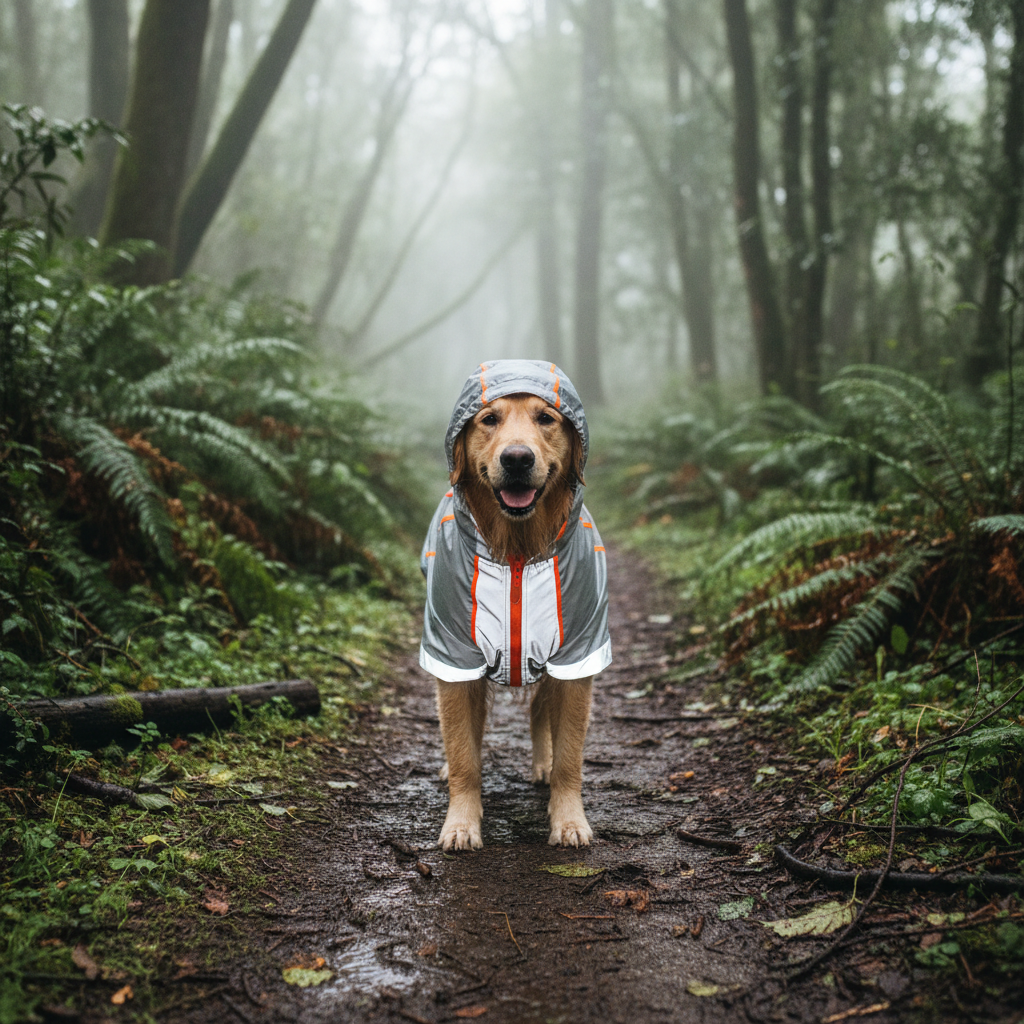
- Pick a durable weave (often described as ripstop) and a cut that frees shoulders.
- Reflective trim still matters, trailheads and parking lots can be dim.
- Check closure strength, Velcro can collect debris and lose grip over time.
Common mistakes (and what to do instead)
Most disappointments are predictable, and fixing them usually costs less than buying a second jacket out of frustration.
- Mistake: treating “reflective” as a checkbox.
Do this instead: check photos for side visibility, and confirm reflective material isn’t blocked by harness straps. - Mistake: buying too big “for layering.”
Do this instead: choose adjustability, then size for movement. Oversized jackets twist, reflectivity points the wrong way. - Mistake: skipping a harness plan.
Do this instead: decide whether the jacket goes over or under a harness, then shop for a leash port or compatible shape. - Mistake: ignoring chafing risk.
Do this instead: check armpit area after the first two walks, redness means fit or cut needs changing.
When to ask a professional (safety and comfort edge cases)
If your dog has skin allergies, post-surgery sensitivity, or mobility issues, the wrong jacket can cause rubbing or stress even if it looks perfect on paper. In those cases, it’s reasonable to ask your veterinarian or a qualified trainer about safe gear choices and acclimation, especially if your dog shows anxiety around clothing.
Also, if your neighborhood has fast traffic and poor lighting, consider adding a clip-on LED light and choosing safer routes. Reflective gear helps, but it doesn’t replace cautious walking habits.
Conclusion: a simple way to pick the right reflective rain jacket
The best dog rain jackets reflective are the ones your dog will actually wear, that stay visible from the side, and that keep rain off without turning into a stiff, noisy shell. Start with your real walking conditions, confirm fit with a quick movement test, then only pay extra for features you’ll use weekly.
If you want a clean next step, pick one “must-have” from each bucket: visibility (360° trim), weather protection (waterproof if you need it), and fit control (adjustable belly strap). Your return rate drops fast when you shop that way.