
Best kitten milk replacers matter most when a kitten can’t nurse, and the wrong choice or mixing ratio can trigger diarrhea, dehydration, and stalled weight gain fast.
If you’re shopping in 2026, the hard part is not finding options, it’s sorting marketing from what actually fits your kitten’s age, digestion, and feeding method. A “good” formula on paper can still go poorly if it clumps, upsets a sensitive stomach, or doesn’t work with your bottle nipple.
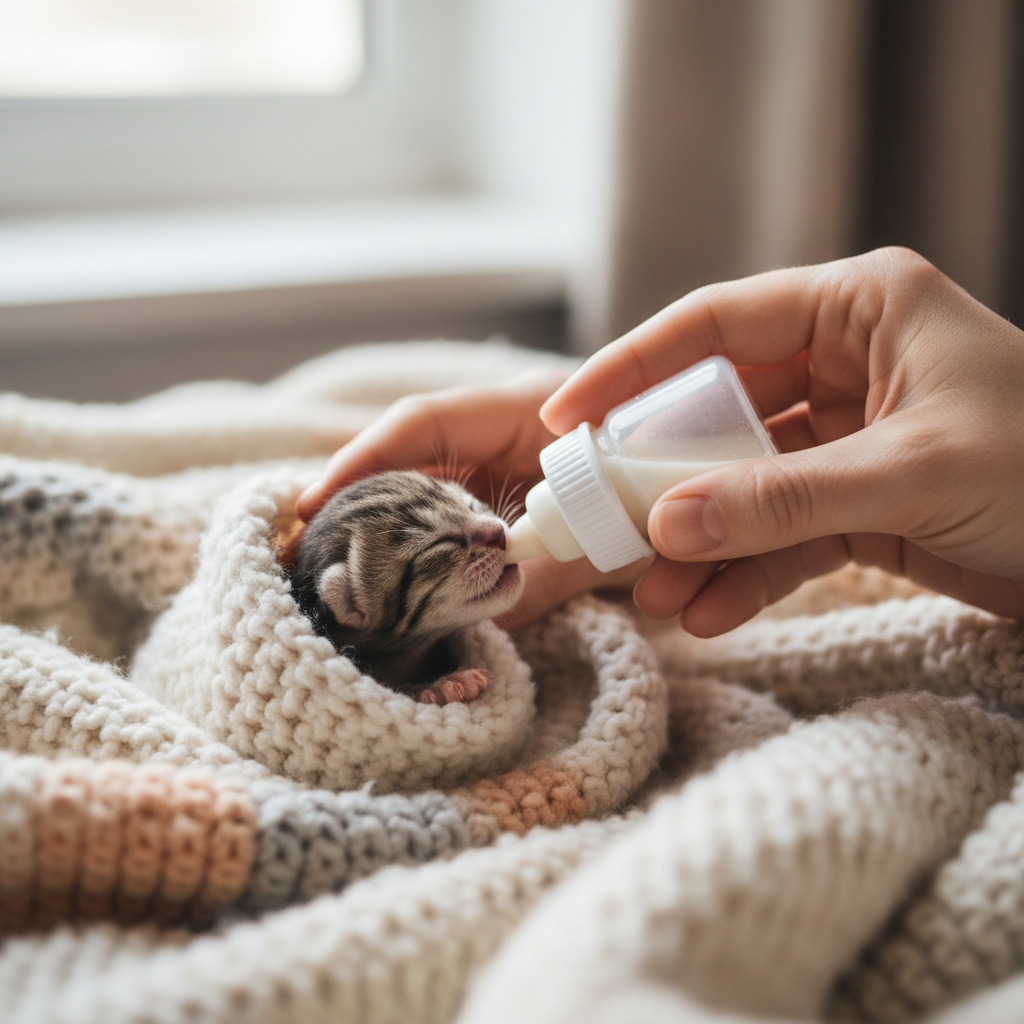
This guide focuses on what usually makes a milk replacer work in real homes: ingredient profile and digestibility, how easy it mixes, how predictable stools stay, and whether it’s practical for late-night feeds. I’ll also share a simple selection checklist, a comparison table, and feeding tips that reduce “I think I did everything right” stress.
Quick pick: what “best” usually means for kitten milk replacers
“Best” is rarely one universal product, it’s the best match for your situation: neonate vs. weaning, one kitten vs. a litter, bottle vs. syringe vs. tube (only with professional guidance), and whether GI upset has already started.
- Digestibility first: formulas designed for kittens, not cow’s milk, with protein and fat profiles that kittens tolerate better.
- Mixing consistency: fewer clumps, stable dilution, and clear instructions. Clumping often leads to nipple blockages and underfeeding.
- Availability: the “best” option you can’t buy again next week becomes a problem quickly.
- Feeding flexibility: works with bottles and small nipples, and can be refrigerated safely after mixing when handled correctly.
According to the American Veterinary Medical Association (AVMA), newborn animals that cannot nurse need appropriate species-specific nutrition and veterinary guidance to prevent complications, especially dehydration and hypoglycemia.
Comparison table: popular types of kitten milk replacers (how to choose)
Brands come and go, and formulas get reformulated, so I’m not going to pretend a single ranked list stays perfect all year. Instead, use this table to map “type” to “fit,” then confirm the current label and your vet’s advice.
| Type | Best for | Pros | Watch-outs |
|---|---|---|---|
| Powder kitten milk replacer | Most households, routine feeding | Cost-effective, longer shelf life, easy to scale for litters | Clumping if mixed poorly, measuring errors if rushed |
| Ready-to-feed (liquid) | Emergencies, travel, first-time feeders | Convenient, consistent texture, fewer mixing mistakes | Higher cost, shorter shelf life once opened |
| Goat milk–based kitten formula (kitten-specific) | Sensitive stomachs (sometimes) | Some kittens tolerate it well, tends to mix smoothly | Not all goat milk products are nutritionally complete for kittens |
| Veterinary or rescue-grade specialized formula | Failure to thrive, premies, medical complexity | Targeted support options, clearer clinical use cases | May be harder to source, use under professional guidance |
How to evaluate a formula label without overthinking it
When people search best kitten milk replacers, they often want a shortcut. I get it, but labels still matter because kittens are unforgiving when nutrition is off.
- It should say “for kittens” and be positioned as a milk replacer, not a general “goat milk topper.”
- Clear mixing directions in scoops-to-water (or grams-to-ml). If instructions feel vague, mistakes happen at 2 a.m.
- Complete nutrition claims for growth. If it’s “supplemental feeding only,” it may not cover all needs.
- Smell and texture after mixing: sour smell, persistent foam, or gritty sediment can signal spoilage or poor mixing.
According to the American Association of Feline Practitioners (AAFP), proper nutrition and early-life care strongly influence kitten health, and orphaned kittens are higher-risk, so cautious feeding and close monitoring are warranted.
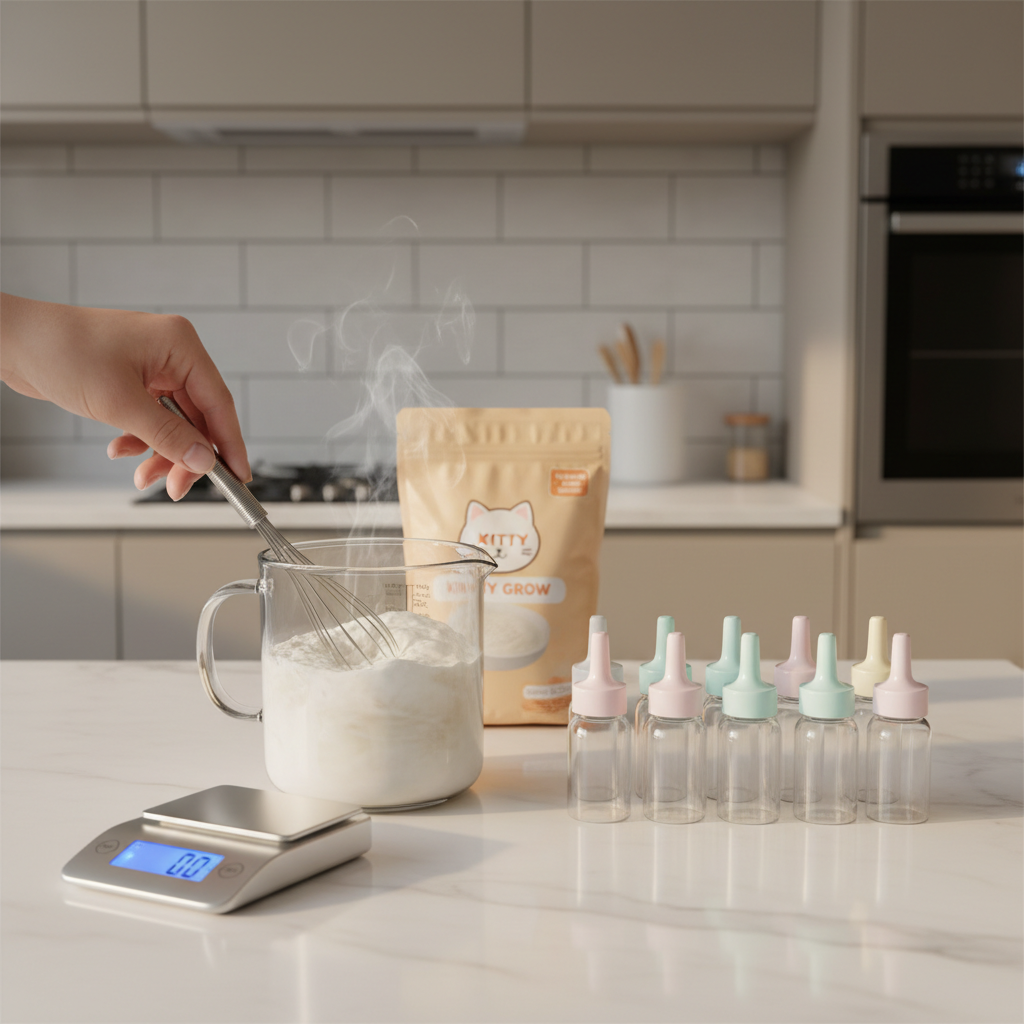
One more practical test that people skip: mix a single small batch and run it through your actual nipple. If it blocks, your feeding will slow down, kittens tire out, and intake drops.
Self-check: which scenario are you in?
This is the fastest way to pick among “best” options without spiraling into reviews.
- Neonate (0–2 weeks), weak latch, needs frequent feeds: prioritize easy-flow, consistently mixed formula and strict warming/handling.
- 2–4 weeks, starting to wiggle and bite nipples: you may want a formula that stays smooth as it cools and doesn’t separate quickly.
- 4–6+ weeks, weaning phase: consider a formula that transitions well into gruel with wet food, less drama for GI.
- Diarrhea or bloating already happening: stop “experimenting” daily, stabilize one kitten-appropriate formula and call a veterinarian if stools are watery or the kitten seems dull.
- Rescue litter logistics: availability and shelf life can matter as much as the ingredient panel.
Practical feeding steps that prevent most problems
A lot of issues blamed on formula are actually temperature, dilution, sanitation, or feeding posture. Here’s the routine that usually reduces setbacks.
Mixing and storage (the boring part that saves kittens)
- Measure carefully using the scoop provided or, better, a small digital scale if instructions include grams.
- Use warm water (not hot) to reduce clumps, then let foam settle before filling the bottle.
- Label the container with time mixed, and refrigerate promptly. Discard if it smells off or sits warm too long.
- Warm the portion by placing the bottle in warm water, avoid microwaving because hot spots can burn mouths.
Feeding technique that supports safety
- Keep the kitten belly-down (prone), like nursing from mom, not on its back.
- Let the kitten suckle; forcing flow can increase aspiration risk, which is an emergency.
- Track intake and weight daily. The scale tells you more truth than the “full belly” guess.
According to ASPCA, orphaned kittens require frequent feeding, warmth, and careful handling, and they recommend contacting a veterinarian or experienced rescue if you’re unsure about technique or schedules.
Common mistakes when shopping for the “best” replacer
These are the patterns that cause the most backtracking, even with a decent product.
- Using cow’s milk or random “milk” from the grocery aisle: it often causes GI upset in kittens.
- Switching formulas too quickly: if stools loosen, people jump brands daily, and the gut never stabilizes.
- Over-concentrating to “help weight gain”: thicker formula can dehydrate and worsen diarrhea.
- Feeding too cold or too fast: kittens refuse cold formula, and fast flow increases coughing and aspiration risk.
- Skipping stimulation for elimination in very young kittens: constipation and belly discomfort get misread as “formula intolerance.”
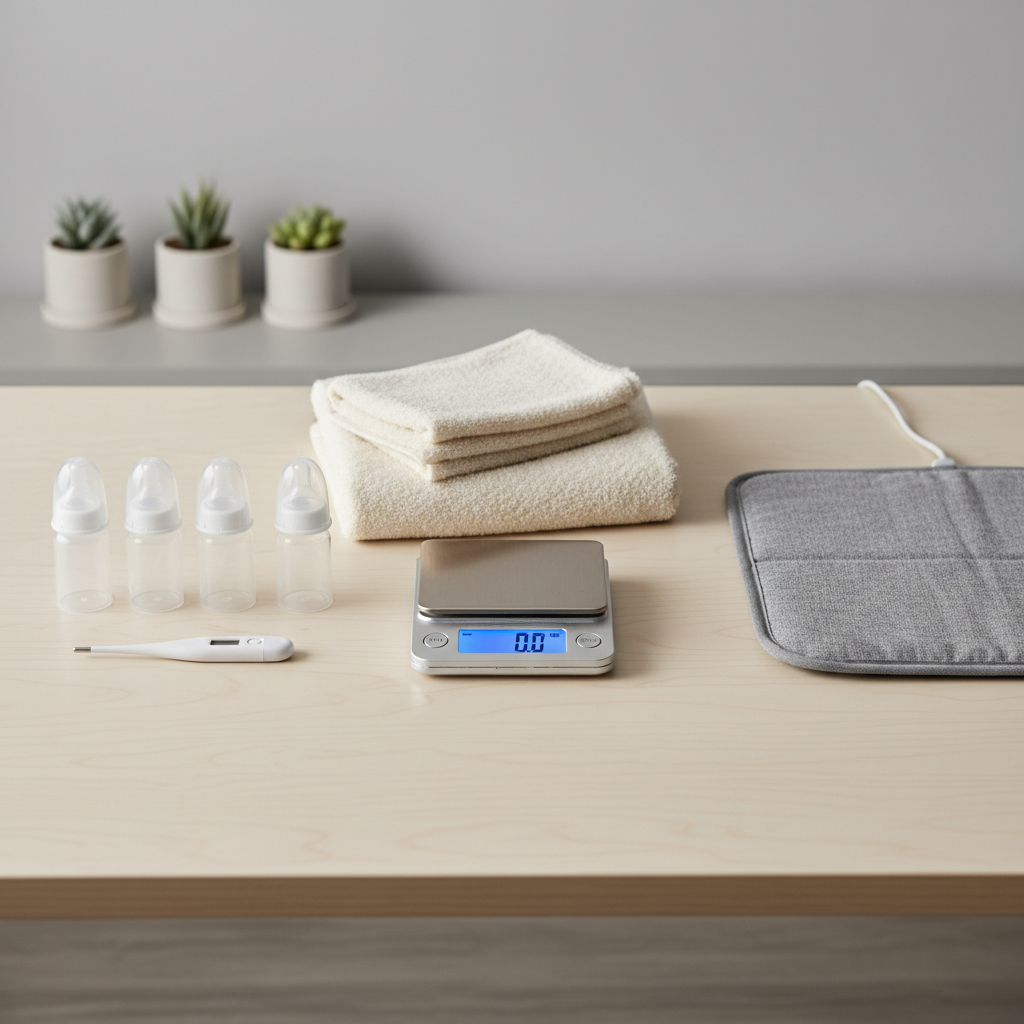
If you’re comparing best kitten milk replacers and every review contradicts the next, anchor your decision on what you can control: correct dilution, hygiene, steady routine, and daily weigh-ins. That combination often beats a “perfect” formula used inconsistently.
When to involve a veterinarian (don’t wait too long)
Kittens can crash quickly, so err on the cautious side. If you see any of the following, professional help is worth it.
- Watery diarrhea lasting more than a day, or diarrhea plus lethargy
- Coughing, choking, milk from the nose during feeds, possible aspiration
- Not gaining weight over 24–48 hours, or losing weight
- Signs of dehydration such as tacky gums, weakness, or poor skin elasticity
- Bloated belly with no stool or repeated vomiting
According to Cornell University College of Veterinary Medicine, young kittens are especially vulnerable to dehydration and hypoglycemia, and prompt veterinary guidance can be life-saving when intake or stools change suddenly.
Key takeaways (so you can decide today)
- Pick kitten-specific nutrition, then focus on consistency and correct mixing.
- Powder works for most people, ready-to-feed helps when you want fewer variables.
- Track weight daily; it’s the clearest signal that feeding is working.
- Don’t chase reviews when a kitten is unstable, stabilize one safe option and consult a vet if symptoms escalate.
If you want a simple next step, choose one reputable kitten milk replacer you can reliably restock, do a careful small test batch, and commit to a steady routine for at least a couple days while monitoring weight and stools.
FAQ
What is the safest milk replacer for a newborn kitten?
Usually a kitten-specific milk replacer used exactly as directed is the safer starting point. Newborns are fragile, so if the kitten is weak, chilled, or not swallowing well, a veterinarian or experienced rescue should guide feeding.
Is goat milk a good kitten milk replacer?
Some kitten formulas use goat milk as a base and can work well, especially when mixing smoothness and tolerance matter. Plain goat milk from the grocery aisle is often not nutritionally complete for kittens, so check that it’s formulated as a kitten milk replacer.
How do I know if the formula is upsetting my kitten’s stomach?
Frequent watery stools, bloating, and poor weight gain are common red flags, but dilution errors and cold feeds can look similar. If diarrhea persists or the kitten becomes lethargic, contact a veterinarian because dehydration can develop quickly.
Can I switch kitten milk replacer brands immediately?
In many cases, a gradual transition is easier on digestion, but emergencies happen and sometimes you must switch based on what’s available. If you switch, watch stools and weight closely and avoid rapid back-and-forth changes.
How long can mixed kitten milk replacer stay in the fridge?
It depends on the product instructions, so follow the label. If there’s any sour smell, separation that won’t remix, or questionable handling time, it’s safer to discard and mix fresh.
What temperature should kitten formula be when feeding?
Warm, not hot, is the usual target. A simple check is placing a drop on your wrist; it should feel slightly warm. Overheating can burn, and cold formula often reduces intake.
Do I need a bottle, or can I use a syringe?
A bottle with a proper nipple is commonly used, while syringes can be helpful in specific situations but can increase aspiration risk if flow is forced. If a kitten struggles to latch or keeps coughing, professional guidance is a good idea.
Lightweight next step
If you’re trying to narrow down best kitten milk replacers without buying five different tubs, start by picking one kitten-specific option you can restock locally, then ask your veterinarian or a reputable local rescue which formulas tend to be well-tolerated in your area, that small bit of context often saves time and stress.