
Best cat food for kittens is the one that matches your kitten’s age, digestion, and growth pace, not the one with the loudest marketing on the bag.
If you’re comparing foods and feeling stuck, you’re not alone, kitten diets look “similar” until you read the label and notice the differences in calories, protein quality, DHA, and how the company tests safety. The wrong match often shows up as loose stool, picky eating, or slow, uneven growth, and then you’re back to switching bags again.
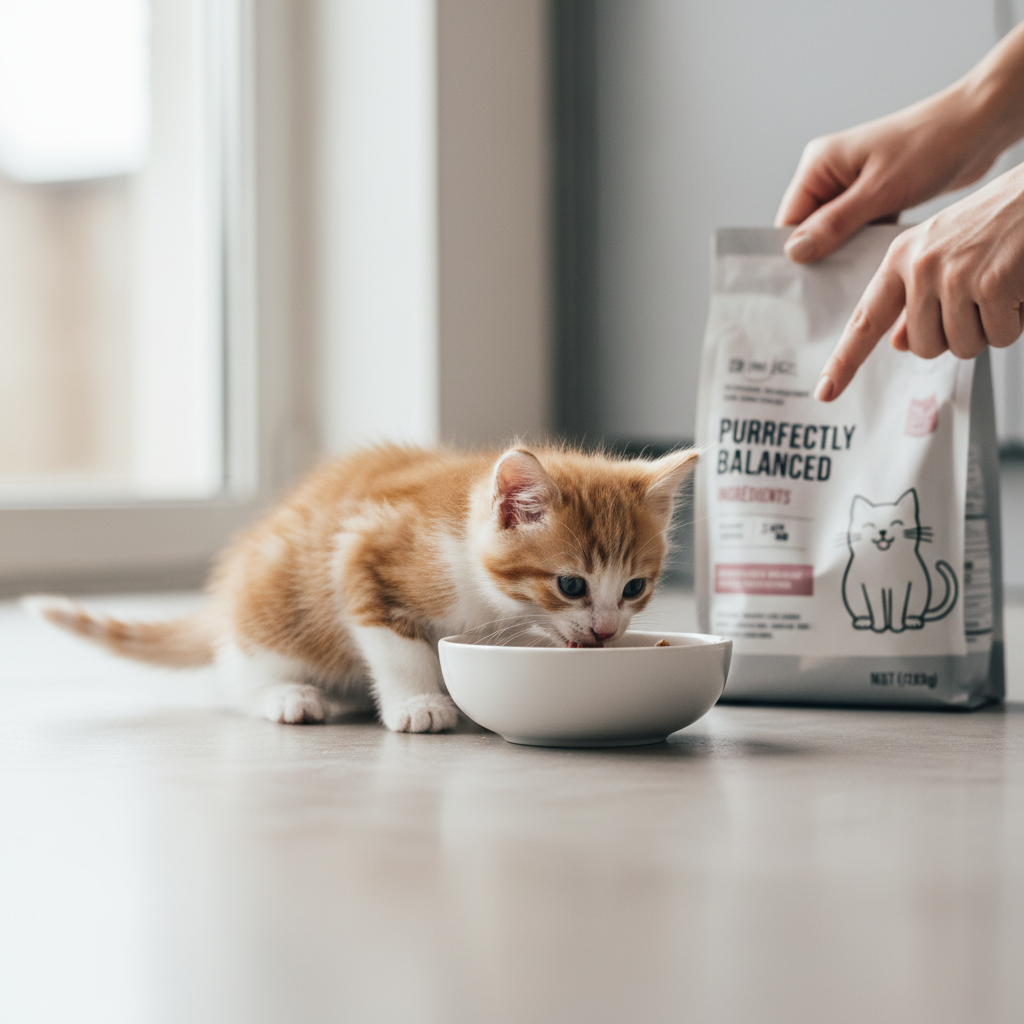
This guide focuses on what actually matters in 2026: how to spot a real kitten formula, what nutrients deserve your attention, when wet food helps, and how to switch without upsetting a tiny stomach. I’ll also flag common label traps, and when it’s worth asking your veterinarian for a more tailored plan.
What “kitten food” should do (and what adult food can’t)
Kittens are building bone, muscle, brain tissue, and immune defenses fast, so their food needs higher energy density and the right amino acid and fatty acid profile. Adult maintenance formulas can be “complete and balanced” for adults and still fall short for growth.
According to AAFCO, pet foods can be formulated for different life stages, and a growth or “all life stages” claim indicates the food is intended to meet nutrient profiles for growing animals. That statement matters more than buzzwords like “premium” or “holistic.”
- Growth support: higher calories per cup/can so your kitten can eat enough without huge volume.
- Protein quality: animal-based proteins that deliver essential amino acids such as taurine.
- Brain and vision: DHA often helps support early development, especially in the first year.
- Digestive tolerance: small stomachs do better with consistent formulas and gradual transitions.
Quick label checklist: how to pick the best cat food for kittens
When you’re scanning options, you can save time by checking four spots on the package or product page. This is where the “best cat food for kittens” shortlist usually becomes obvious.
- Life-stage statement: look for “for growth” or “all life stages” in the nutritional adequacy statement.
- Named animal proteins: chicken, turkey, salmon, beef, not vague “meat” as the primary driver.
- Feeding trial vs. formulated: if it says it passed feeding tests, that can be reassuring, though formulated diets can also be solid.
- Calorie info: kcal per cup (dry) or per can/pouch (wet) so you can actually dose it.
- Company transparency: clear contact info, sourcing/testing notes, and a way to ask questions.
One more practical tip: if a label leans heavily on ingredients you can “pronounce” but is vague on the adequacy statement, treat it as marketing until proven otherwise.
Wet vs. dry vs. combo: what usually works best for kittens
Most households end up on a combo plan because it’s realistic and kittens benefit from both texture exposure and hydration support. Wet food can also make it easier to get enough calories into picky kittens, while dry food is convenient for frequent small meals.
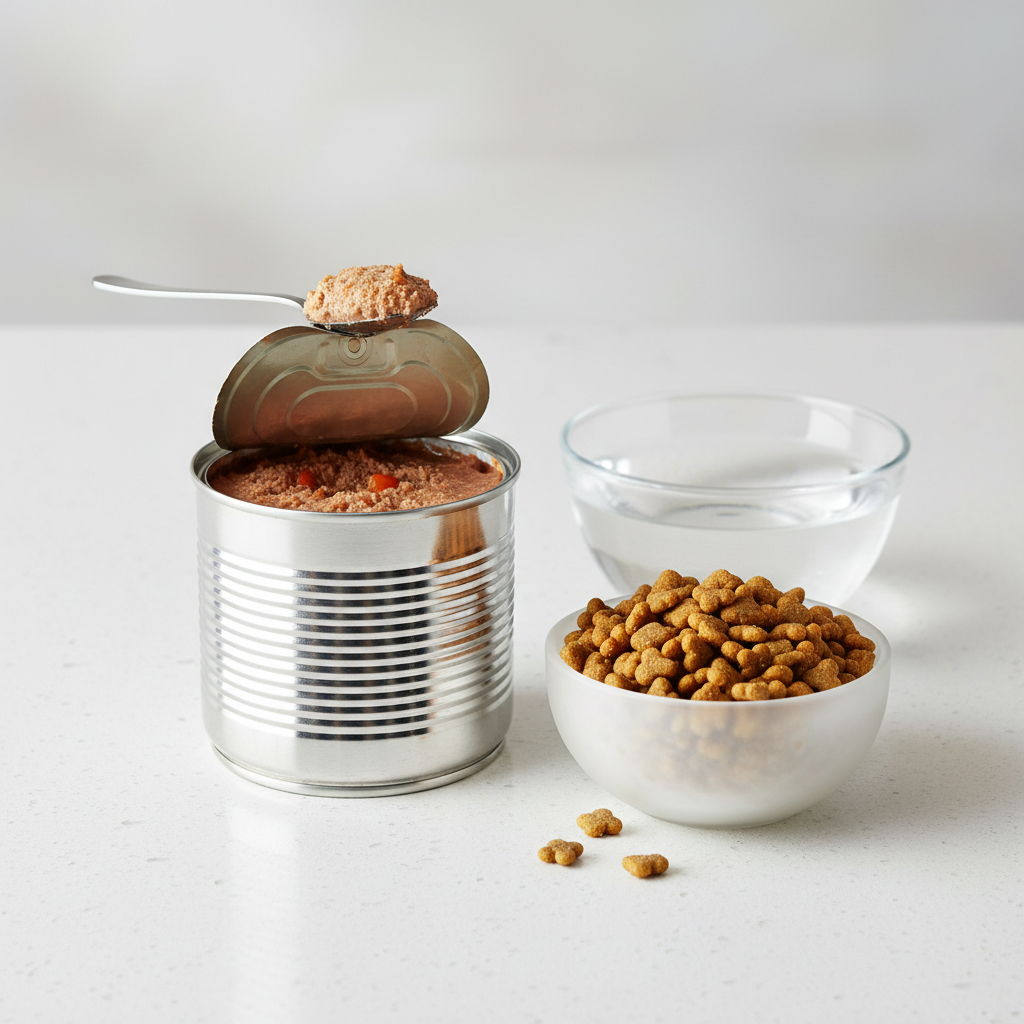
Here’s a simple way to choose without overthinking it.
- Mostly wet: often helpful for kittens that don’t drink much, have mild constipation, or need extra palatability.
- Mostly dry: can work if your kitten drinks well and you’re consistent with portions, but watch weight gain and stool quality.
- Combo: wet in the morning/evening, small dry meals mid-day, tends to balance hydration, budget, and appetite.
Dental claims come up a lot here, but for kittens, the bigger win is steady growth and a calm GI tract. If you’re worried about teeth, your veterinarian can suggest timing and options as adult teeth come in.
Nutrients that matter most in 2026 (without chasing fads)
Ingredient lists can be noisy, so focus on nutrient outcomes and quality control. In many cases, a well-made “boring” formula beats a trendy recipe that your kitten can’t tolerate.
- Animal protein and taurine: cats need taurine in the diet, and protein should come primarily from animal sources.
- Fat and DHA: supports energy needs and early development, especially for brain/eyes.
- Calcium/phosphorus balance: important for skeletal growth, avoid experimenting with homemade ratios unless supervised.
- Fiber strategy: small amounts can help stool quality, too much can reduce calorie density.
- Sodium and minerals: kittens need balanced minerals, mega-dosing “supplements” can backfire.
According to WSAVA (World Small Animal Veterinary Association), evaluating the manufacturer and its quality control practices is an important part of choosing a pet food, beyond the front-of-bag claims. That’s a useful north star when you’re comparing brands that look identical online.
Best cat food for kittens by scenario: a practical decision table
Instead of naming a single winner, it’s more honest to match food type to your kitten’s situation. Use this table to narrow options, then pick one formula and stay consistent long enough to judge it.
| Scenario | What to look for | What to avoid |
|---|---|---|
| Picky eater | Wet kitten formula, strong aroma proteins (chicken/turkey/fish), smaller cans/pouches for freshness | Frequent flavor hopping every day, free-feeding big bowls that go stale |
| Soft stool or gassy | Single primary protein, fewer recipe changes, gradual transition, moderate fat | Switching brands fast, high-fat “rich” foods without transition |
| Very active, seems hungry | Higher kcal per serving, growth statement, measured portions split into more meals | Guessing portions, relying on treats to “top up” |
| Low water intake | More wet food, add water to wet, multiple water stations | Only dry plus one water bowl in a corner |
| Multi-cat home | Portion control, microchip feeder if needed, kitten-specific meals protected from adults | All-life-stages food for everyone without monitoring weight |
Feeding routine and transition steps (this is where most problems start)
Even if you pick the best cat food for kittens on paper, a rushed change can trigger vomiting or diarrhea. Small bodies don’t love surprises.
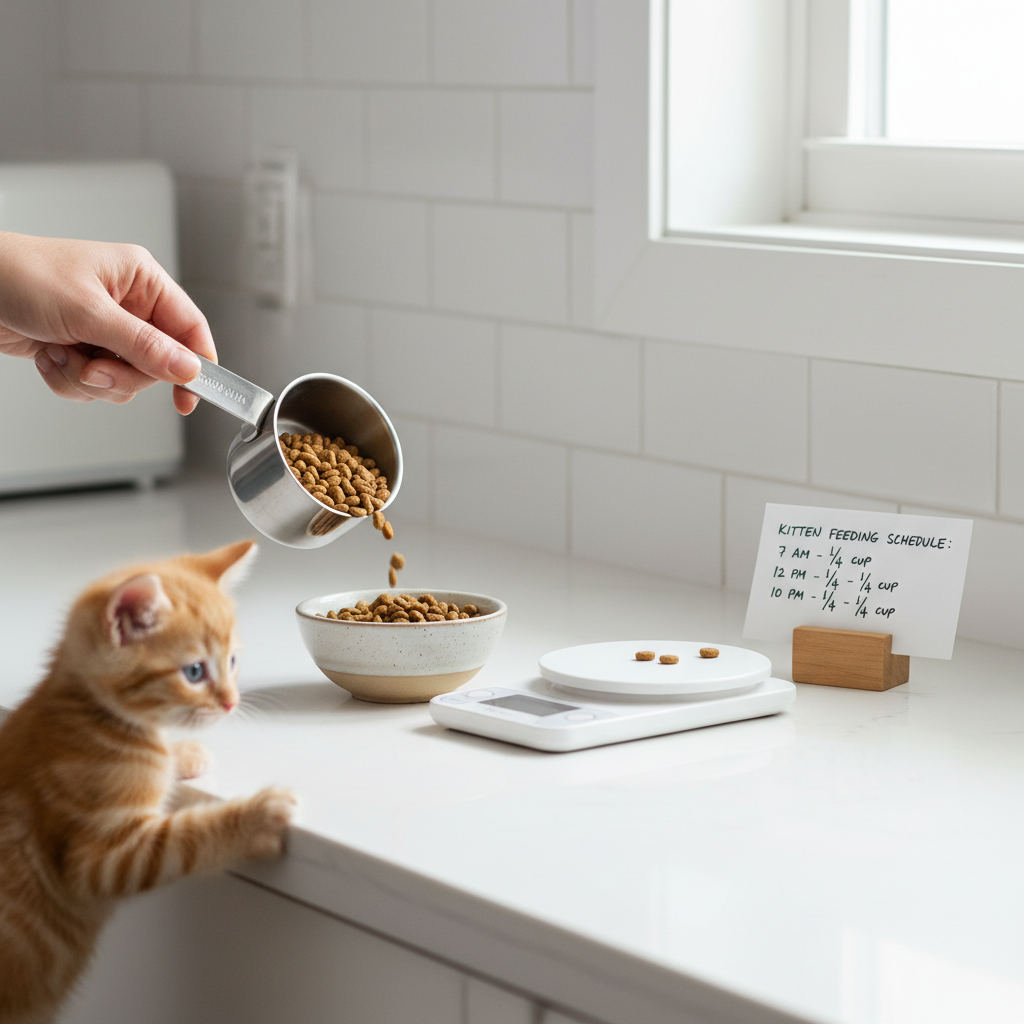
Transition plan (typical 7–10 days):
- Days 1–3: 75% old food, 25% new food
- Days 4–6: 50/50 mix
- Days 7–9: 25% old, 75% new
- Day 10: 100% new food
If stool goes soft, pause at the current ratio for a couple days, or step back one phase. If symptoms are more than mild or you see blood, call your veterinarian.
Portioning that stays sane: start with the package feeding guide, then adjust based on body condition and weekly weigh-ins. Many kittens do well with 3–4 meals per day early on, then gradually consolidate as they age and your vet agrees.
Common mistakes that quietly derail kitten nutrition
These come up a lot in real homes, especially with first-time cat parents.
- Choosing by ingredient list alone: it’s easy to miss the life-stage adequacy statement and calorie density.
- Overdoing treats: treats can crowd out balanced nutrition, keep them modest and consistent.
- Switching too frequently: many “allergies” are really just rapid changes or rich foods.
- Homemade without formulation: kittens need precise mineral balance, DIY recipes can create gaps if not formulated by a professional.
- Ignoring water: hydration habits start early, multiple bowls or a fountain often helps.
According to FDA, pet food recalls can happen for contamination or labeling issues, so it’s smart to register for brand alerts and keep receipts/lot codes when trying a new diet.
When to ask your veterinarian (or a nutrition pro) for help
Most kittens thrive on a standard growth formula, but some situations deserve a faster check-in. If any of these are happening, don’t “test” foods for weeks hoping it resolves on its own.
- Vomiting more than occasionally, or vomiting plus lethargy
- Diarrhea lasting more than 24–48 hours, or any blood in stool
- Poor weight gain, pot-bellied look, or suspected parasites
- Refusing food for a full day, especially in very young kittens
- Known medical issues, foster kittens, or very small runts
If you’re considering a homemade or raw approach, it’s worth asking for a veterinary nutritionist referral, kittens have less margin for error than adult cats.
Key takeaways and a simple next step
Key points: prioritize a clear growth statement, choose a form your kitten eats consistently, and switch slowly. Most feeding “mysteries” get clearer when you track calories, stool quality, and weekly weight instead of changing products every few days.
Pick one kitten formula that meets the label checklist, buy a small size first, and run a calm 7–10 day transition while measuring portions. If your kitten’s digestion stays steady for two weeks, you’re probably very close to the right fit.
FAQ
- How do I know a food is actually formulated for kittens?
Check the nutritional adequacy statement for “growth” or “all life stages.” If it only says “adult maintenance,” it’s not intended as a primary diet for kittens. - Is grain-free kitten food better?
Not automatically. Some kittens do fine with grains, and the bigger issue is overall formulation quality and tolerance. If you’re considering grain-free due to symptoms, a vet check can help rule out parasites or infection first. - What’s the best cat food for kittens with sensitive stomachs?
Usually a consistent kitten formula with one main protein, moderate fat, and a slow transition. If symptoms persist, your veterinarian might suggest a specific GI diet. - Should kittens eat wet food every day?
Many do well with some wet food for hydration and palatability, but it’s not mandatory for every kitten. The “best” plan is the one you can portion reliably and your kitten tolerates. - How many times a day should I feed my kitten?
Commonly 3–4 small meals for young kittens, then fewer meals as they grow. Activity level, body condition, and your schedule matter, your vet can help fine-tune. - Can I feed “all life stages” food instead of kitten food?
Often yes, as long as it’s truly complete and balanced for growth and you portion appropriately. In multi-cat homes, it can simplify feeding, but watch adult cat weight. - When can I switch from kitten food to adult cat food?
Many cats transition around 12 months, but larger breeds or unique growth patterns may differ. Your veterinarian can confirm timing based on body condition and development.
If you’re trying to choose the best cat food for kittens without buying five bags you won’t use, it can help to share your kitten’s age, current food, stool quality, and whether you prefer wet, dry, or combo, then narrow to two realistic options and commit to a careful transition.