
Best catnip toys for cats usually come down to two things: the right toy style for your cat’s play personality, and catnip quality that stays fresh long enough to matter.
If you’ve bought catnip toys that get one sniff then vanish under the couch forever, you’re not alone. A lot of products are fine, but mismatched for how your cat likes to hunt, bunny-kick, or “carry-prance” around the house.
This guide helps you choose by behavior, not hype: what to look for in materials and fill, which formats tend to last longer, how to rotate toys so they stay exciting, and what safety checks actually matter.
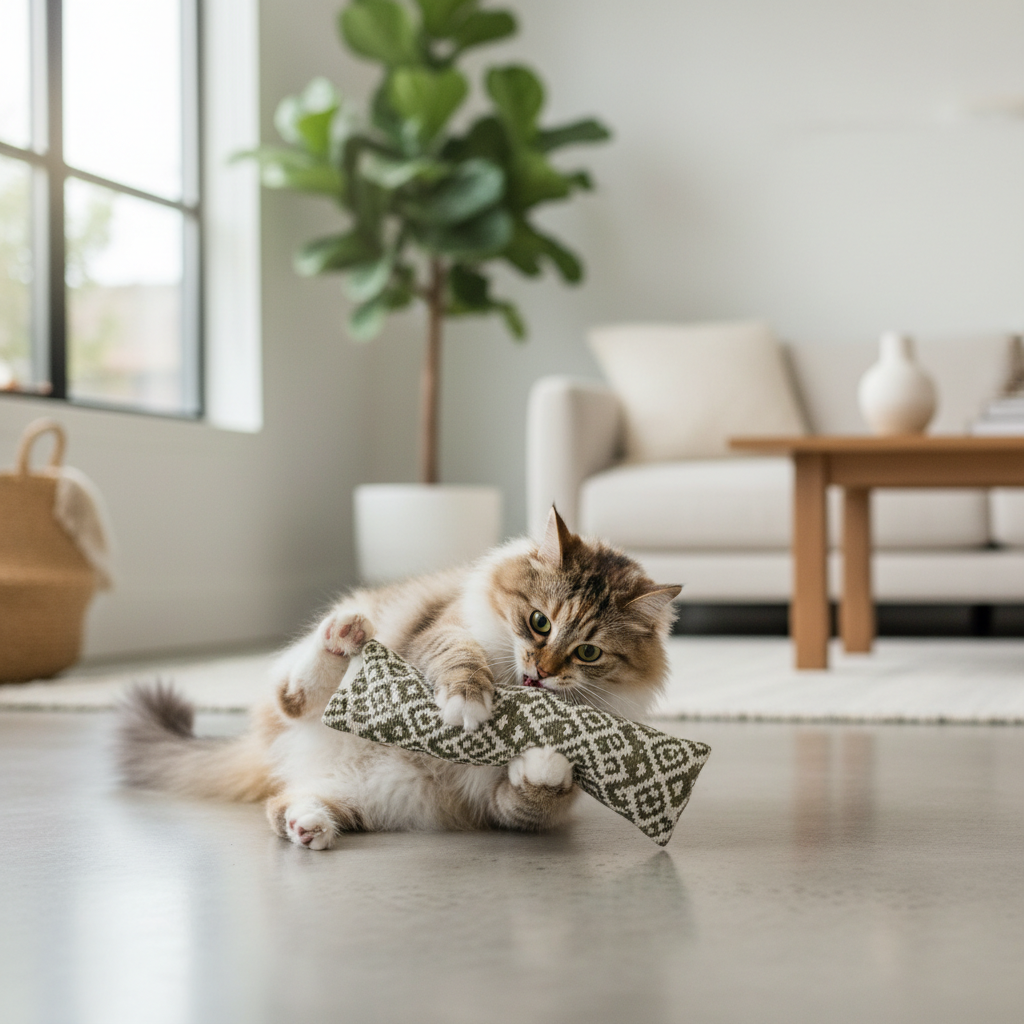
Quick pick: matching catnip toy types to your cat
Before you compare brands, match the format to what your cat already does with non-catnip toys. That alone improves hit rate.
| Toy type | Best for | Why it works | Watch-outs |
|---|---|---|---|
| Kicker (long plush) | Wrestlers, bunny-kickers | Grabs with front paws, kicks with back legs | Seams, loose threads |
| Small mouse/ball | Carriers, fetch-ish cats | Easy to pick up, toss, stash | Too small for aggressive chewers |
| Crinkle + catnip | Sound-motivated hunters | Noise adds “prey feedback” | Thin film can tear on rough play |
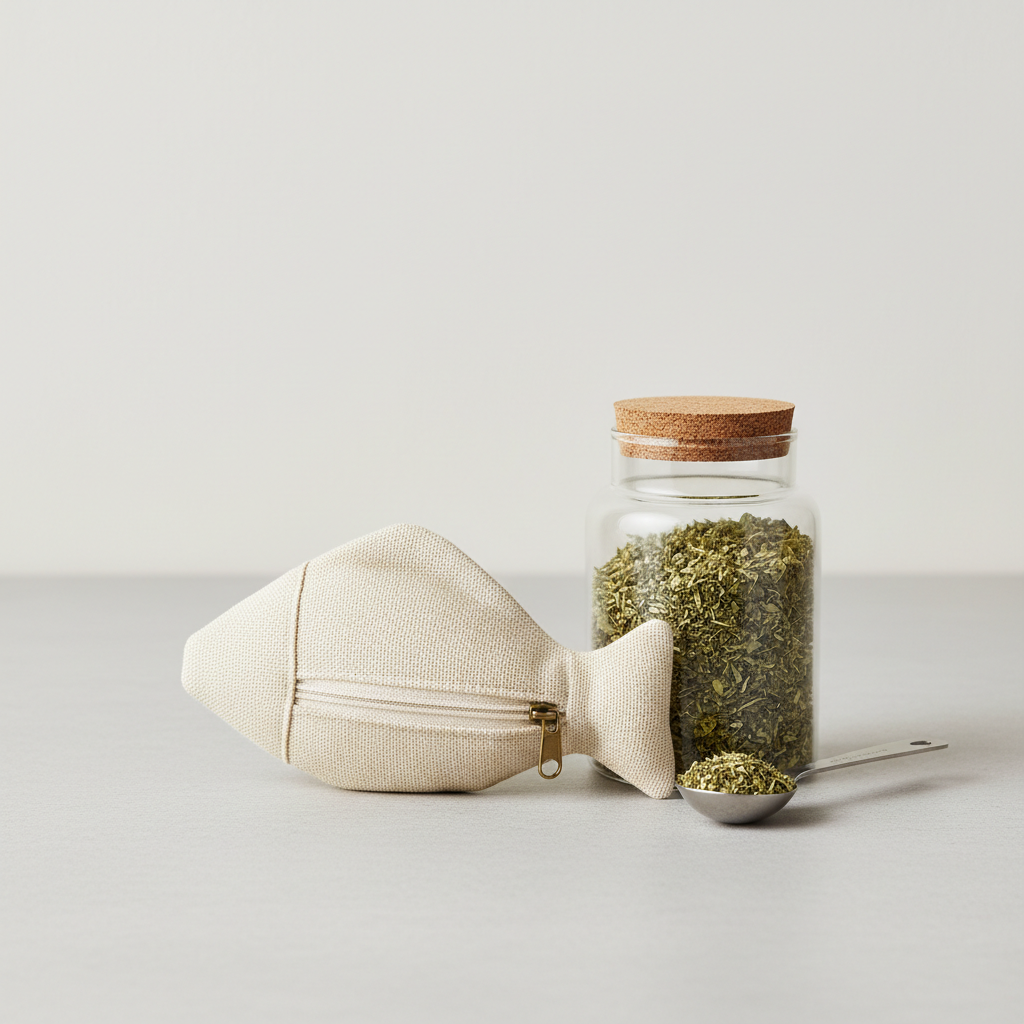
| Refillable pouch | Households that rotate toys | Refresh scent without buying new toys | Zipper/Velcro quality matters |
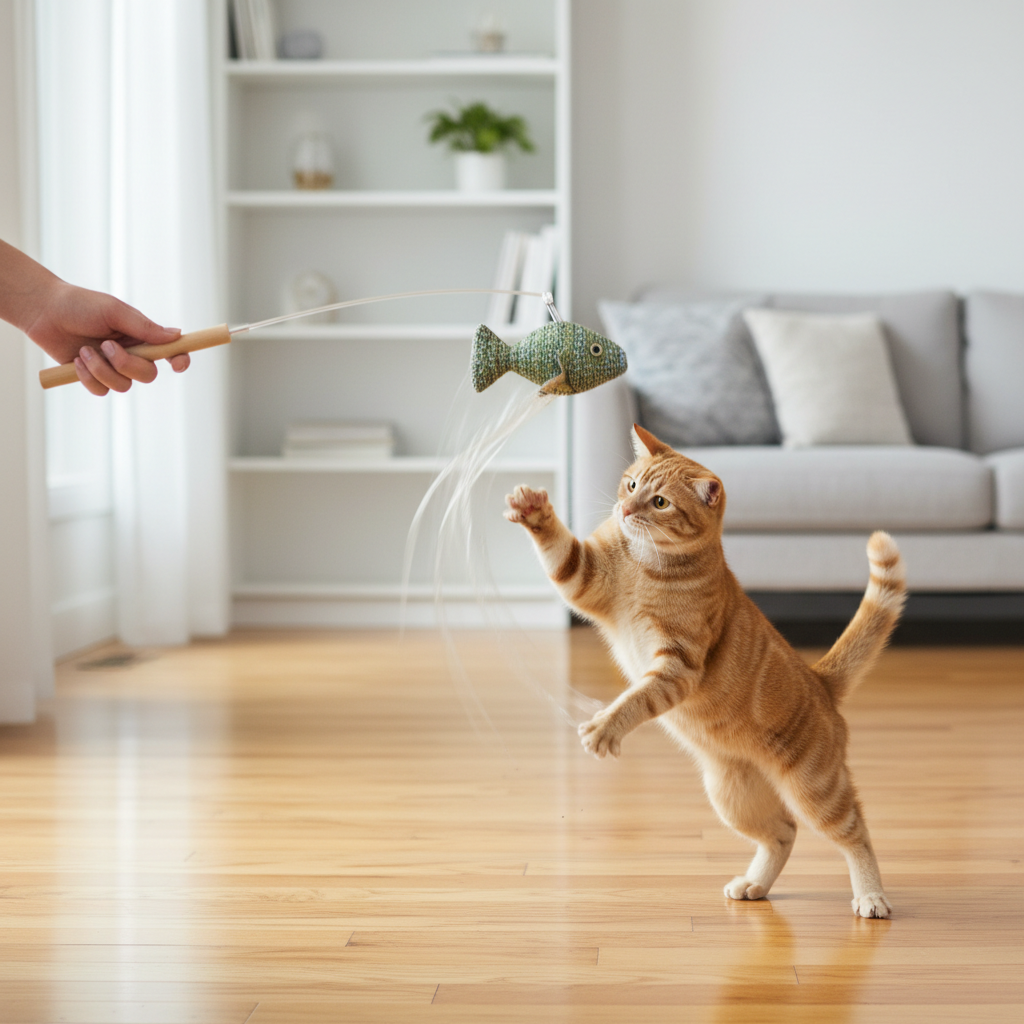
| Catnip wand attachment | Interactive play cats | You control movement and pace | Supervise to prevent string chewing |
What “good catnip” actually means (and why some toys flop)
Catnip is an herb (Nepeta cataria). The compound many cats respond to is called nepetalactone, and it fades with time, air, heat, and light. So a toy can be cute and still underperform if the catnip is old or sealed poorly.
According to the ASPCA, catnip is generally considered safe for cats in small amounts, but some cats can get overstimulated or mildly upset stomachs if they eat a lot of it, so moderation and supervision are smart.
What tends to matter in real life:
- Freshness: toys in airtight packaging often arrive “stronger” than open-bin products.
- Fill style: a dense catnip core usually lasts longer than a sprinkle mixed into polyfill.
- Cut: leaf and flower pieces often smell stronger than mostly-stem blends.
- Barrier fabric: if fabric is too thick, your cat can’t smell much; too thin, it rips fast.
How to tell if your cat will even respond to catnip
Not every cat cares. Many kittens don’t react much until they’re older, and some adults just aren’t wired for it. If you’re trying to choose the best catnip toys for cats in a multi-cat home, you might see one cat lose its mind while another walks away.
Fast self-check (5 minutes)
- Offer a pinch of loose catnip on a towel, not inside a toy, so scent isn’t “blocked.”
- Watch for rolling, cheek rubbing, drooling, zoomies, or pouncing.
- If there’s no reaction, try again on a different day, then consider silver vine alternatives.
Key point: a “no response” cat may still enjoy the toy for shape, crinkle, or bounce, just not the herb itself.
Buying checklist: what to look for before you click “add to cart”
This is where you avoid most disappointments. The best products tend to be boring about the basics: good stitching, safe materials, and a shape that fits your cat’s play style.
- Seams you can’t easily pull apart: if you can separate stitches with your fingers, your cat can too.
- No easy-to-eat parts: glued eyes, tiny bells, or brittle plastic can become chew hazards.
- Size match: kickers should be long enough to grab; mice should be big enough not to be swallowed.
- Refillable options (nice-to-have): better longevity, especially for picky cats.
- Washability plan: many catnip toys aren’t truly washable; plan on surface cleaning and replacing.
When you’re comparing listings, don’t get hypnotized by “extra strong.” In practice, freshness + seal + toy shape matters more than marketing adjectives.
Best catnip toys for cats 2026: category winners (practical picks)
Rather than pretend there’s one perfect toy for every cat, it’s more useful to pick a winner per scenario. These are the categories that tend to cover most U.S. households.
1) Best for bunny-kicking: catnip kicker
Choose a longer plush body with reinforced seams and a slightly textured fabric (canvas or heavy cotton blends often hold up). If your cat “bears down” with claws, skip delicate faux fur.
- Look for: length 9–13 inches, dense fill, double stitching.
- Good sign: catnip is listed as a main fill, not an afterthought.
2) Best for fetchy cats: soft catnip mice or balls
Some cats like to carry toys around while yowling like they caught something important. Soft mice and felt-ish balls work well here, and they’re easy to rotate.
- Look for: lightweight, simple shape, minimal dangly parts.
- Avoid: feathers that shed quickly if your cat chews.
3) Best longevity: refillable catnip toys
If you’re tired of buying new toys every month, refillable designs are the most “adult” solution. You can refresh scent, then seal the toy back up and store extras in a jar.
- Look for: durable zipper or strong Velcro flap, inner pouch, thick enough fabric to survive claws.
- Pro tip: keep refill catnip in an airtight container in a cool, dark spot.
4) Best for interactive play: wand + catnip attachment
This one works when your cat gets bored fast, or when you’re building routine play before meals. The movement sells the “hunt,” catnip is a bonus.
- Look for: a detachable attachment you can replace, and a sturdy line that resists fraying.
- Safety note: wand toys should be put away after play to reduce string chewing risk.
Make catnip toys work better: simple rotation and “reset” routine
Even the best catnip toys for cats can go stale if they sit out 24/7. Rotation keeps novelty high, and it’s cheaper than buying more.
A routine that’s easy to stick with
- Leave out 2–4 toys max, store the rest in a sealed bag or container.
- Swap toys every 3–7 days, depending on how fast your cat loses interest.
- Use catnip toys after a nap or before meals, when many cats feel more “hunt-ready.”
If your cat overreacts, gets nippy, or seems stressed, dial it back. Catnip excitement is usually brief, but individual tolerance varies, and if you’re unsure, a vet can help you judge what’s appropriate.
Safety notes and common mistakes (the stuff that saves you money)
Cat toys are “low stakes” until they aren’t. A few small checks reduce risk a lot.
- Mistake: buying tiny toys for big chewers. If your cat shreds plush, go larger and sturdier, or supervise.
- Mistake: leaving wand toys out. Chewed string can be a problem if swallowed, so store them.
- Mistake: washing like a T-shirt. Many catnip toys lose scent fast when soaked; spot clean and replace when worn.
- Mistake: assuming “no reaction” means “bad toy”. Some cats prefer silver vine, valerian, or just a crinkle texture.
According to the FDA, pet owners should contact a veterinarian if they suspect their animal ingested something harmful or shows persistent vomiting, lethargy, or distress after chewing a toy.
Conclusion: what to buy in 2026, and what to do next
The most reliable way to pick a winner is simple: choose a toy format that matches your cat’s play style, prioritize solid construction, then use rotation so the scent stays interesting. That’s the practical route to finding the best catnip toys for cats without filling a drawer with misses.
If you want one small action today, buy (or set aside) one kicker or refillable toy, and commit to a weekly swap schedule. You’ll learn faster what your cat actually loves, and your toy budget usually stretches further.